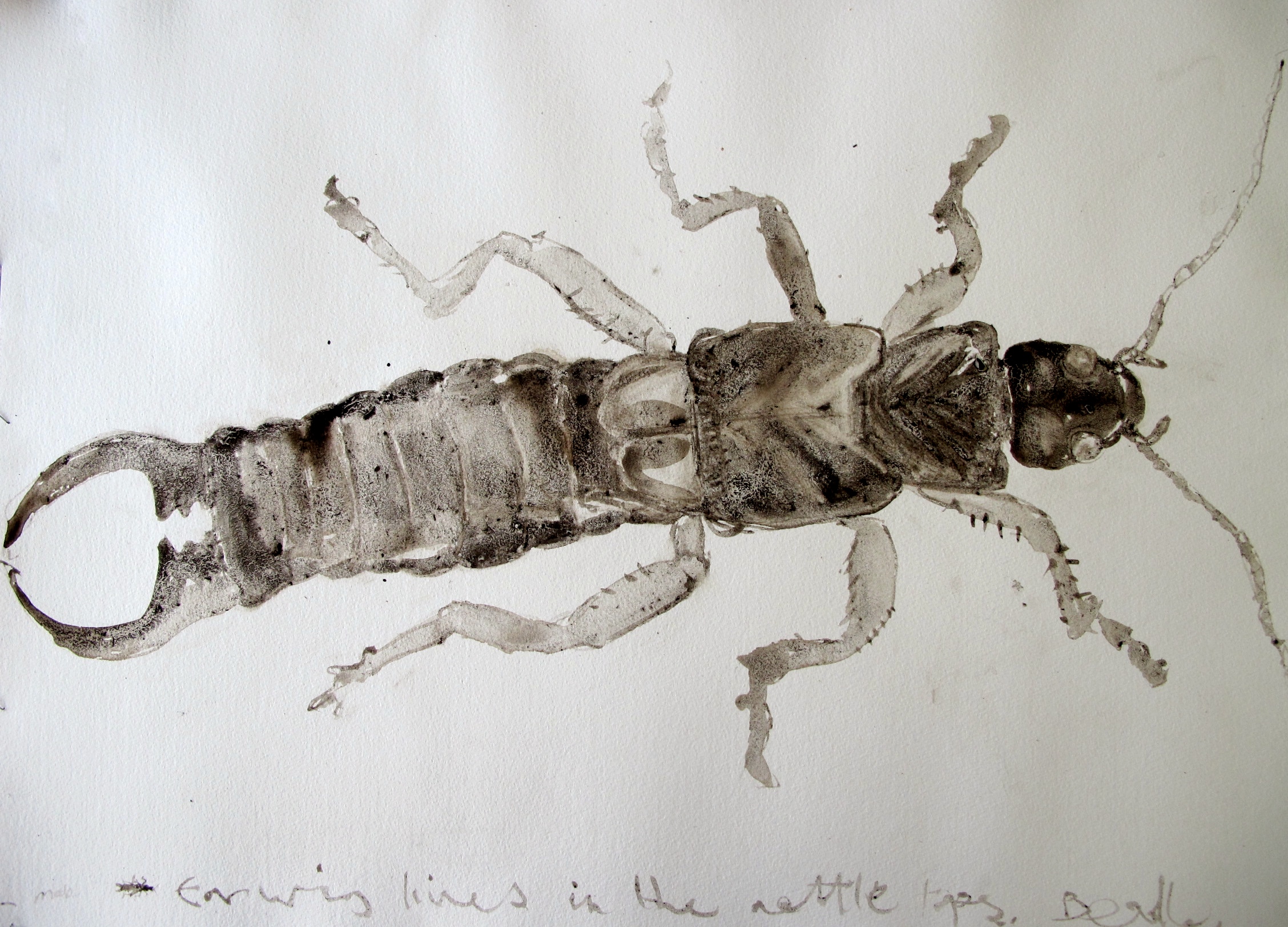
The nettle tops continue to harbour lots of different creatures, from the ladybirds already described to spiders, resting hover flies, bees and caterpillars (so far only evidenced by their eggs and eaten leaves). There are many earwigs too.


The nettle tops continue to harbour lots of different creatures, from the ladybirds already described to spiders, resting hover flies, bees and caterpillars (so far only evidenced by their eggs and eaten leaves). There are many earwigs too.
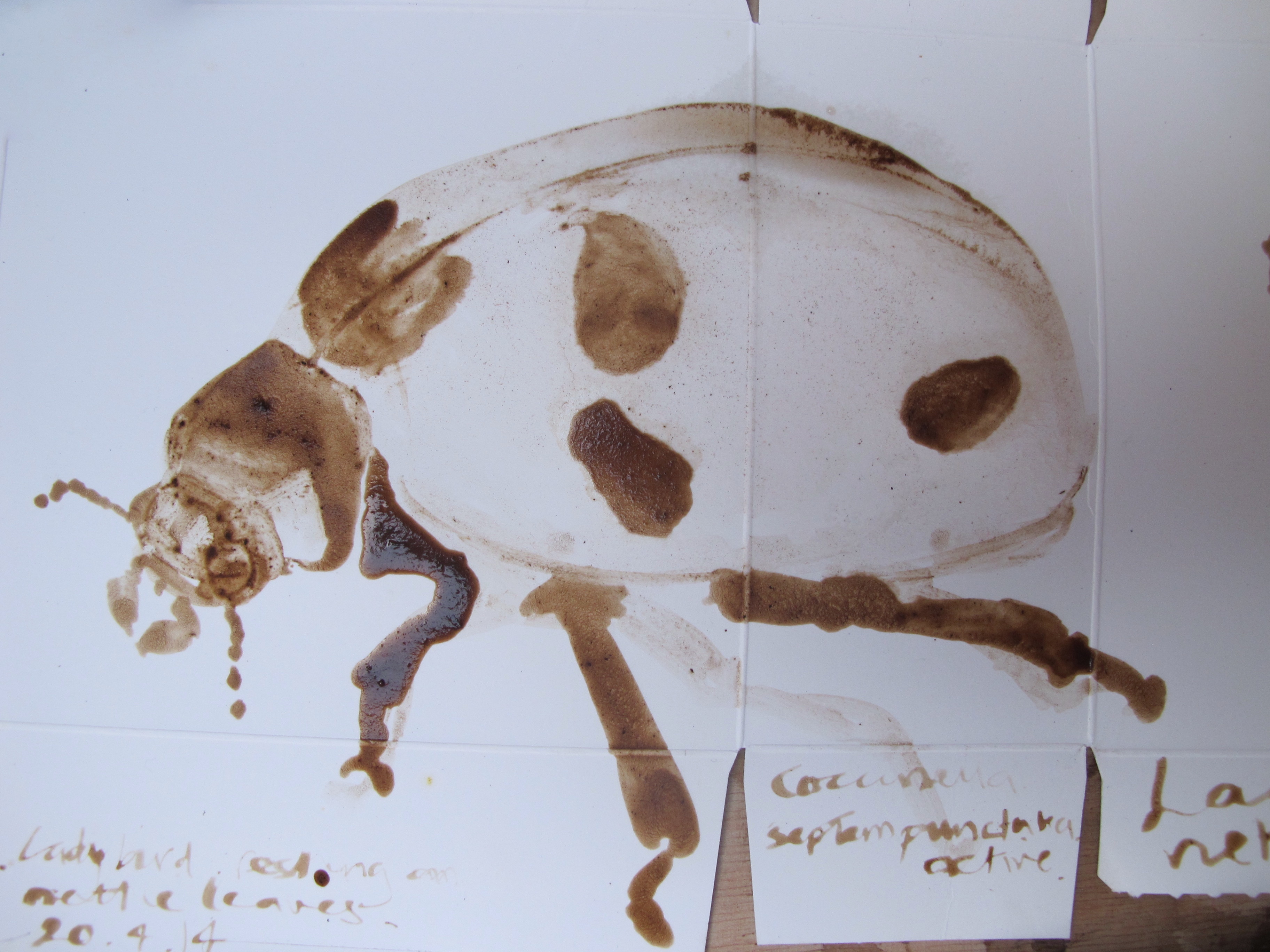

Many ladybirds were nestling in the nettle tops yesterday morning, including a pair of the scarlet and black seven spot sort.


Eight Buff Orpingtons hatched after incubation at my neighbour’s home last week and it was exciting and appropriate to record their arrival. Tiny beaks chipped rough circles about the egg tops, before tiny armlike wings began the extraordinarily hard work of levering chick from its redundant shell. Each hatchling took around twenty minutes to emerge, resting every few minutes to recover from the exhausting effort.
Soon after dawn the rising tide crept in and lifted the Egg from its muddy berth. Overhead the sky had a wet greyness that soon began to splash light rain onto the water surface and disturbed the reflected blackthorn, bare on branch. On these changing marshy margins, the birds of both land and sea began to call and sing. From the threshold of the Egg’s eastern facing door, I grasped a fleeting two minutes and forty seven seconds of the mise-en-scène.
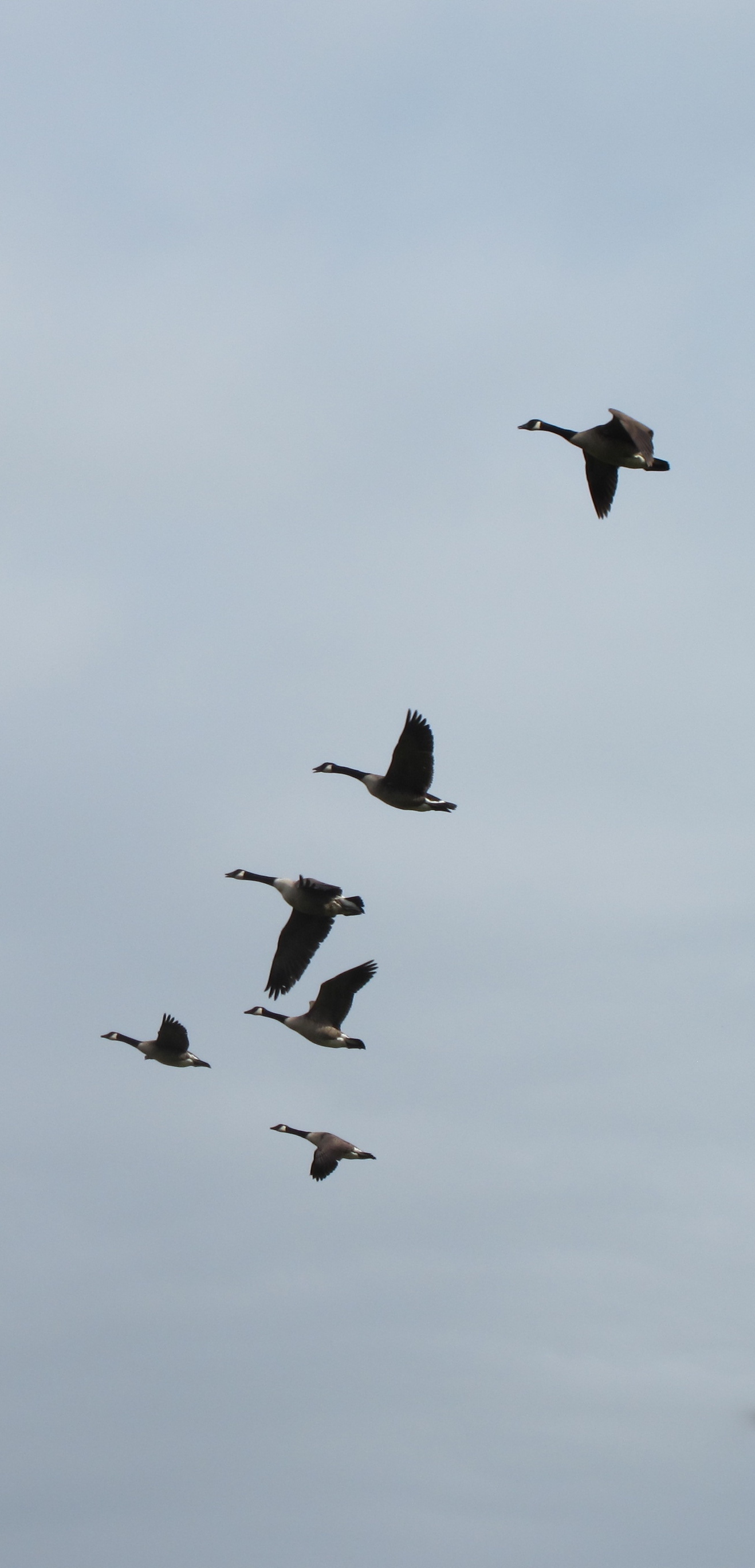
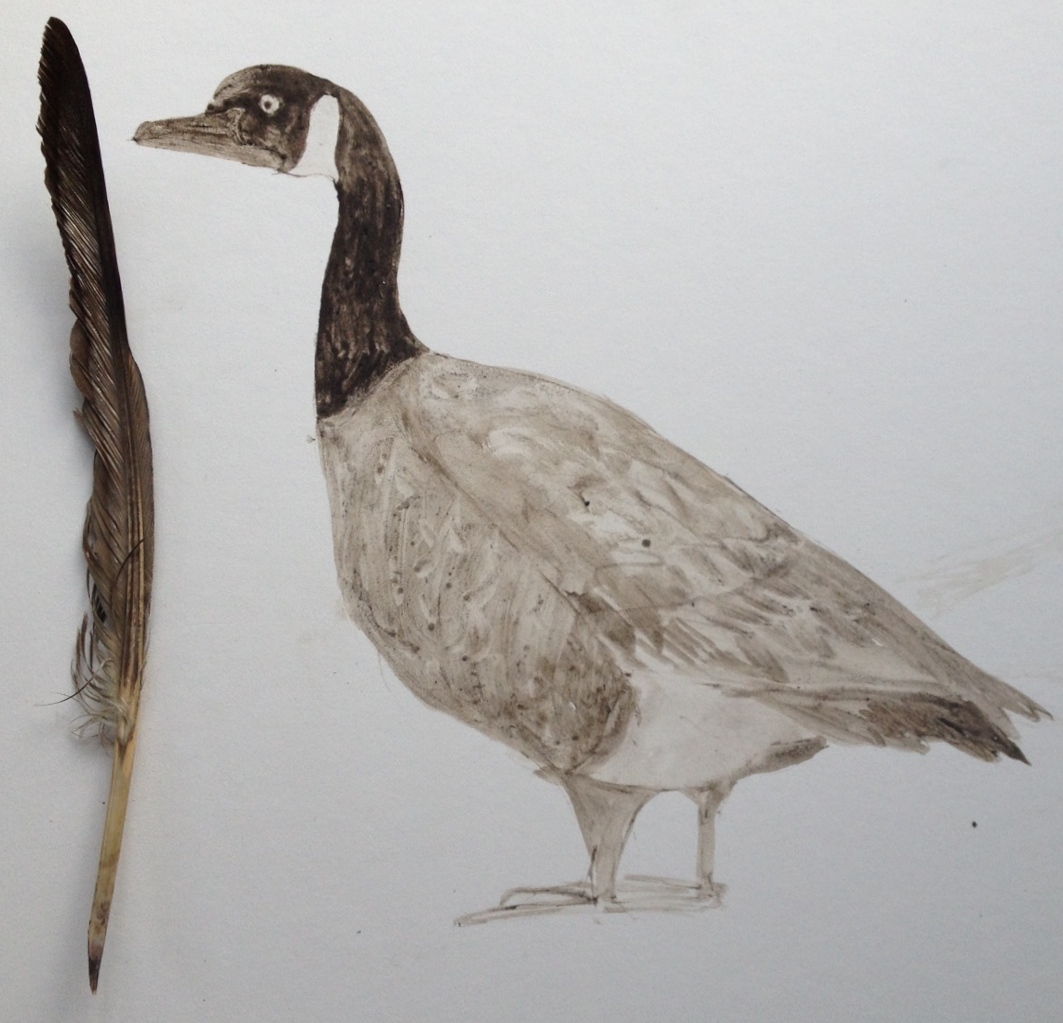
I took another gander at the local community of Canada geese today as they flew by the Egg and came to rest in the river nearby. A particular pair (and another threesome) fly right over the Egg every morning and evening but I have yet get them on film. Their feathers provide the drawing tools I can use to depict them.
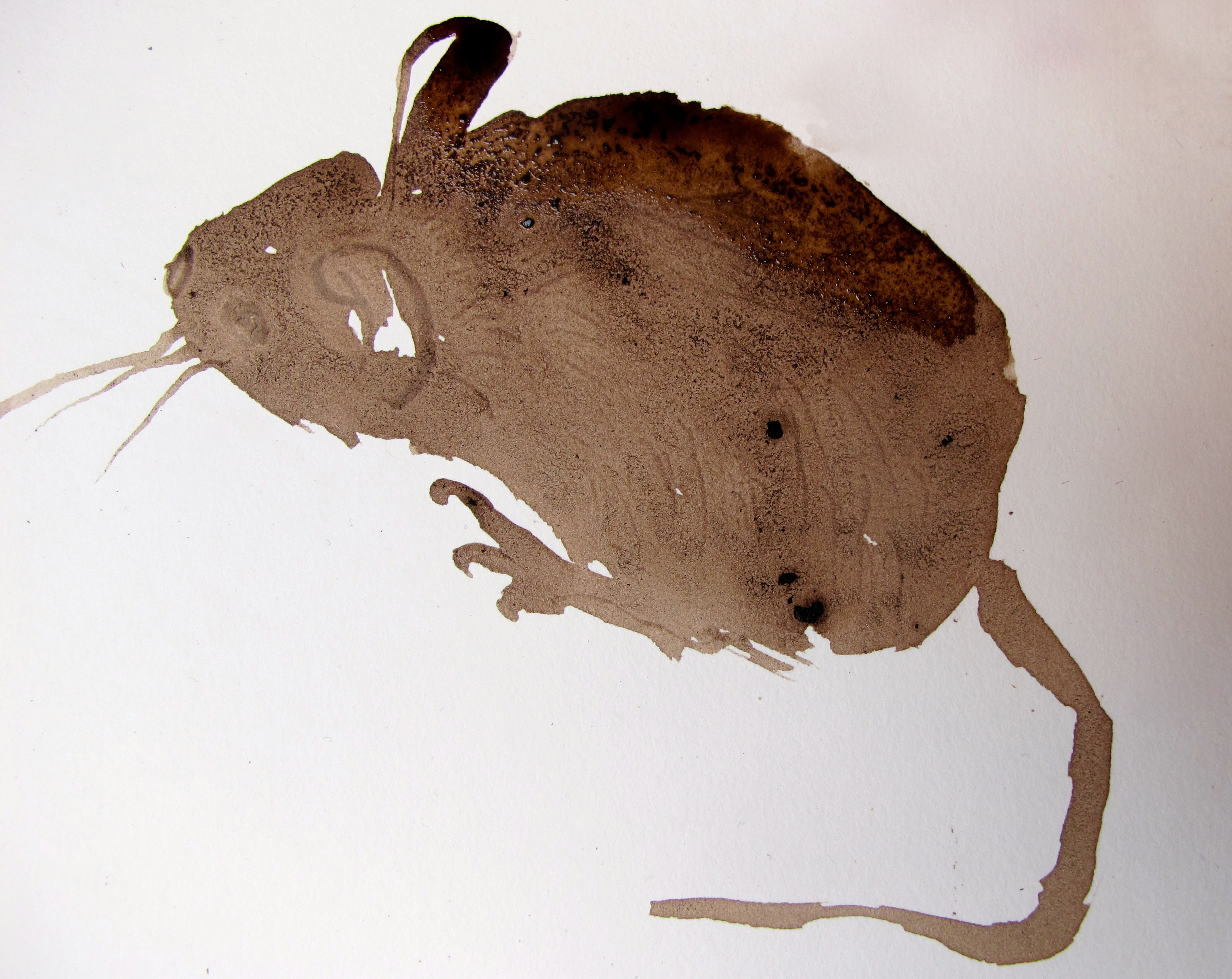
Three wood mice were in the trap at 50-47-08.83N x 1-24-27.84W on the morning of March 18th. Two were released immediately and a third is the subject of a short film. It washed itself for most of the time, which I now understand is a reaction to being afraid. It was released pretty quickly.
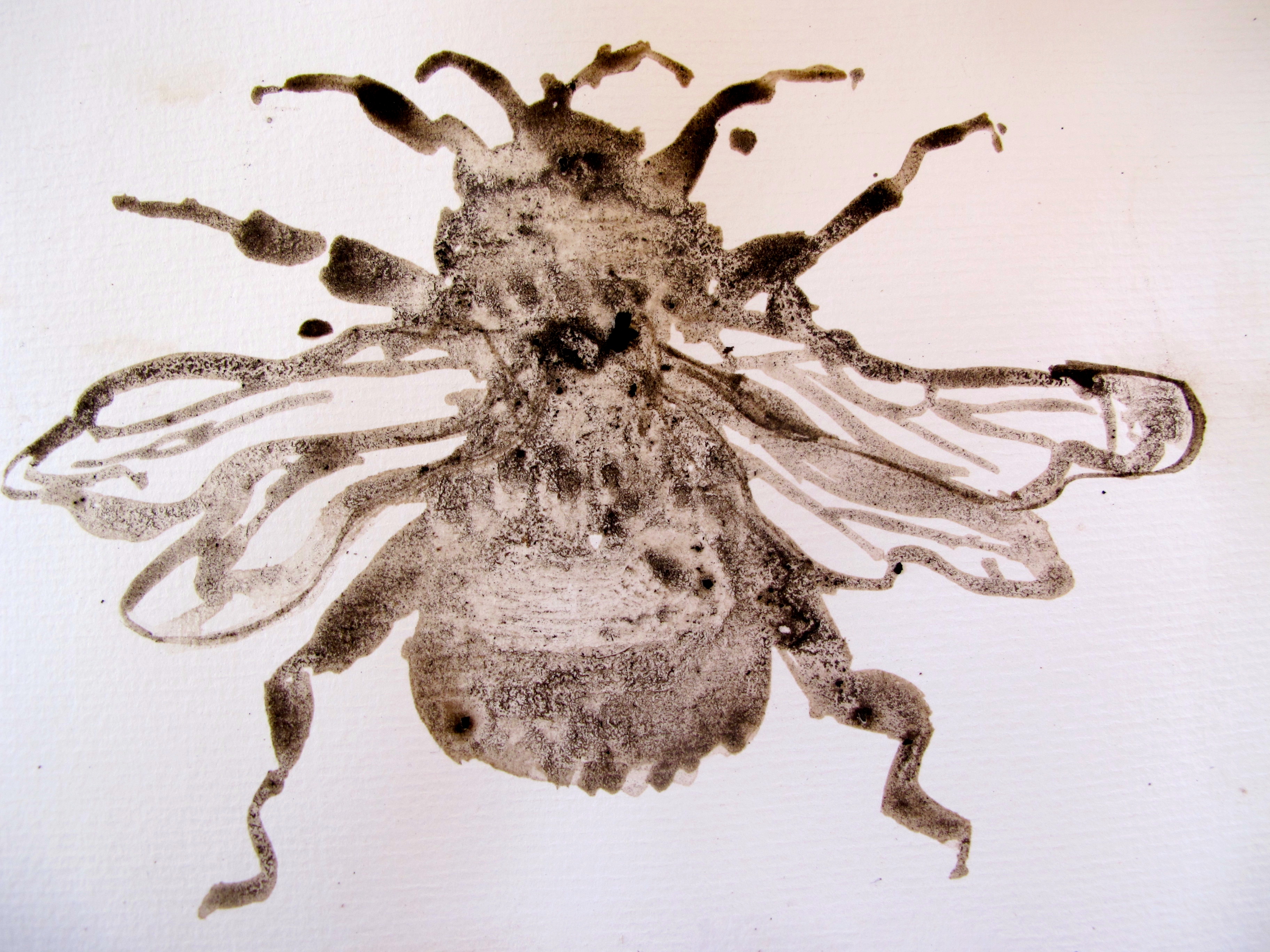
For the last three or four days bumble bees have been frequenting the marsh and fields beside the Egg. They are in and out of the mouse holes on the riverbank where they may be seeking shelter from the newly arrived colder weather, or a new home for a nest. I have found quite a few curled up dead on the ground or really lethargic and seemingly close to death. There are 25 species of bumble bee in the UK but I cannot recognise the differences. With the aid of a microscope and magnifying glass my drawings may soon start to answer this question.


There are a few great spotted woodpeckers at work in the vicinity of the Egg. They seek out suitable hollowed trees to use as sound posts to mark out their territory. My own efforts are at about half speed and a bit low in tone to pose much of a threat to the locals.
 The Exbury Egg