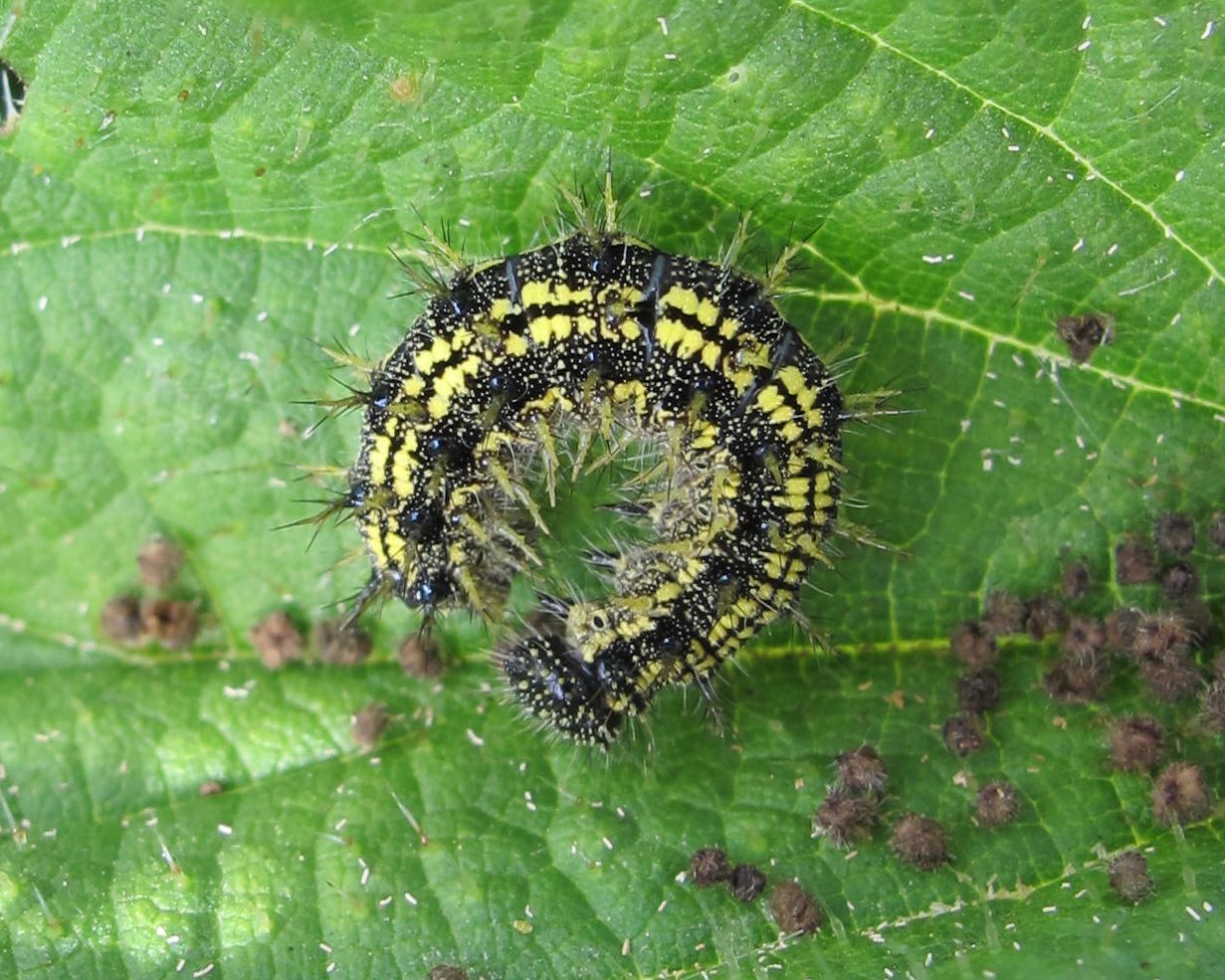
Many caterpillars of the small tortoiseshell butterfly were feasting on a nettle and leaving tracks of their own black droppings of processed green leaf. Another much smaller critter of similar colour, was only noticed when I examined the photos on screen.
Category Archives for Fauna
Tunnel Vision
Other creatures dwell around my abode in the Egg and the labyrinth spider is just one of my many parishioners. Its web inspired me to cut a new route to the Egg through bramble and blackthorn, that is both more sheltered and less disturbing to the birds. It was slow work negotiating the sharp spines of the blackthorn.
Penning a line
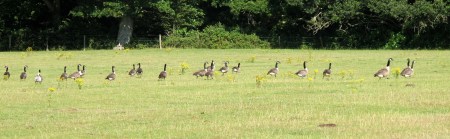
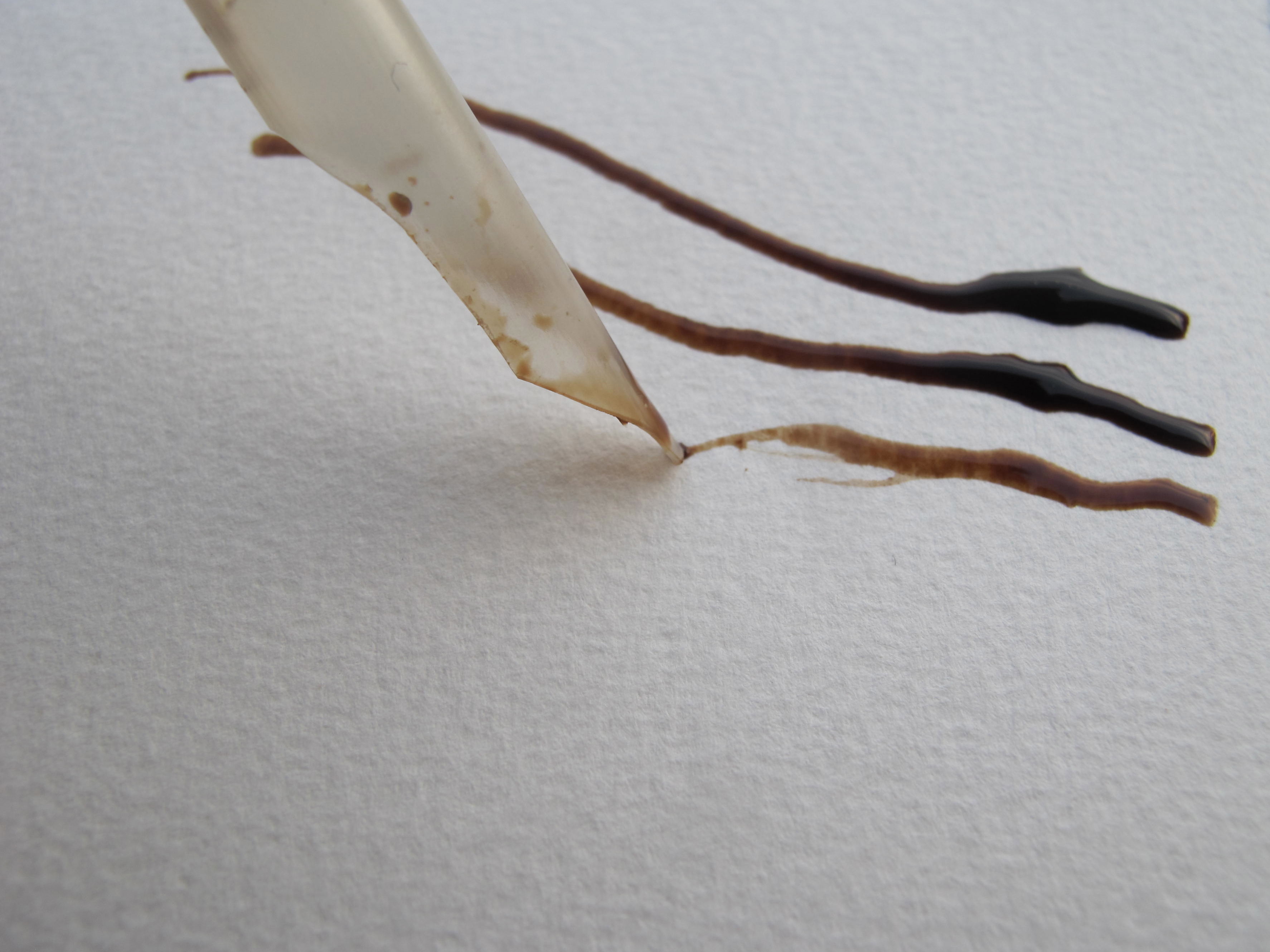
There are around seventy Canada Geese summering on the marsh and surrounding fields, and today I found a large goose feather on the foreshore which I made into a pen by shaping the hollow end with a sharp knife. Goose feathers were the scribes weapon of choice until the advent of steel nibs in the nineteenth century. Whilst penning these brief notes on a mac book pro, this writer still likes the feel of scratching over the surface of real paper and using an ink made in the traditional way from the surrounding Oaks. Whilst enjoying the best of the new, I would hate to forget, or lose, what endures in the traditional.
Egg Cases

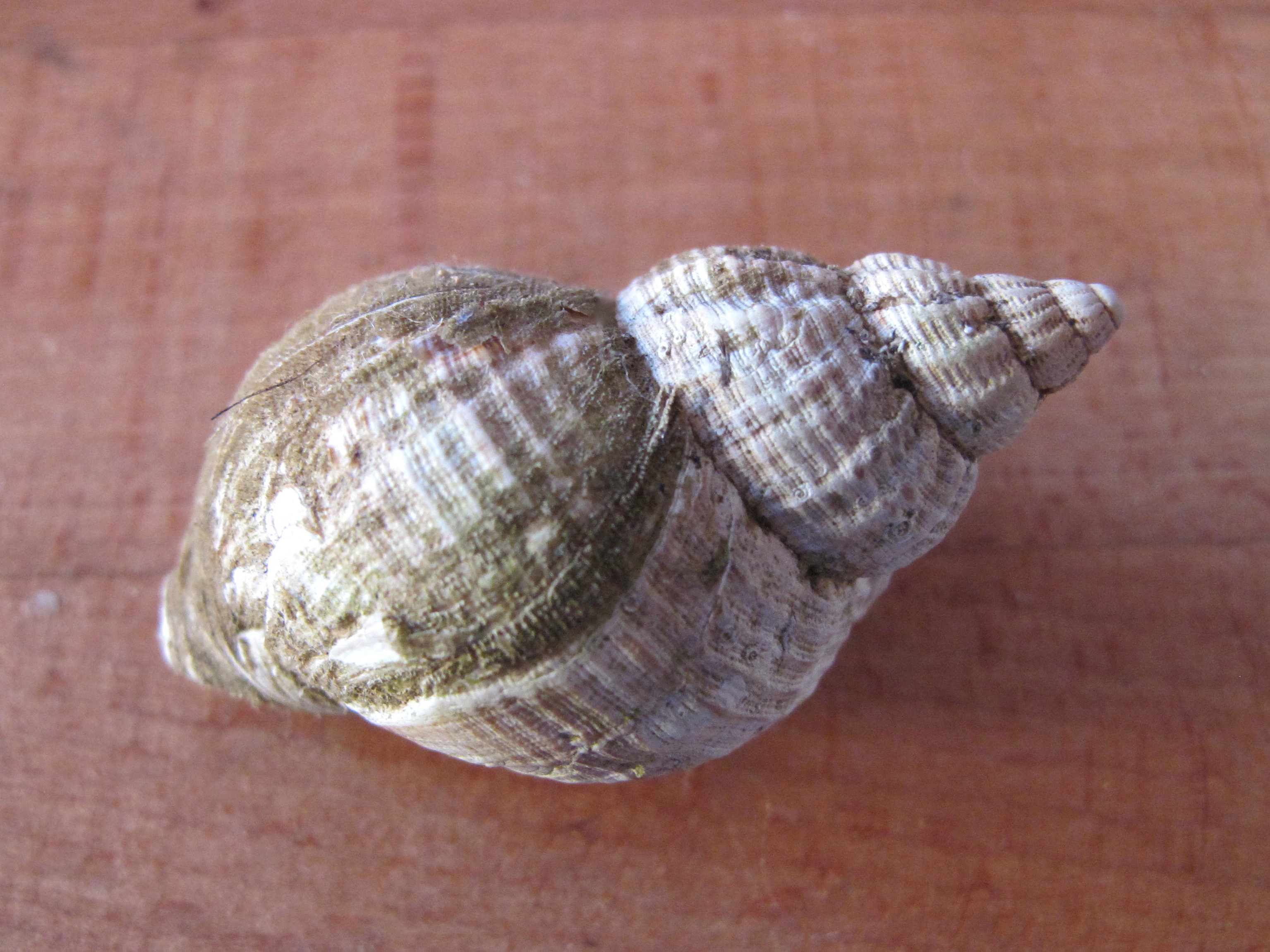
Empty egg cases of the common whelk are fairly frequent spongy finds amongst the detritus of the tide line beside my own Egg. The adult whelk is less evident, though I found the shell of the five year old below (if every spiral marks a year), not far from the type of sac it would have spawned from. Both are now part of a growing collection inside the Egg that helps to relate the life and times of my riverine parish.
Mere Carapace
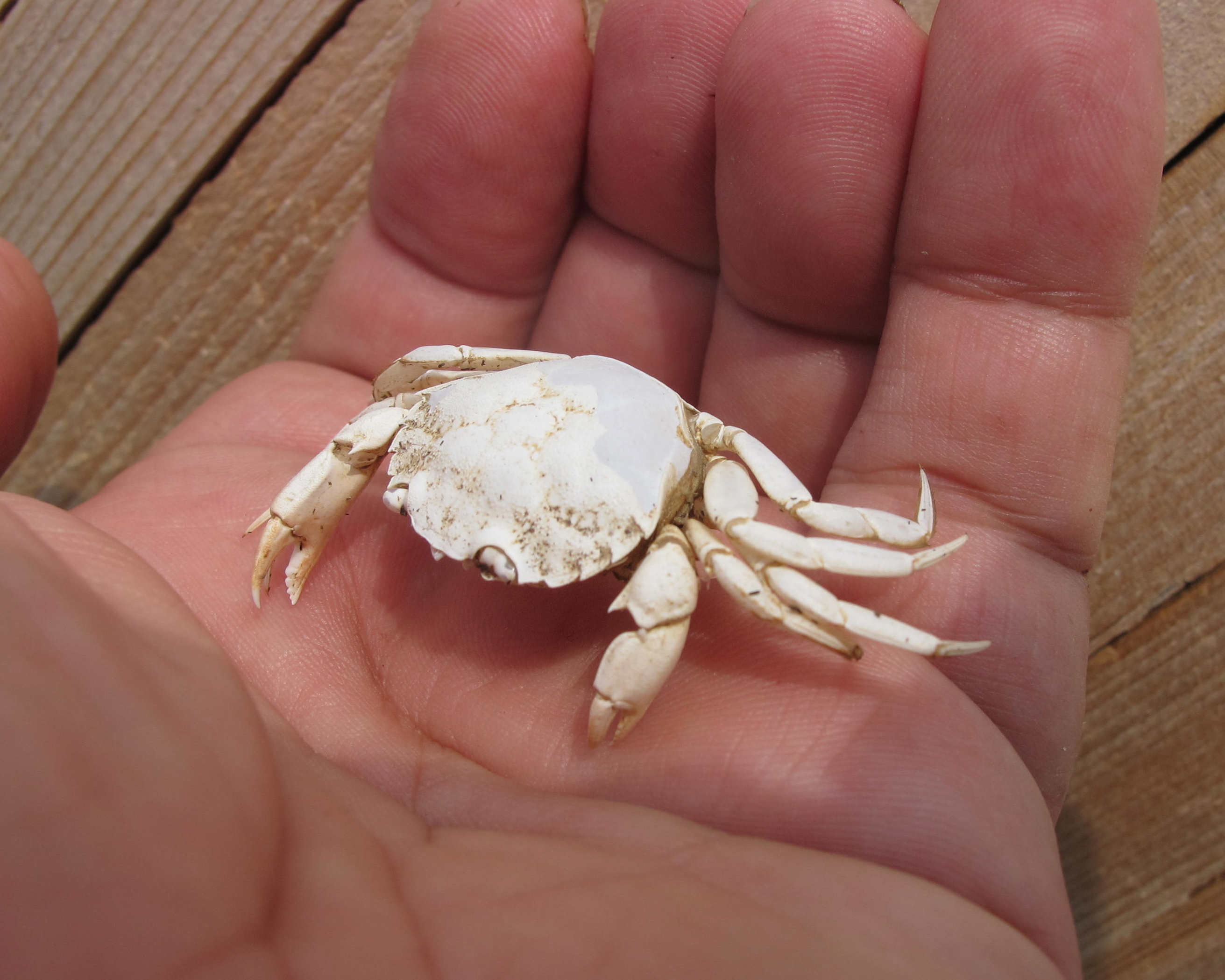
Empty molted shells of hundreds of crabs are washed up on the high tide line beside the Egg and I am starting a collection of these exoskeletons from the size of a penny to the full size of my hand. A crab might molt 20 times in its life and I’d like to find an equivalent number of spent shells of increasing size to tell something of this remarkable process.
There must be scores of places to read about this online, but I referred to this link http://www.afsc.noaa.gov/Kodiak/shellfish/cultivation/crabGrow.htm
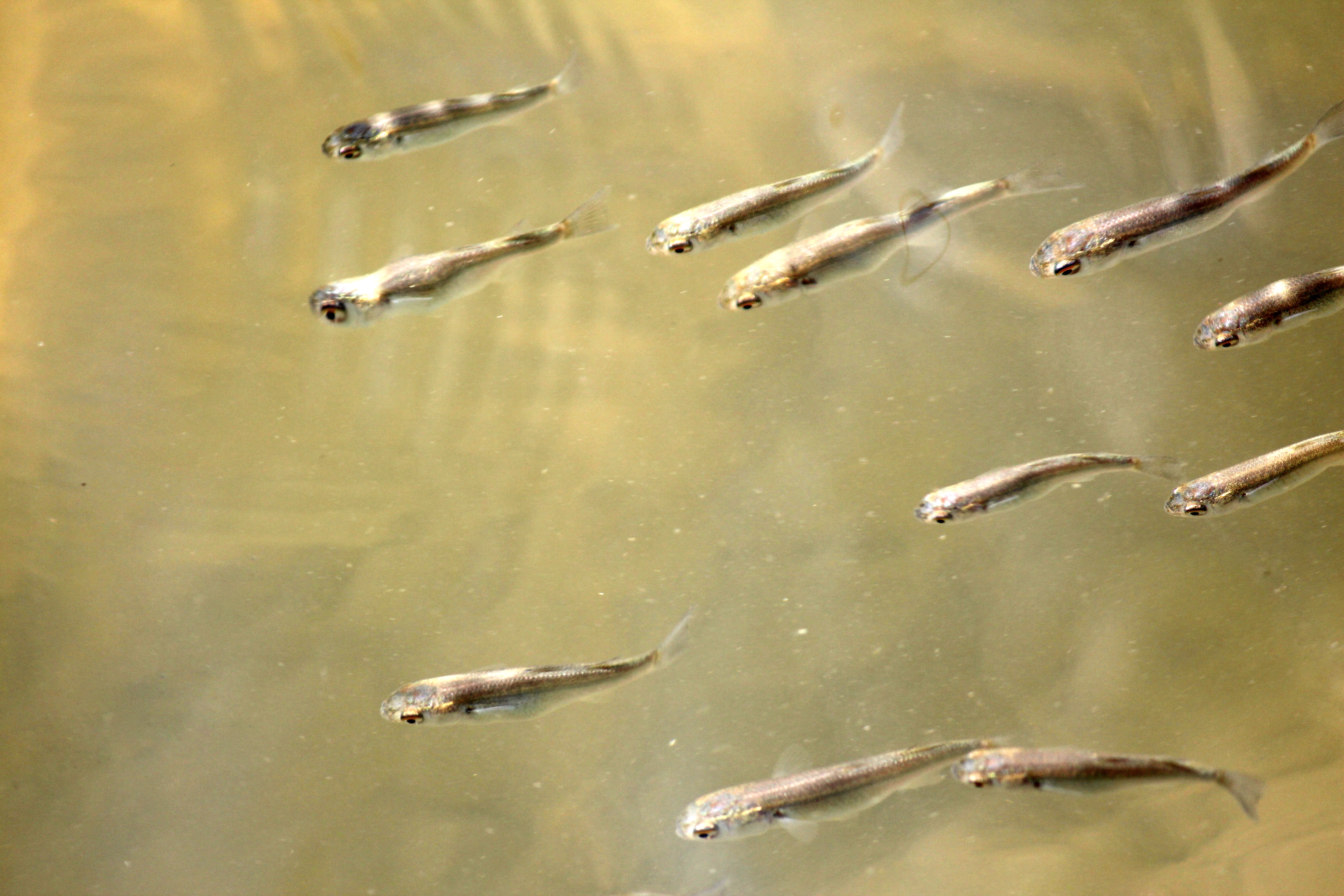
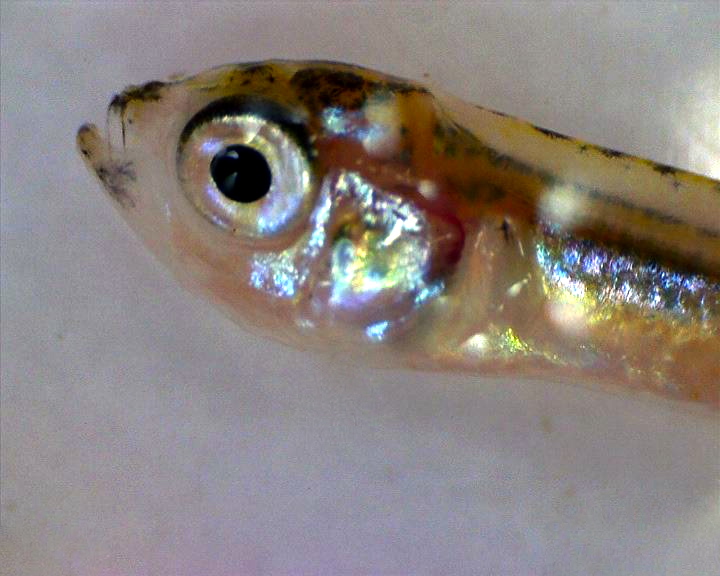
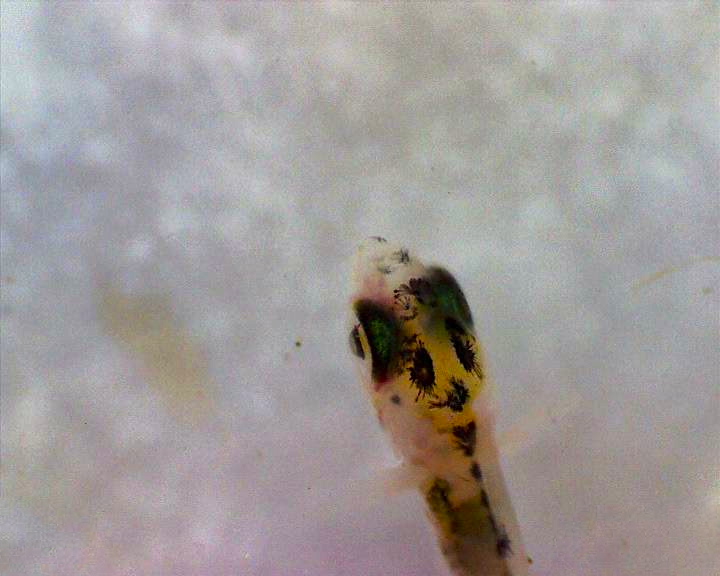
Small Fry
The Buff Orpington
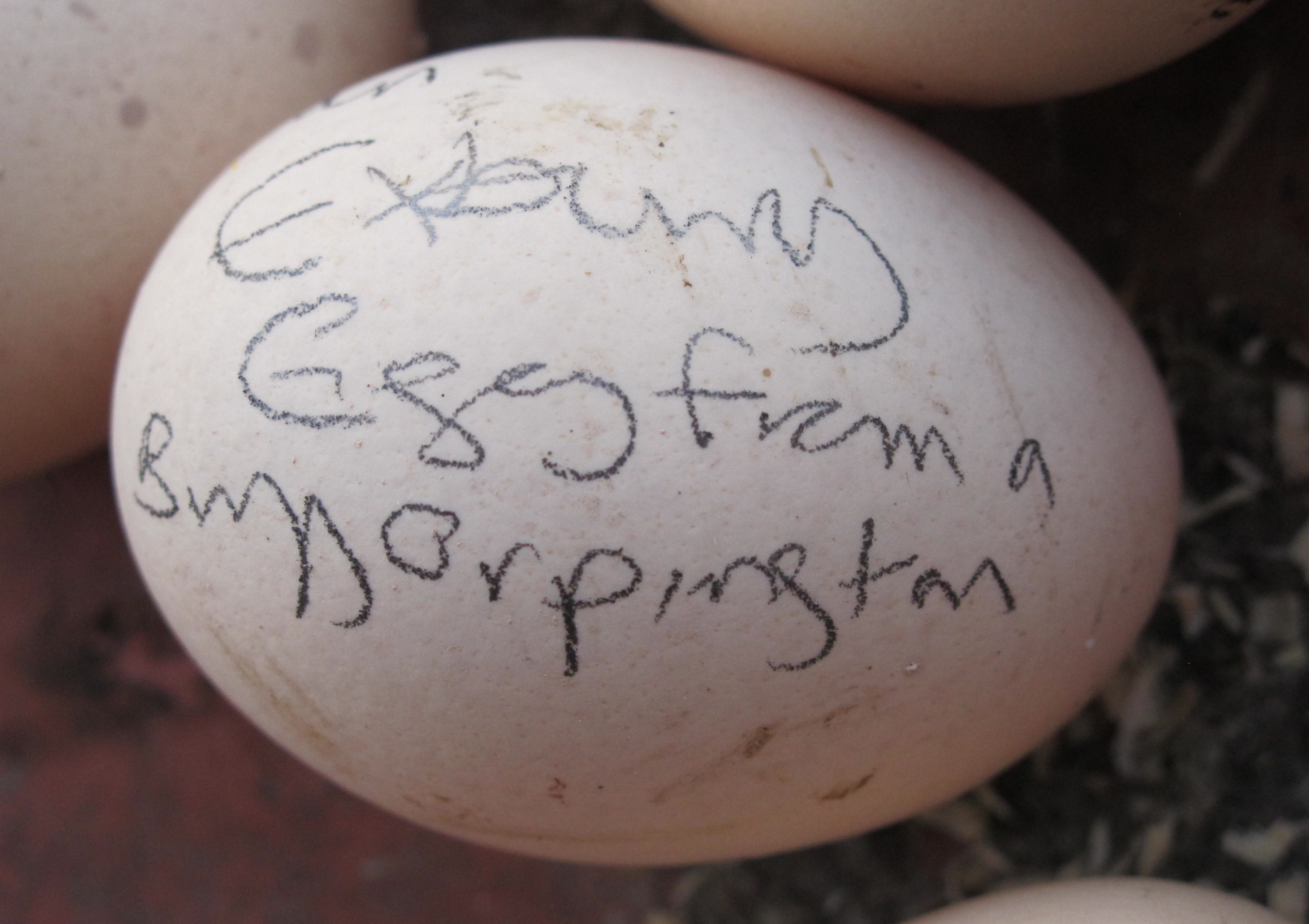
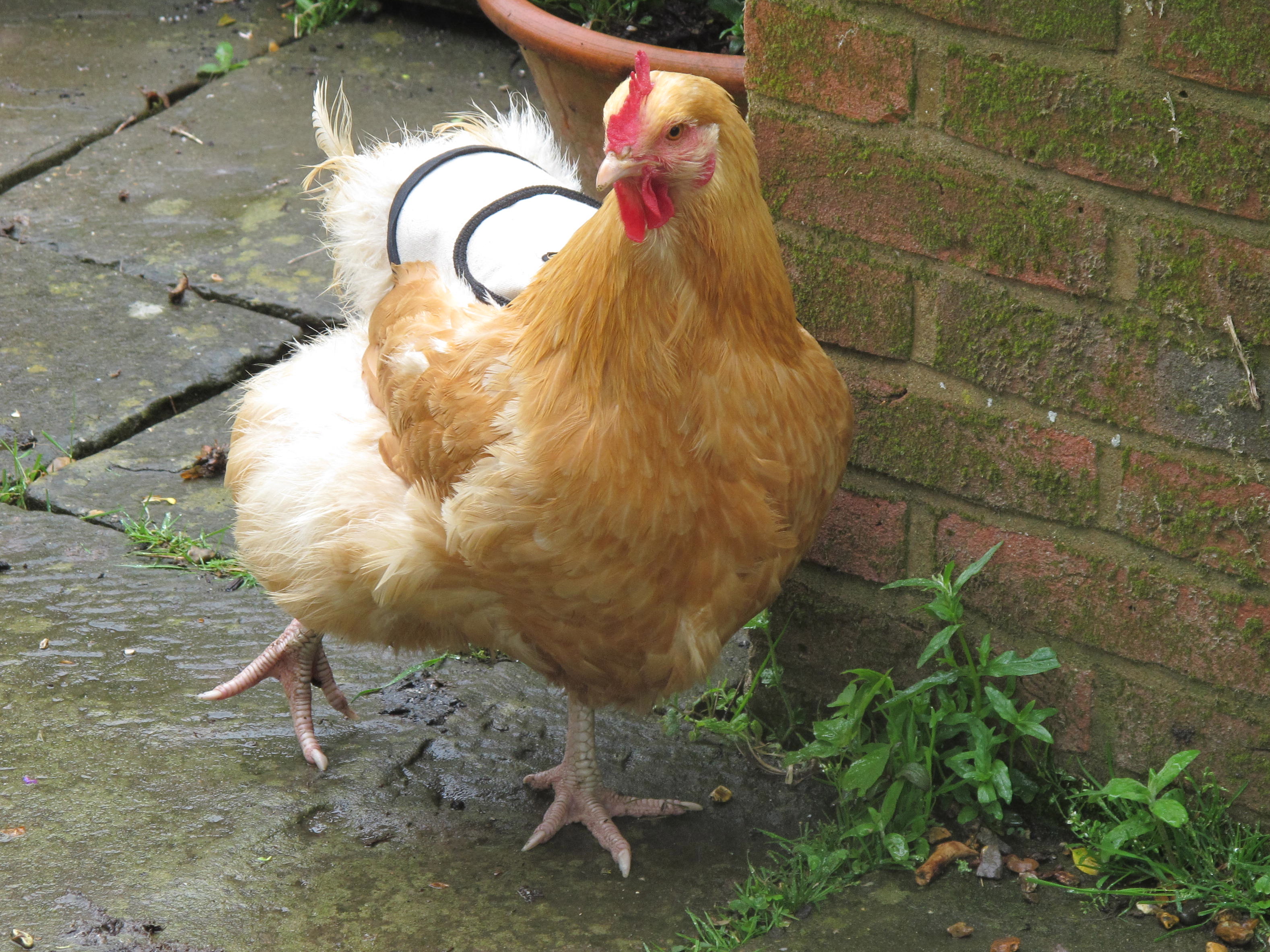
Nick and Caroline came visiting today, bearing a gift of fresh eggs from their own Buff Orpintons. Vasari wrote in his ‘Lives of the Artists’ that the Florentine Piero de Cosimo (1462 – 1522) lived largely on hard-boiled eggs, which he prepared 50 at a time while boiling glue for use in his (egg) tempera artworks. Vasari wrote that he lived “more like a beast than a man” and was not inclined to clean his studio. I hope to be more rigorous with the broom and also manage a more varied diet, but I do share Piero’s love of landscape and quest for knowledge of flora and of animal life.
On the Importance of the Egg

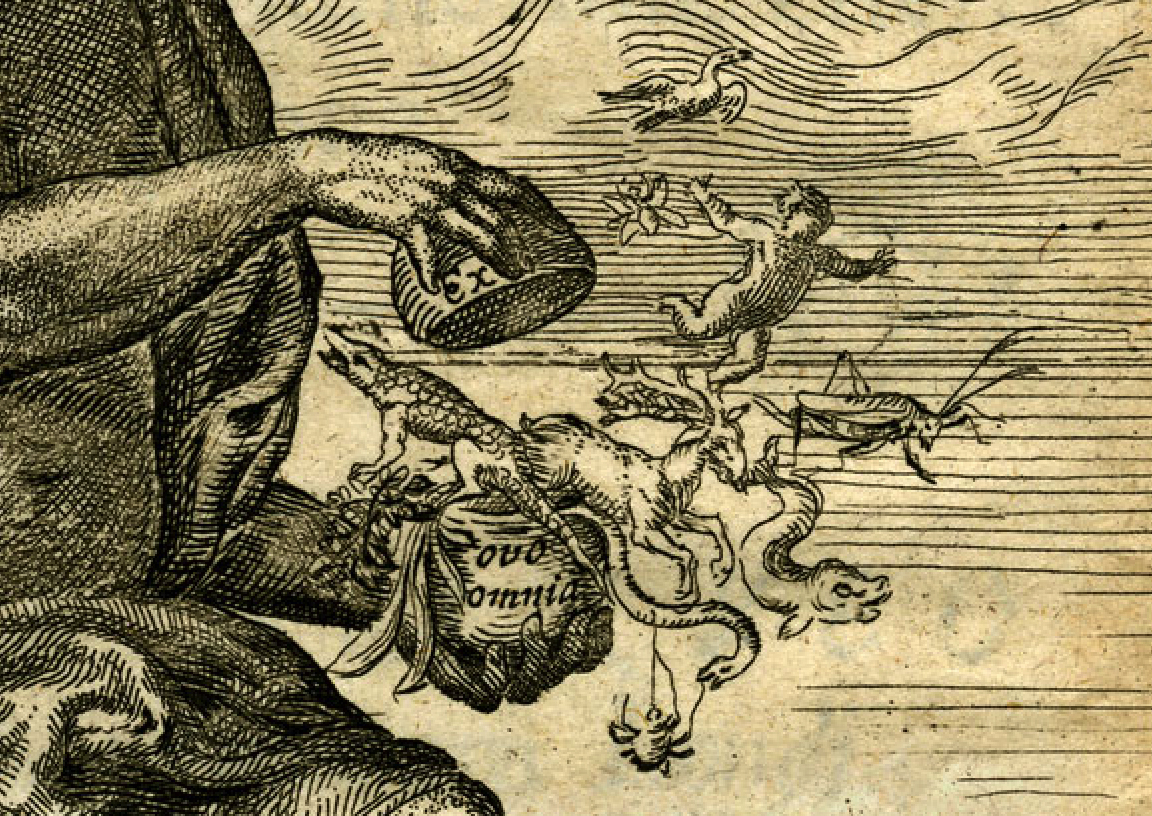
Ex ovo omnia. Detail of the frontispiece, probably drawn and etched by Richard Gaywood, from William Harvey, Exercitationes de generatione animalium: Quibus accedunt quaedam de partu: de membranis ac humoribus uteri& de conceptione, London: Octavian Pulleyn, 1651. 21 x 16 cm.
By permission of the Syndics of Cambridge University Library
The blueprint for the egg structure, echoes the symbolism of the egg as a blueprint of life. An aesthetically perfect and compact capsule, the egg contains in embryo the essentials for new life in most of the animal kingdom and is closely related to the seed, which encapsulates the same meaning within the world of flora. A great scientist of the Seventeenth Century, William Harvey, wrote ‘ex ovo omnia’ – everything comes from an egg. From primate to plankton it embodies the idea of new birth and renewal, protection and fragility. In an urban 21st century world where we are increasingly disconnected from nature this ancient archetypal symbol will nurture re-enchantment and understanding as a step toward a sustainable future.
While these ideas will be shared virtually online, I am floating older tried and trusted means of making contact…