Blackberry Picking 1966

BB_7044

Seamus Heaney’s  poem called  Blackberry Picking was sent to me just a couple of days ago in response to my ongoing fascination with this bountiful plant, but without mention of his death at the end of August (news of which just penetrated my thin cedar walls). I walked out tonight as the sun set along my abundant avenue of fruit laden bushes, whose every stem seemed home to the green, to the ripe and to the gone to seed. Nothing’s lasts forever, except perhaps its memory.

Blackberry Picking
Late August, given heavy rain and sun
for a full week, the blackberries would ripen.
At first, just one, a glossy purple clot
among others, red, green, hard as a knot.
You ate that first one and its flesh was sweet
like thickened wine: summer’s blood was in it
leaving stains upon the tongue and lust for
picking. Then red ones inked up and that hunger
sent us out with milk-cans, pea-tins, jam-pots
where briars scratched and wet grass bleached our boots.
Round hayfields, cornfields and potato-drills
we trekked and picked until the cans were full,
until the tinkling bottom had been covered
with green ones, and on top big dark blobs burned
like a plate of eyes. Our hands were peppered
with thorn pricks, our palms sticky as Bluebeard’s.
We hoarded the fresh berries in the byre.
But when the bath was filled we found a fur,
A rat-grey fungus, glutting on our cache.
The juice was stinking too. Once off the bush
the fruit fermented, the sweet flesh would turn sour.
I always felt like crying. It wasn’t fair
that all the lovely canfuls smelt of rot.
Each year I hoped they’d keep, knew they would not.
‘Death of a Naturalist’  1966  Seamus Heaney

Marshmallow

IMG_7563

Marshmallow rises up through the tall grass within twenty metres of the Egg (N 50˚47.142′  W 001˚24.449′). The French began to use pith from the stems of this plant, boiled with sugar, as a chewy sweet in the 19th century. They later tried whipping the pulped roots with egg white and rose water to create the light airy confection that todays purely sugar and gelatine marshmallows are derived from. The plant may be scarce in this environment and need to be left untouched, but if more are found nearby I will make my own confection as an after dinner treat –  and as a further reminder of our long cultural relationship with all that is living around us.

Unknown-1

The Exbury Egg Conserves

blackberryjam label

Morning ripened berries were selected from an east facing bush on the Egg Gateway. They were thoroughly washed and examined by hand for bits of thorn and other unwelcomeness.  They were then lightly crushed in a bowl.

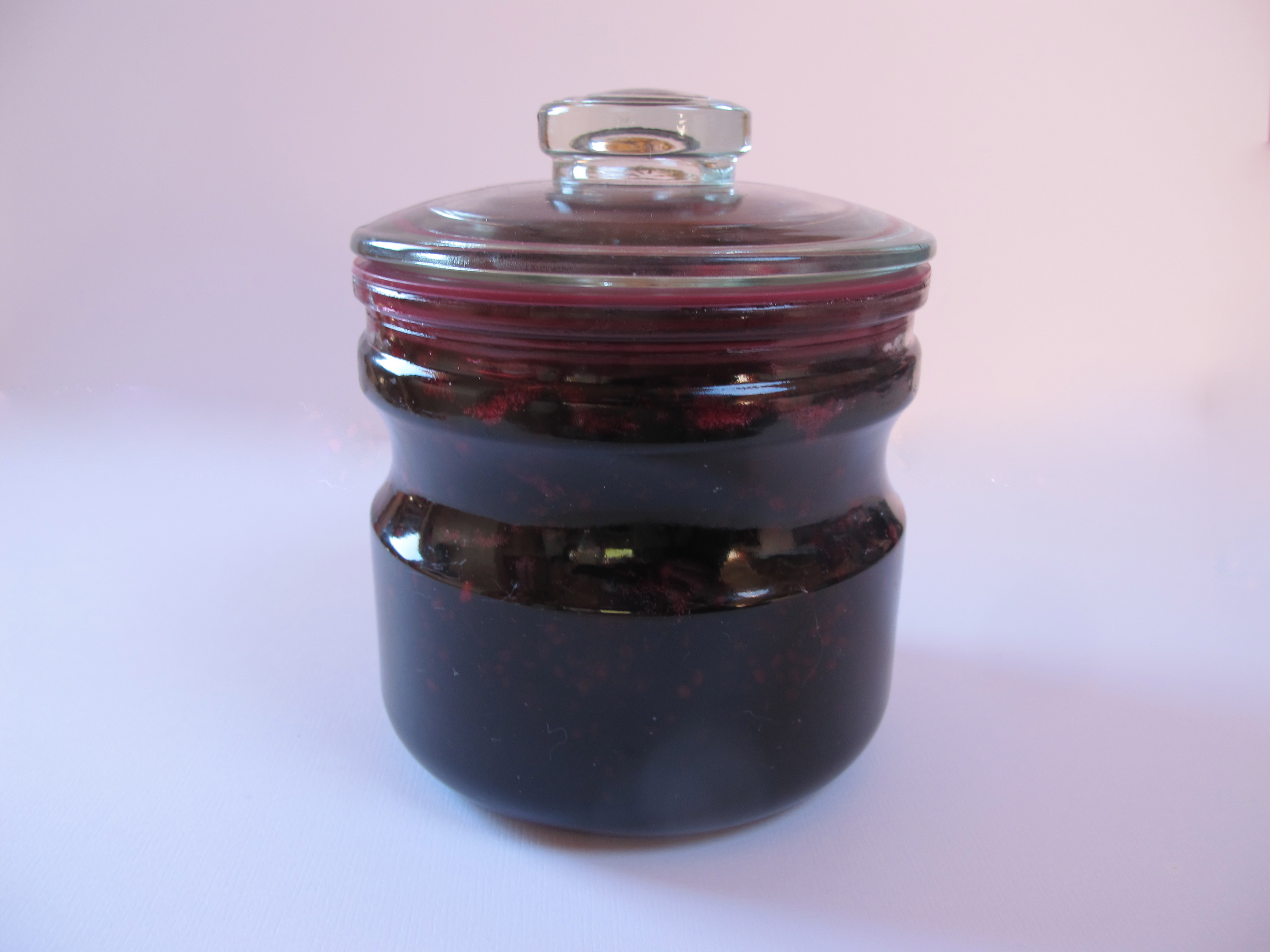
A sachet of pectin with a quarter cup of sugar was added to the berries and brought to the boil for a minute.  Seven full cups of sugar were then added and boiled again for a short time, until the nascent jam began to set on a cooled spoon. Froth was skimmed from the top and the mixture carefully poured into two pre-prepared sterilised jars.

nb. It is important not to pick blackberries after Michaelmas on September 29th after which time they increasingly become a home to maggoty creatures. It has been argued that the devil renews a curse on the plant on this day every year, after landing on it when ejected from heaven by archangel Michael.

Media

Eight cups of berries (crushed to fill six cups)

Seven and 1/4 cups of sugar

One sachet of pectin

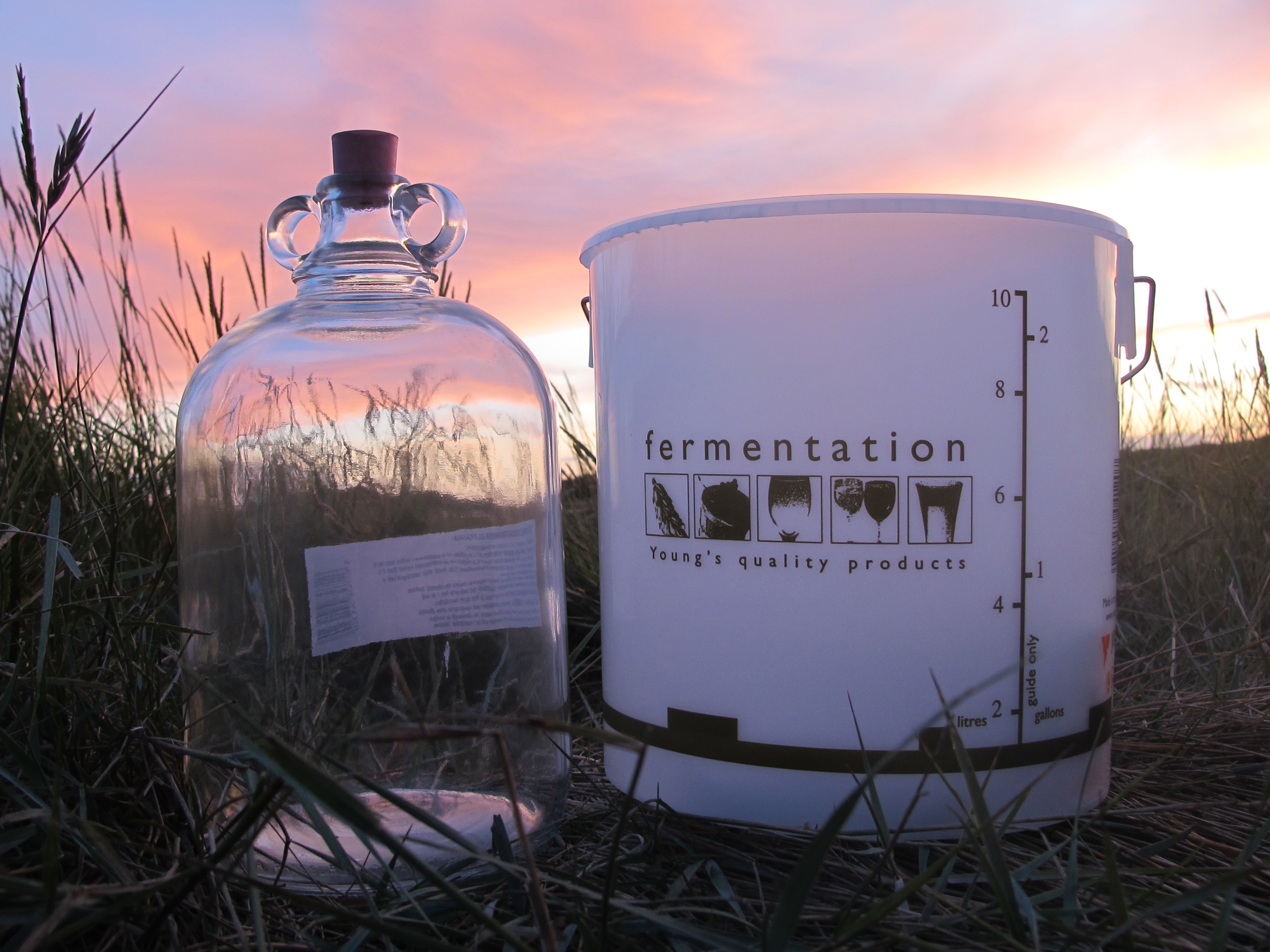
Two clean glass jars

Two labels (to be applied)

IMG_6825_2

Yellow Sentinels

marshsowthistle_6514
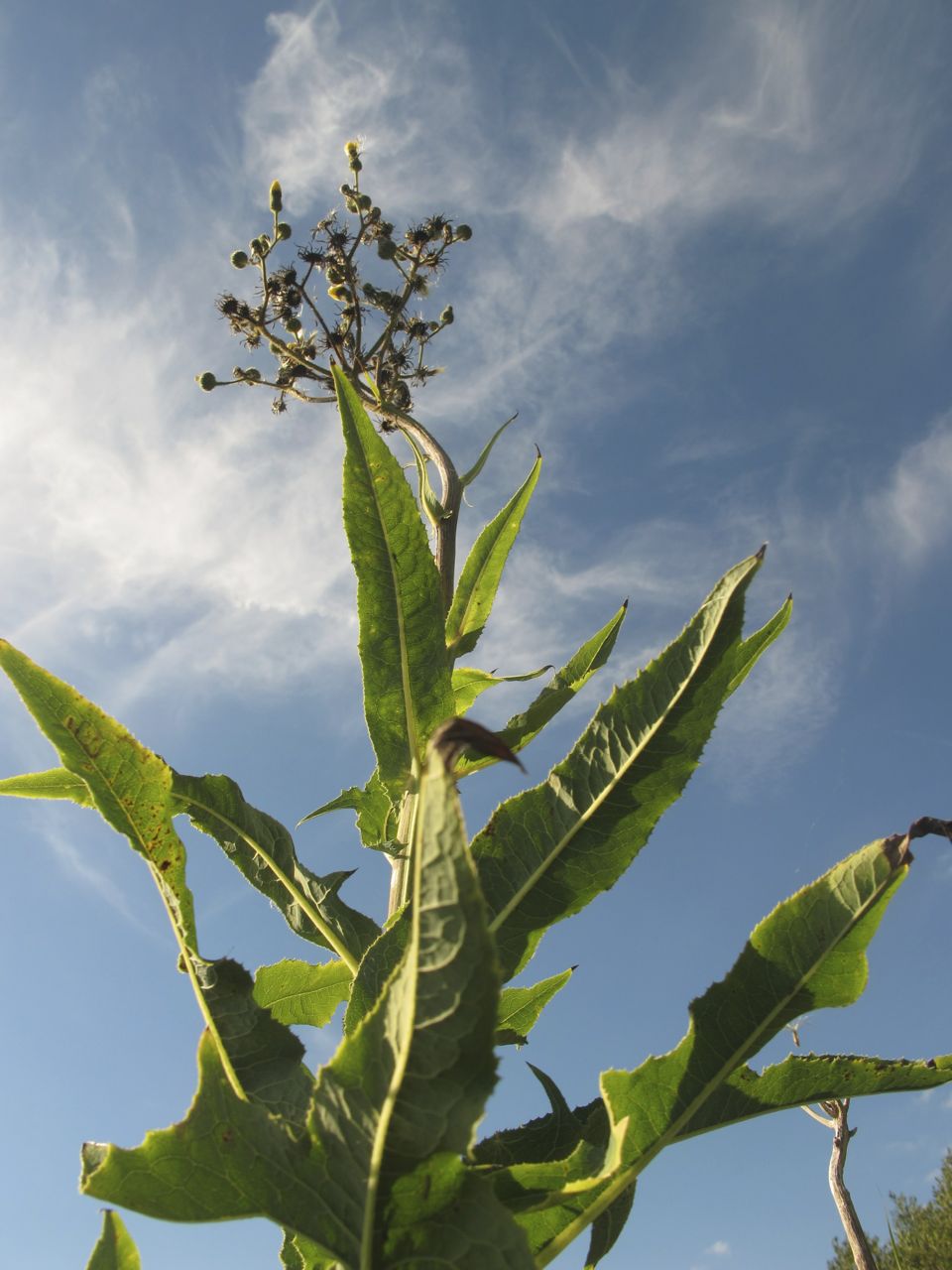
Standing sentry beside The Gateway to the egg are a row of ten tall marsh sow thistle. It is a nationally scarce plant undergoing significant decline and disappearing from most parts of England as its preferred floodplain habitats change. I have observed it in small patches all along the parish boundary west of the egg as it raises itself above surrounding reeds, grasses and brambles. Last year’s dry shoots remain petrified beside the current generation and whilst the plants are all mostly seeded and spent, the long summer is raising up new yellow buds for my continuing enchantment.
Reading reveals that they have been observed beside the Beaulieu River for many years and could be indigenous to this particular place.
marshsowthistle_6477
 The Beadle is back on Station.

Red and Yellow

IMG_6050

frame6 2

frame4

The red of the sea beet is in a fight for light with surrounding grasses and the pale yellow of the more plentiful sea purslane is an easily dismissed fuzz of brownish yellow. Relatively dull to the naked eye, they have a haunting and memorable presence under my microscope’s lens.

IMG_6051

frame2 2

Tunnel Vision

labyrinth4906

Other creatures dwell around my abode in the Egg  and the labyrinth spider is just one of my many parishioners. Its web inspired me to cut a new route to the Egg through bramble and blackthorn, that is both more sheltered and less disturbing to the birds. It was slow work negotiating the sharp spines of the blackthorn.

IMG_5806

Samphire

Samphire6472

IMG_5633

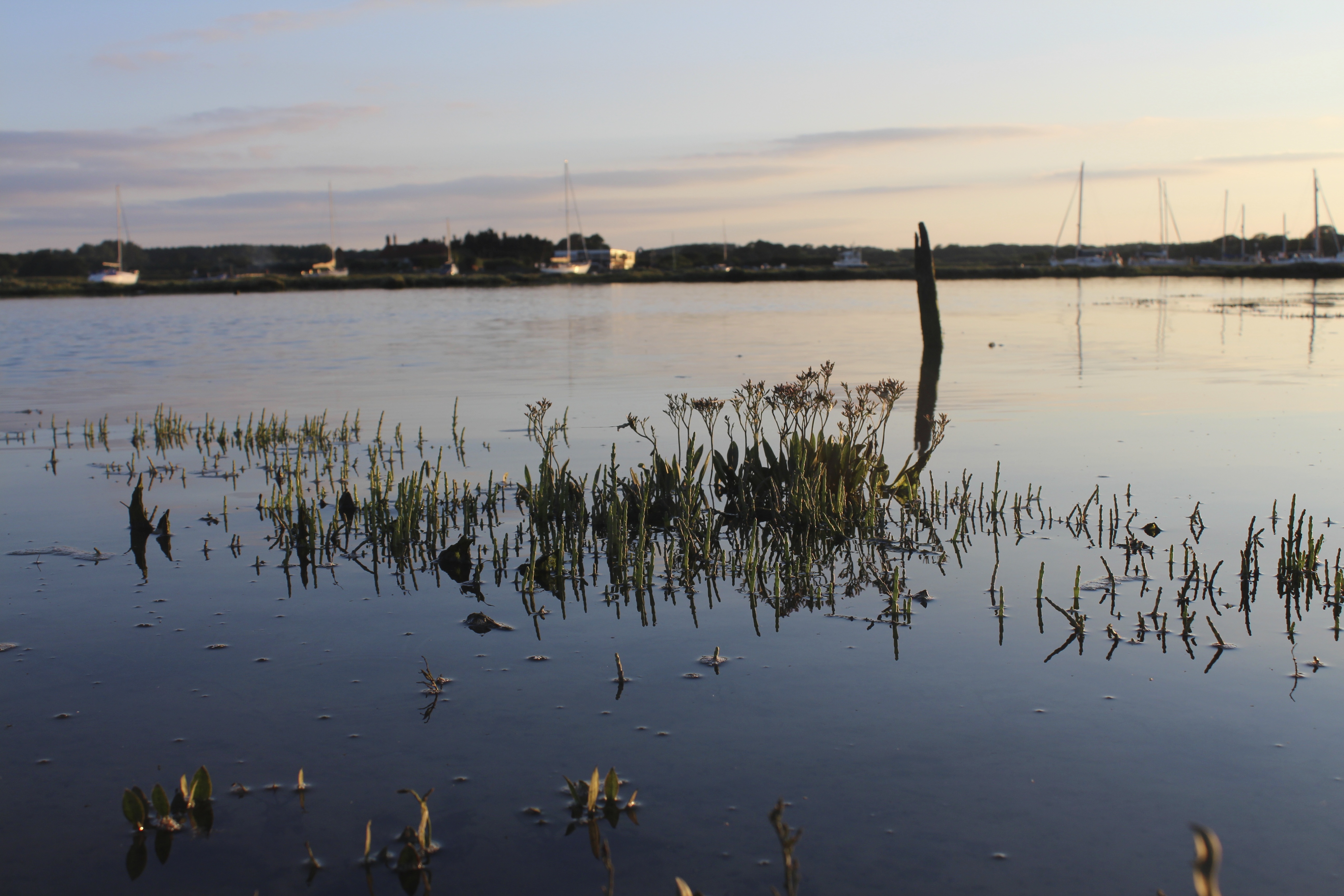
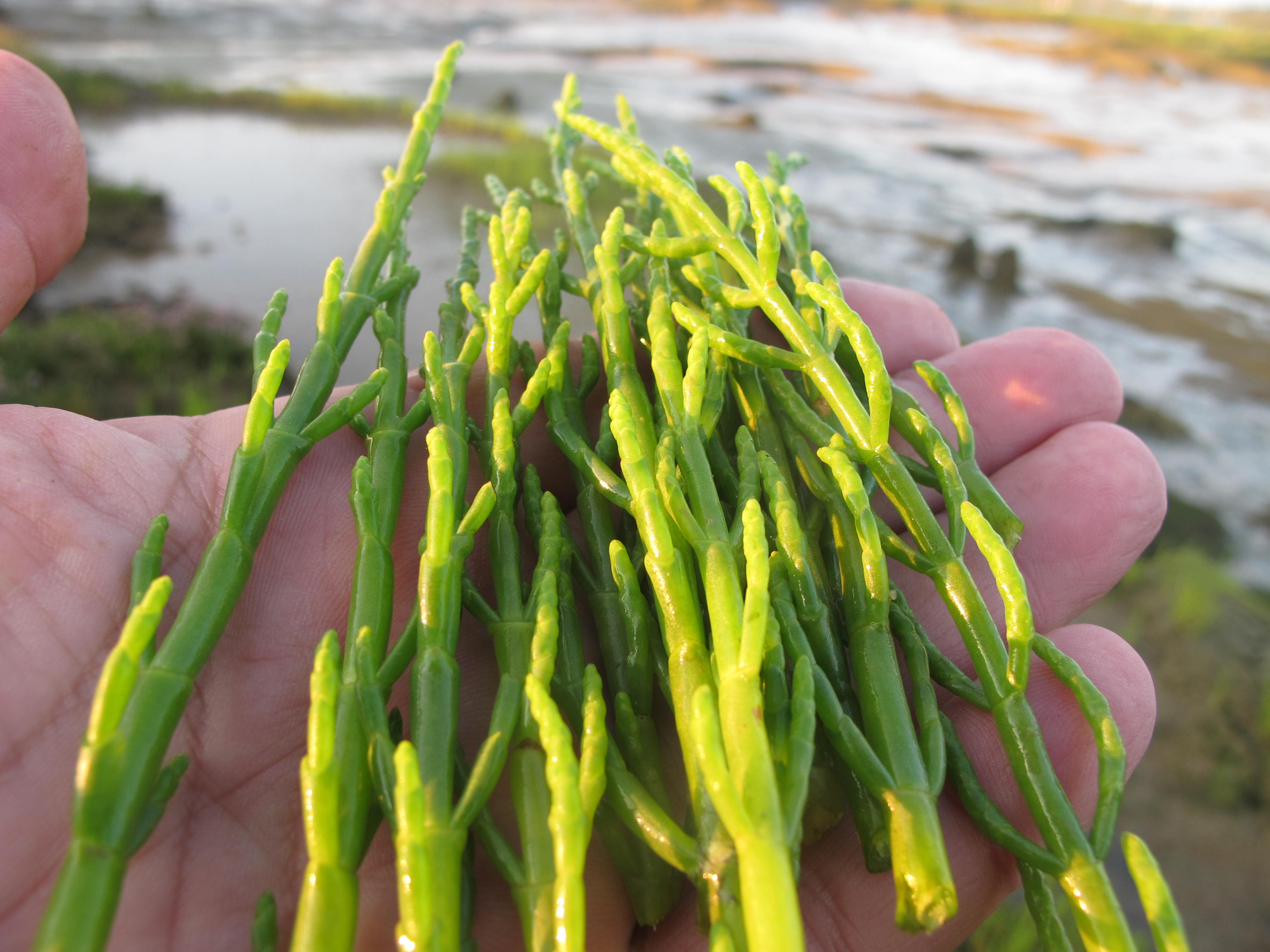
To the west side, the story is about marsh samphire whose  tips are ready to be picked. A few succulent stems made breakfast today, cooked for a few minutes with a small amount of butter, pepper and lemon juice. It stands like a miniature forest of fresh, succulent and bright green cacti (without the prickles).

I have also got a small patch of sea beet beside the pontoon to the Egg, and my thicket of blackthorn could well result in a few bottles of Exbury Egg Sloe Gin or maybe jam…

For some amazing sounding recipes for samphire take a look at the following link:-

http://www.theguardian.com/lifeandstyle/2007/jun/30/features.weekend

IMG_5646


Penning a line

IMG_5622

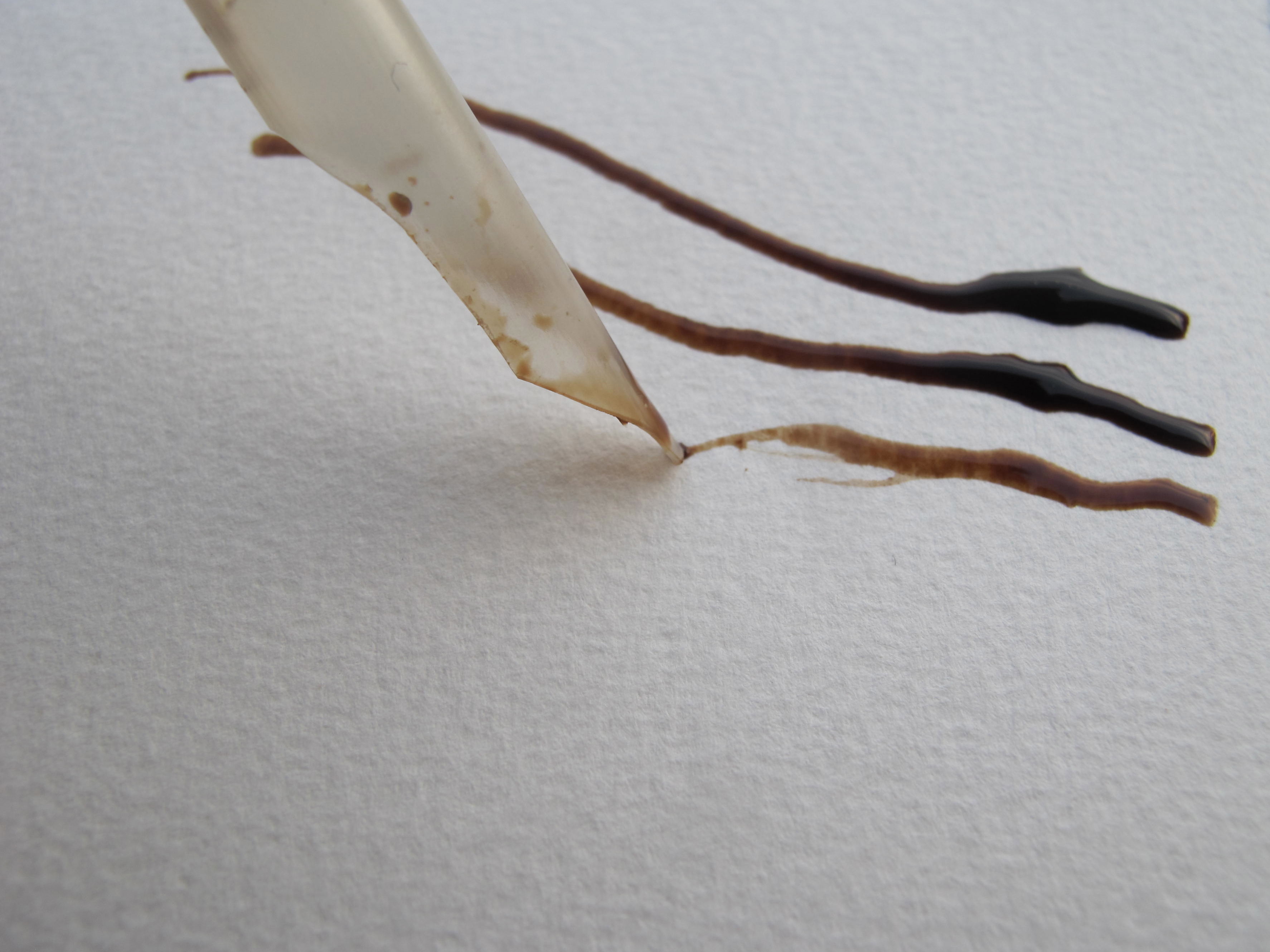
There are around seventy Canada Geese summering on the marsh and surrounding fields, and today I found a large goose feather on the foreshore which I made into a pen by shaping the hollow end with a sharp knife. Goose feathers were the scribes weapon of choice until the advent of steel nibs in the nineteenth century. Whilst penning these brief notes on a mac book pro, this writer still likes the feel of scratching over the surface of real paper and using an ink made in the traditional way from the surrounding Oaks. Whilst enjoying the best of the new, I would hate to forget, or lose, what endures in the traditional.

IMG_5626

IMG_5558