High Water

IMG_8711

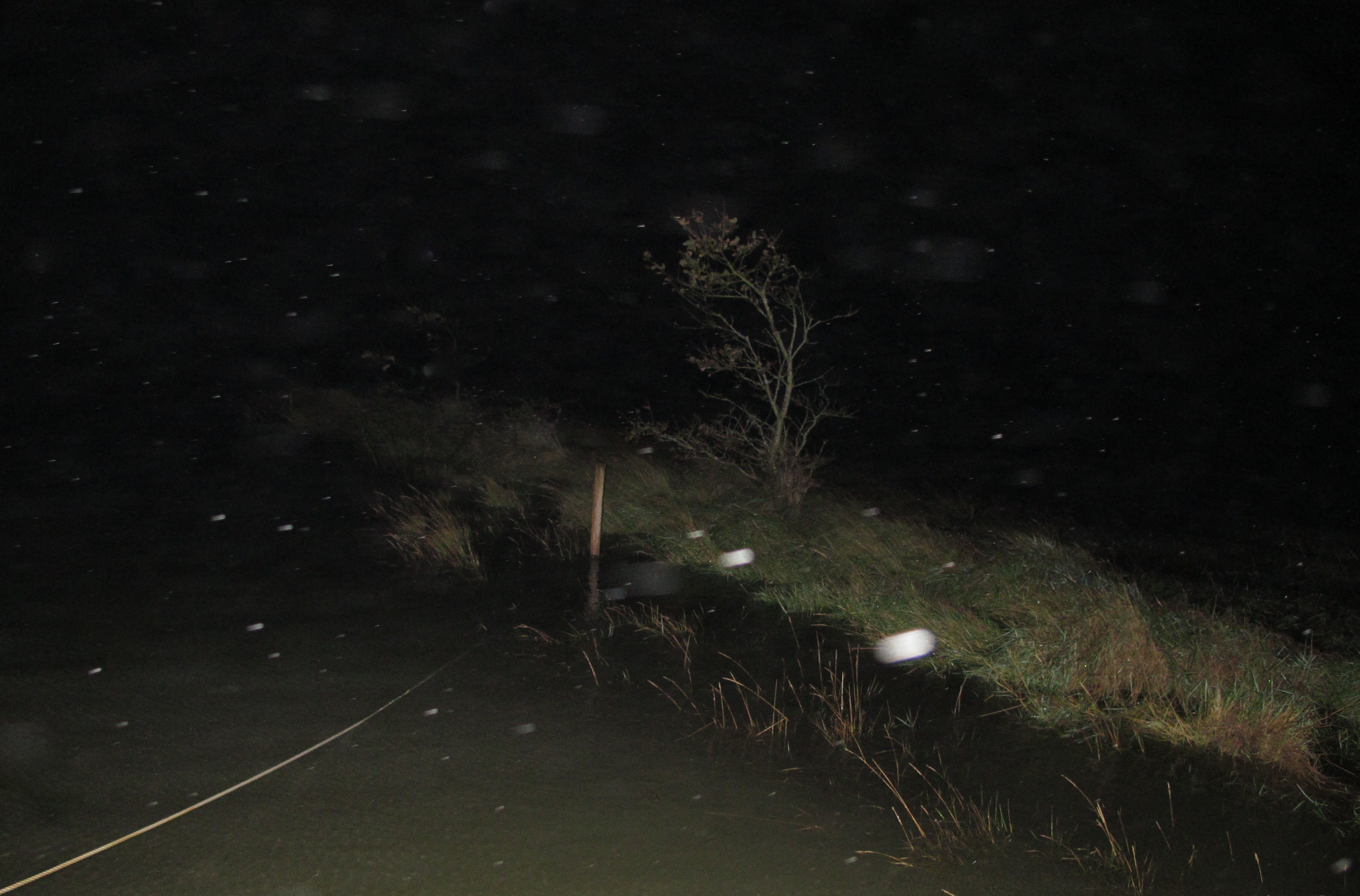
Late on Sunday night the river surged in on a high spring tide made more potent by low pressure, heavy rain and strong southwesterly winds. Adjoining land was reduced to a mere two food wide strip around the small oak bush opposite my mooring. These feel like very powerful forces fingering the land. Next morning the tide mark clearly told the story of the night before.

IMG_8727


PLEASE NOTE that this post was prepared on Monday 4.11.13 It could not be posted due to lack of power at the Egg. A backlog of posts will eventually be cleared .

Soldiering On

IMG_2648

A very lethargic soldier beetle was drawn into the egg yesterday night by the light of my lap top monitor were it sat for a while before scooting off. Today I found it resting on the back of a drawing board , just above the crescent moon. There are over 50 varieties of this creature that make their homes in the UK and got their name from a red backed variety that looked like a red coat (soldier). I am not sure which this is, but presumably it likes damp marsh environs.

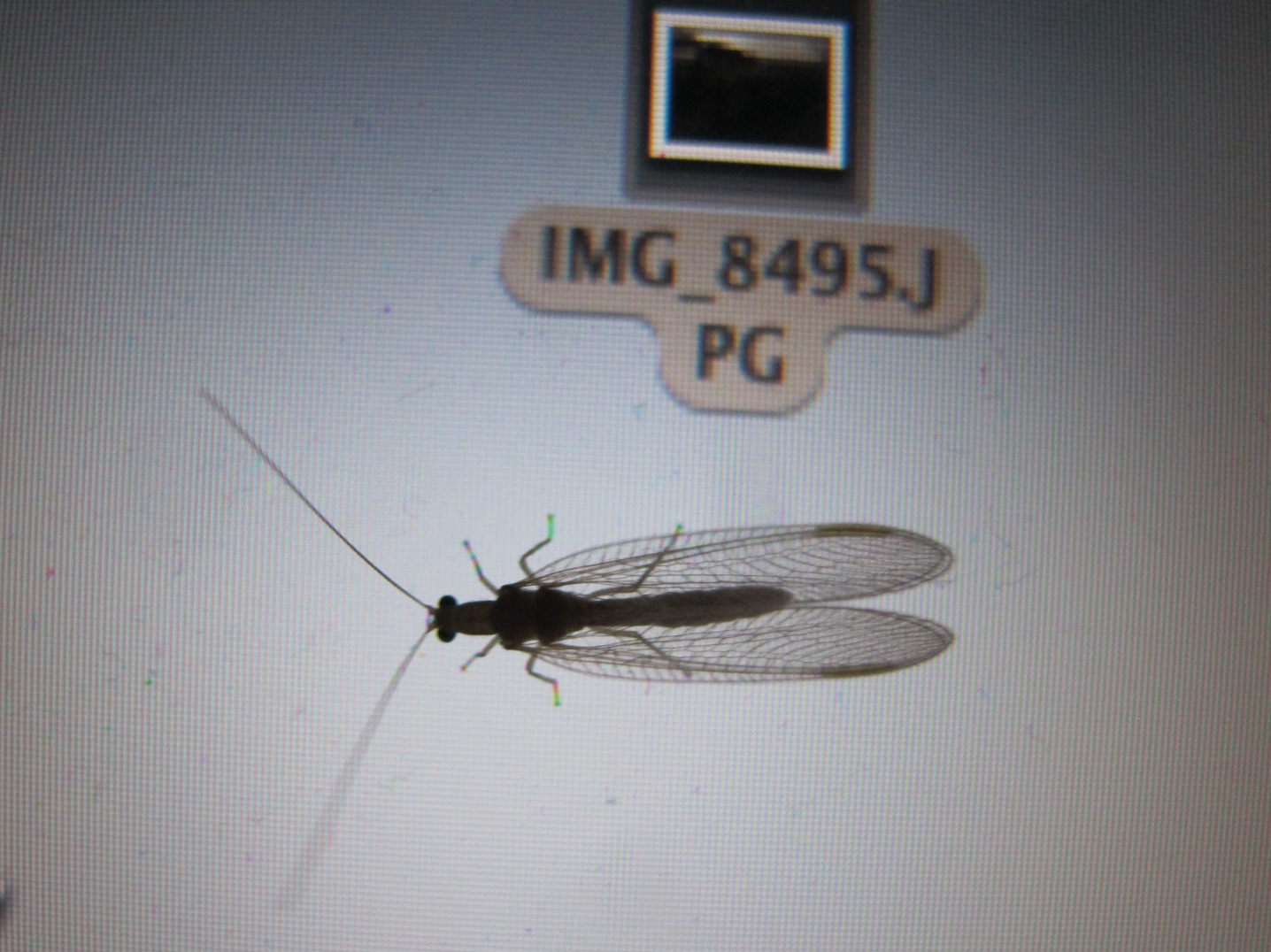
My lap top screen is a frequent abode for night creatures and the lacewing below has just come in, looking for a place to hibernate for the winter. More worrying was the critter that got beneath the screen and was wondering about in pixel land a few weeks ago.

IMG_8522

Please note  that this post was prepared on November 5th and is posted late due to a lack of power in the Egg.

Exbury Egg Conserves No3: Sloe Gin

sloeGin

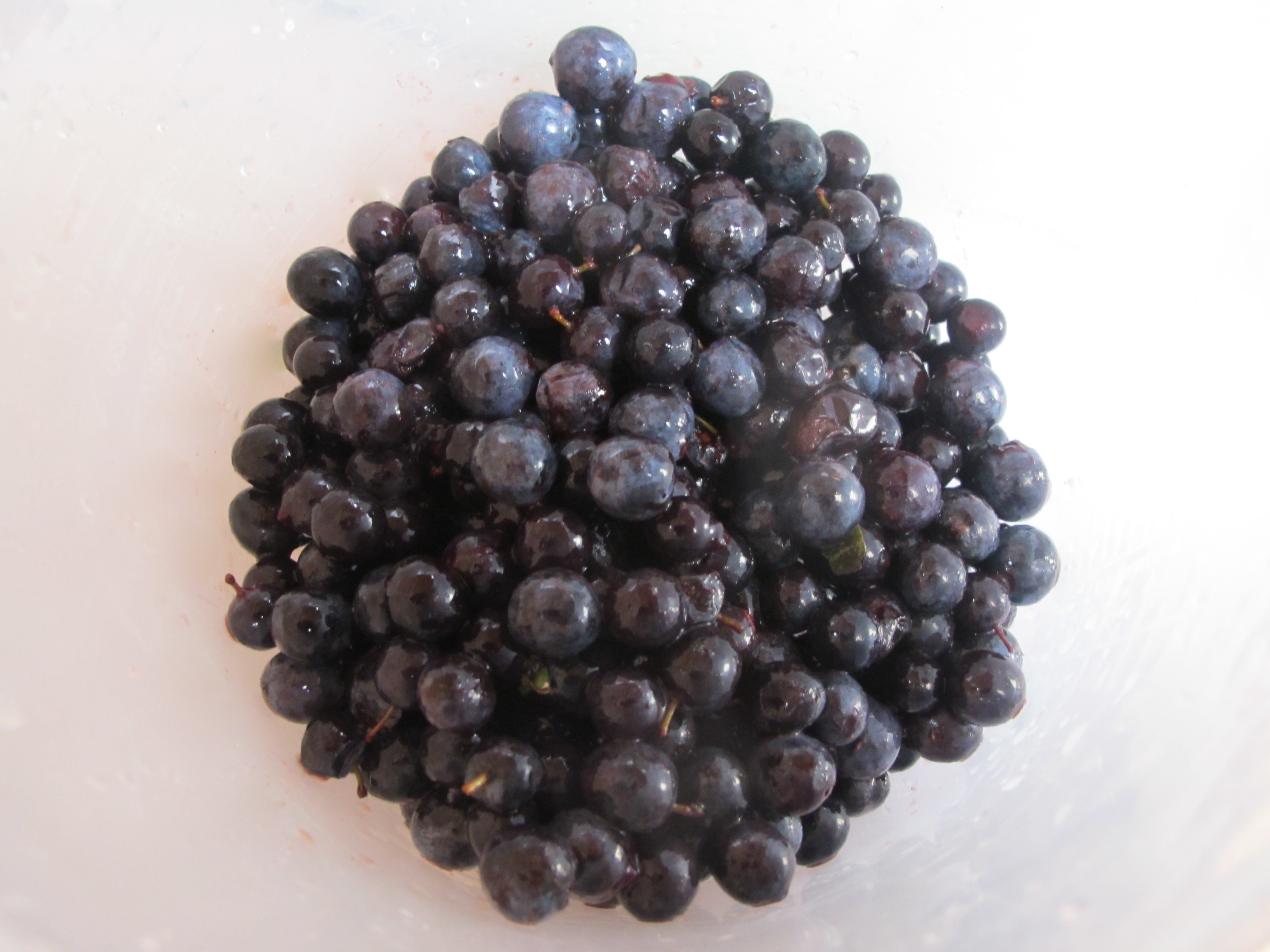
Intense rain showers drove me indoors to make a limited edition of sloe gin. The blackthorn berries were picked eight days ago on October 24th and were kept refrigerated nearby until I came back from leave. The freezing is roughly the equivalent of all my solar energy generated in the same period… so I hope the gin will be good. Unlike the blackberry, it does not seem to have been a good year for the sloe and the trees (never abundant), were by today completely bare.

IMG_8589

IMG_8592


* The images today have been made possible by cutting a live web camera and we are looking at ways to find a little more energy for the winter months.

Returning to Roost

On returning to the Egg after a spot of leave, the only visible effect of the recent storm winds is a much higher tide line than that predicted in the published tables. The straw coloured remains of dead spartina grasses and other detritus form a heavily drawn streak on the grass near the top of the embankment where the Egg is tethered.

I will explore more after sunrise tomorrow. For now the Beadle is retiring to his bed as the batteries are drained and the solar power has failed after just half an hour of charging my phone (another result of the shortening days and a consequence of running the webcams 24/7). The WIFI is of course down too and my 3g network will not load images; so these words are the only possible picture I can post on this dark, damp night.


Stormy

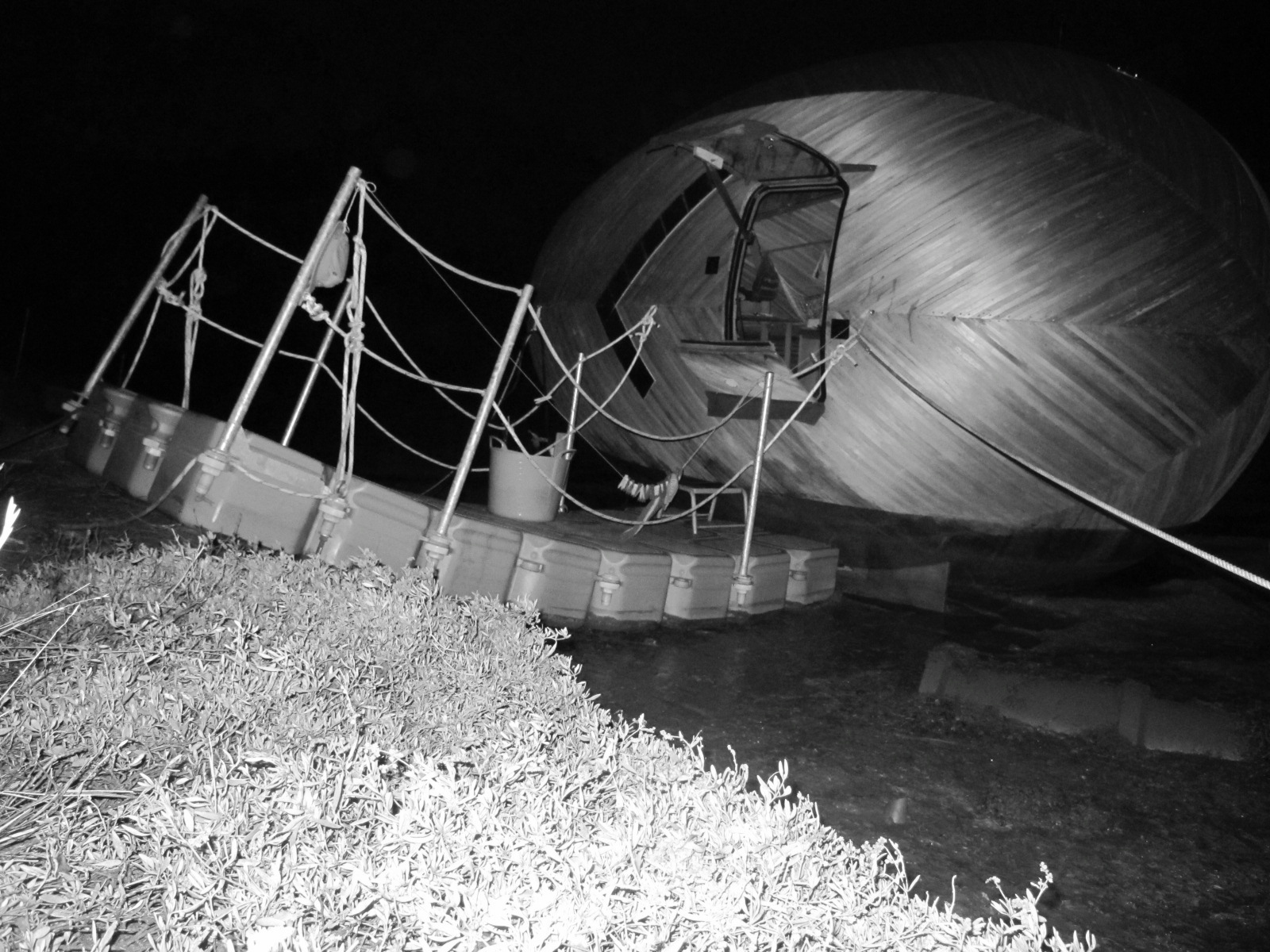
Predicted wild weather met the Egg this week. According to the Met Office, south westerly winds gusted at up to 99mph over the Needles Old Battery on the Isle of Wight, just across the Solent. Alex Fogarty, who works for Wightlink Ferries, said: “We had probably the hairiest night since I’ve worked for Wightlink… At about five o’clock this morning we had the full force 11 gusting hurricane-force winds.”*

My namesake JMW Turner, told how he was strapped to the mast of a ship to better experience such a storm, but I had to make do with two live webcams, as I am currently spending a few days on leave.

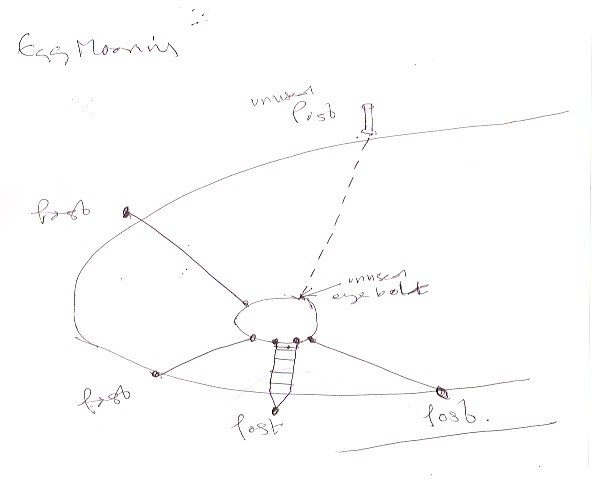
The Egg is only afloat for about five hours in twenty four and this, combined with an aerodynamic shape, very sheltered position and secure mooring (though I may need another rope along the dotted line below) allowed it to comfortably ride out the storm.

http://www.bbc.co.uk/go/em/fr/-/news/uk-england-hampshire-24700370 >

Fly Fishing

IMG_8393

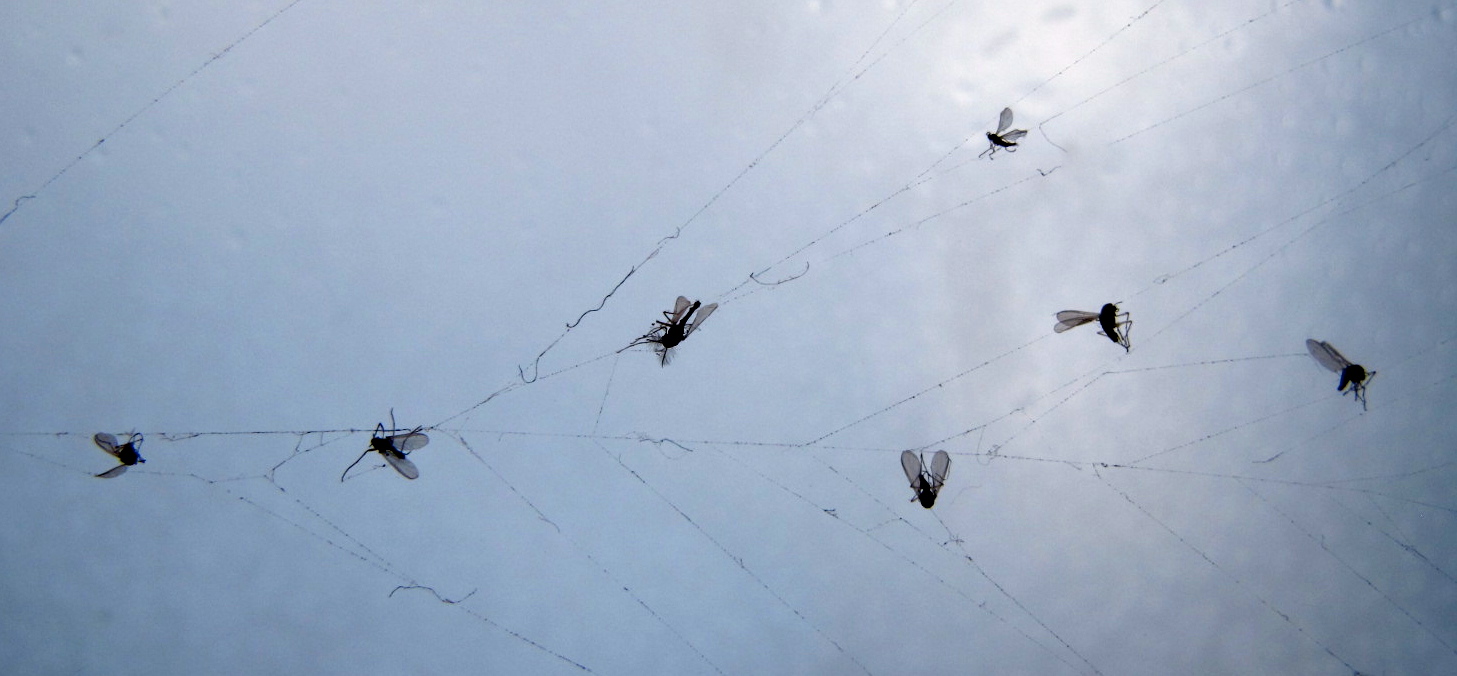
Spiders are attempting to make a home beside me inside the Egg. While I have been considering whether I should catch a mullet at high water, they have cast their own very fine nets to snare tiny flies around the edges of my sky light. They are keeping well hidden though, and I only see their finely spun lines against the sky. I look forward to saying hello.

IMG_8460

Gall Harvest

A small oak opposite the egg has a rich crop of galls to harvest. I will use them to make a dye for my clothing and to create an ink for drawing as the first step toward understanding the cultural and environmental importance of the tree in this particular riverscape.

Oaks can have many different species of gall growing on a single tree. These were made by the species of parasitic wasp andricus kollari and resemble marbles in size and shape.

Oaks can have many different species of gall growing on a single tree. These were made by the species of parasitic wasp andricus kollari and resemble marbles in size and shape.

Scrunched

Wind and the high spring tides around tonight’s full moon, combined to push the Egg toward the shore and my floating dock up and over a shrinking riverbank. The lower part of the door now catches on a stanchion and makes getting out a bit of a chore.  At the next high water in about three hours time, I will try pushing the Egg toward its correct mooring… at least there should be good night light to work by. The action can always be observed 24/7 on two live webcams at www.exburyegg.org

IMG_8312

Flying Saucers

IMG_8229

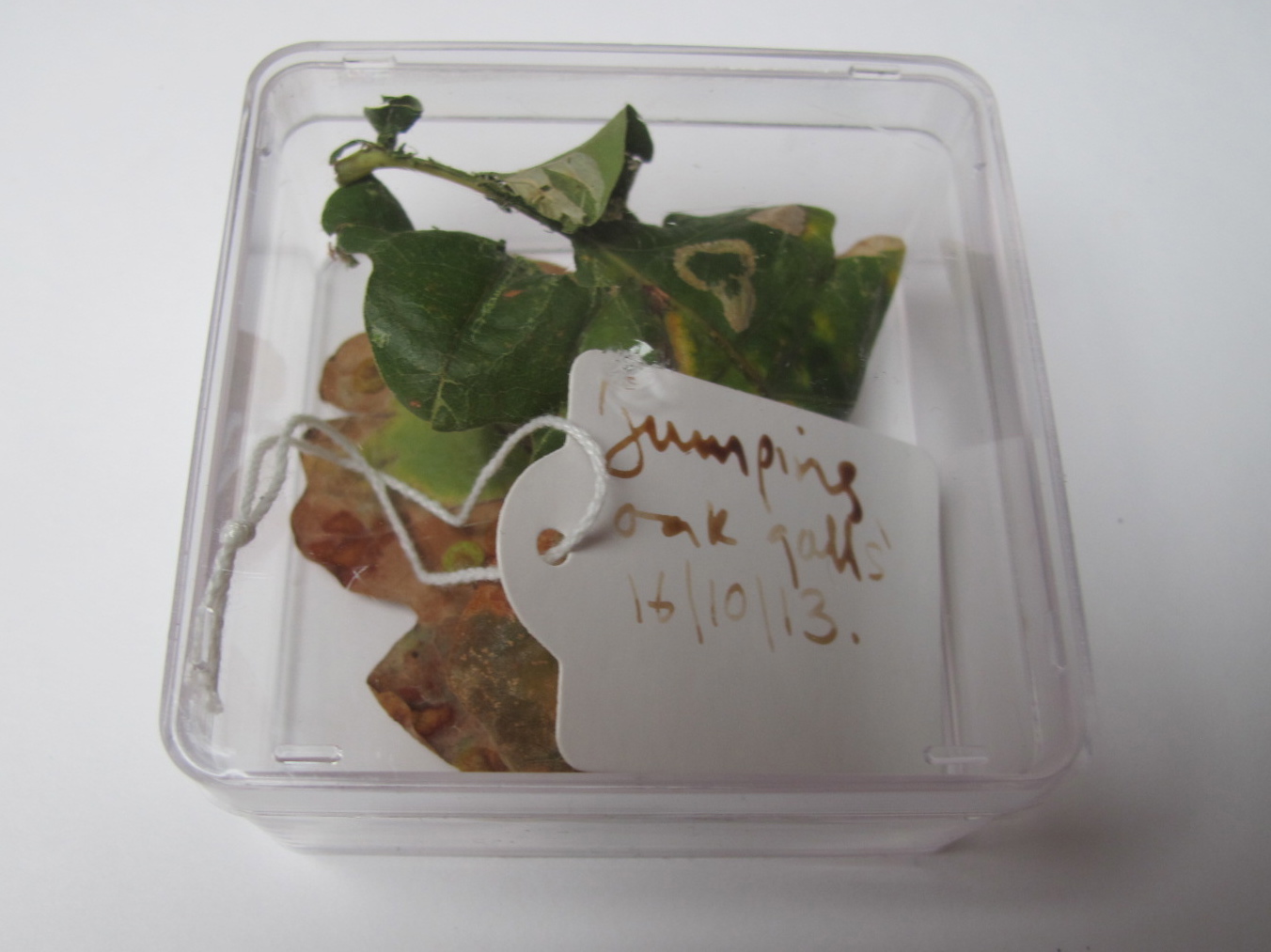
Rock and roll is today’s soundtrack as the Egg is pushed and tugged by cool blustery winds. I am tucked up inside, drawing an oak leaf with clusters of small circular raised discs on the underside that look like tiny flying saucers. The internet informs me that these are ‘jumping oak galls’ (or spangle galls) and each one has the larva of a small stingless wasp tucked up inside too. They usually detach themselves from the leaf and jump like mexican jumping beans upon hitting the ground – just a few centimetres to carry them off into leaf litter where they pupate. I am folding my leaf into a small specimen container in case I can observe an emerging wasp next April.

IMG_8238

Spangle galls at 200 times magnification.

Spangle galls at 200 times magnification.