
Thank you to everyone for wishes of wellness after yesterday’s accident. Today the river made its feelings known too.

Thank you to everyone for wishes of wellness after yesterday’s accident. Today the river made its feelings known too.
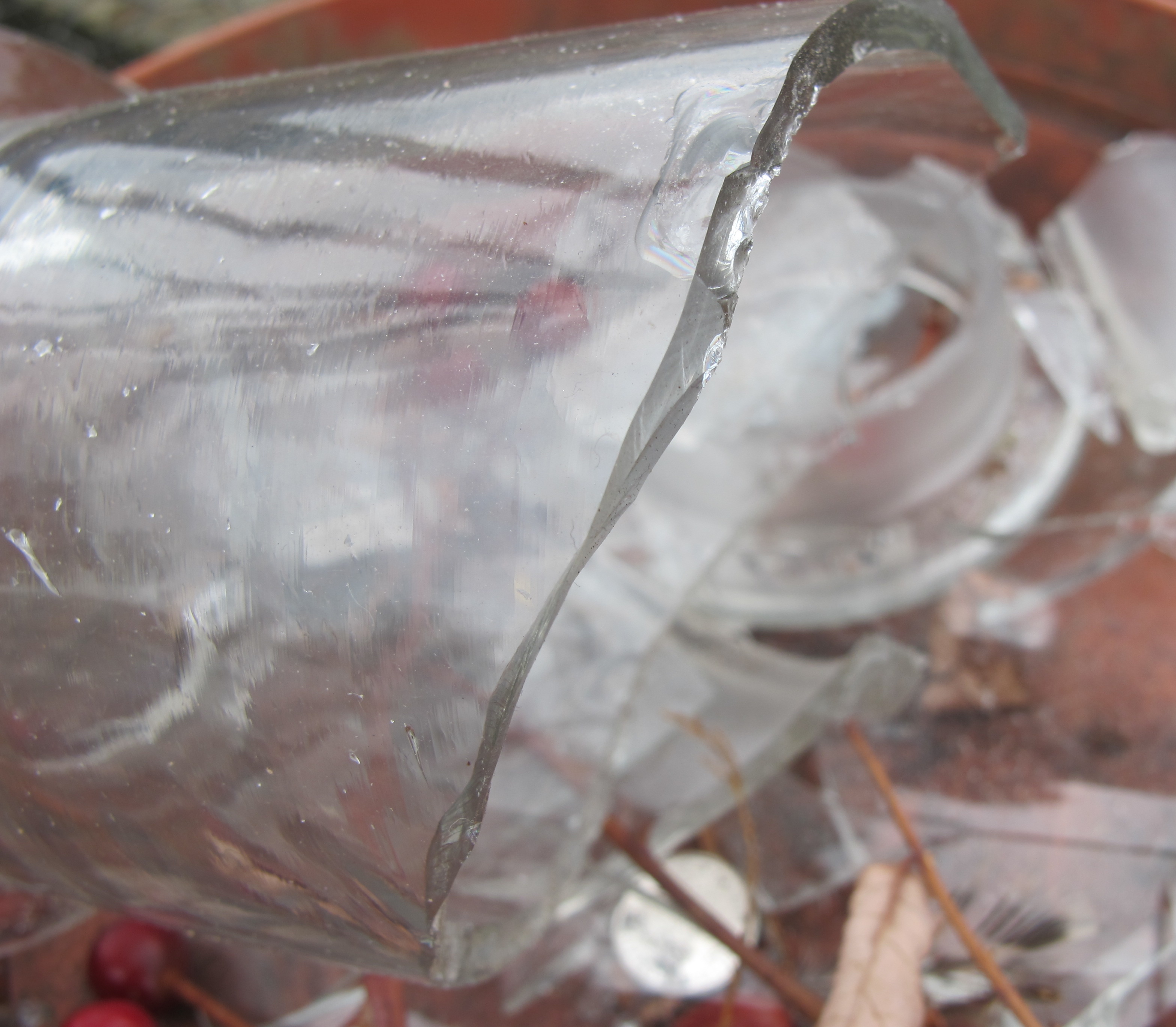
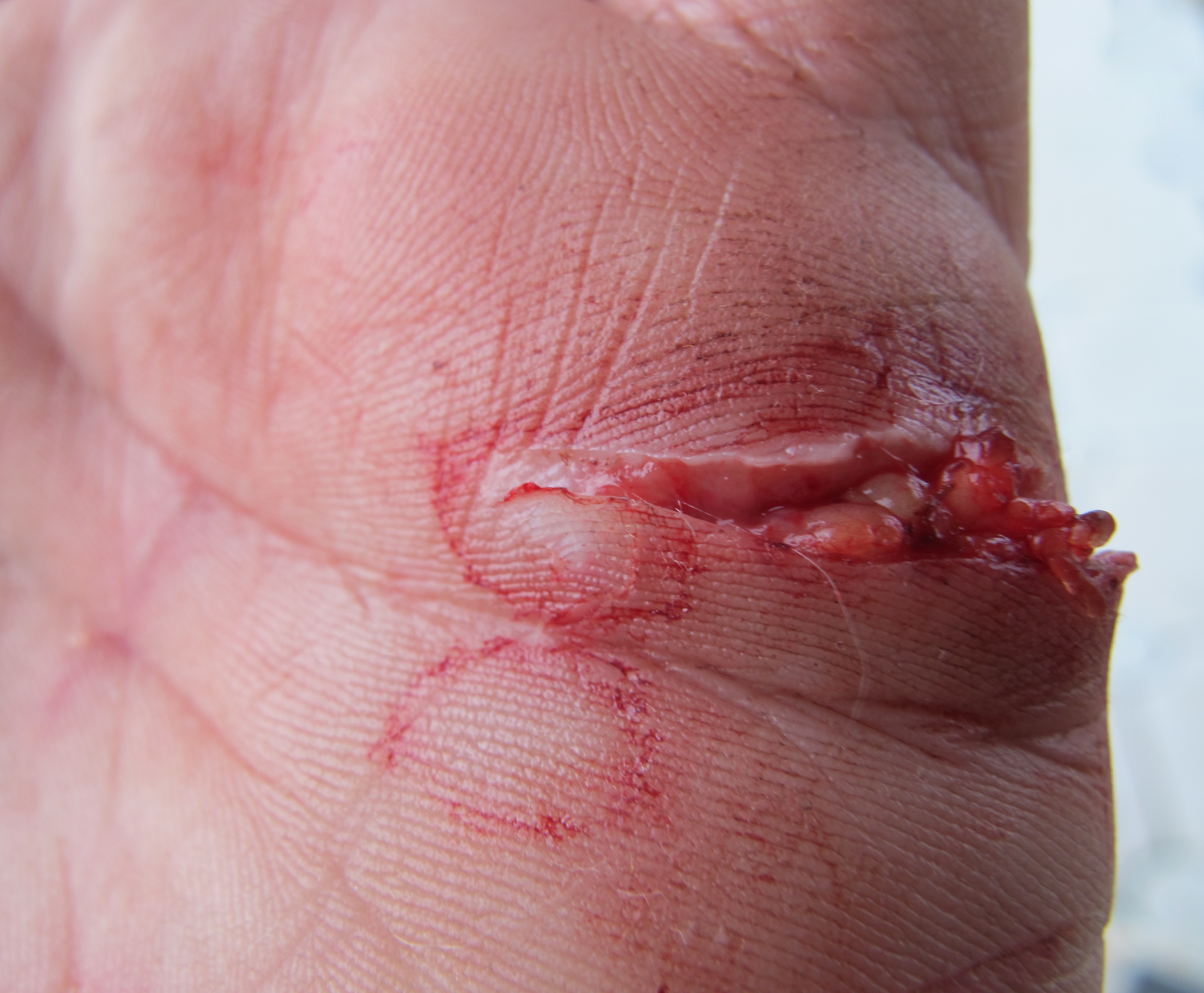
I stumbled out of bed at one am yesterday to view the moon. After a sudden lurch of the Egg to starboard I reached out in the dark to steady myself and crunched into a large vitrine of ethanol and preserved rose hips. Destroying the jar gave me quite a sting, which was sorted later when my neighbour Nick kindly drove me to hospital in Lymington. After six stitches, the nurse was pleased that he could now claim to have ‘sutured the Eggman’.
There are a few great spotted woodpeckers at work in the vicinity of the Egg. They seek out suitable hollowed trees to use as sound posts to mark out their territory. My own efforts are at about half speed and a bit low in tone to pose much of a threat to the locals.
There have been many attempts to visualise a system of the animals which in the nineteenth century tended to depict a ‘Great Chain of Being’ with people perched at the top of a tree of life. Zoologist Georg Goldfuss in showing stages of development within the animal kingdom, characterises this idea as a series of interconnected nested circles within an egg; with protozoa at the point of the widest end and ‘higher life’ at the peak of the narrowest. Transferring his diagram to the Exbury Egg, I see that I nest myself somewhere in the zone of the mollusc.
I fell asleep last night considering life as a cuttlefish and contemplating the idea that every single creature is equally evolved and important to our understanding of the interconnection of species.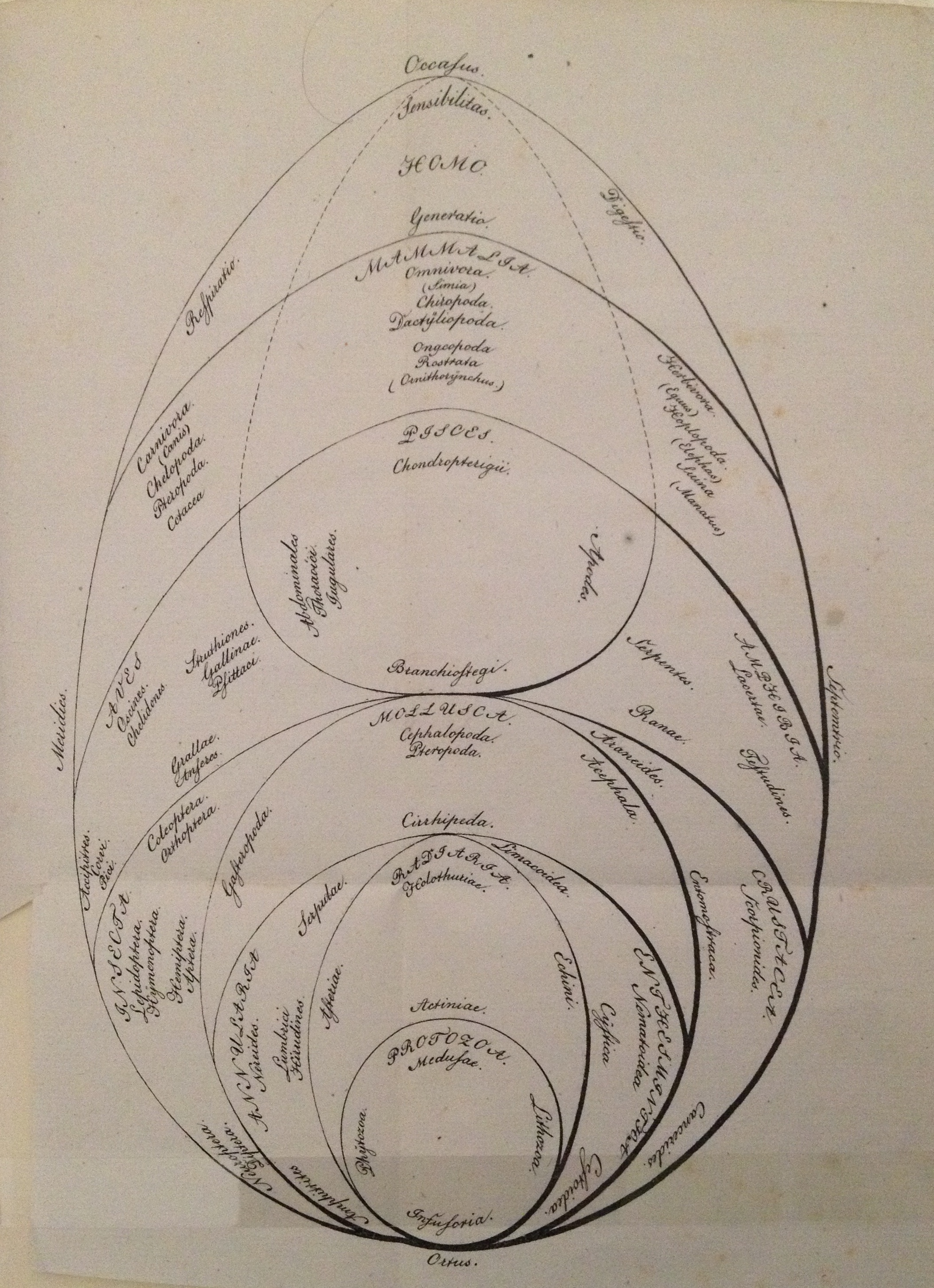
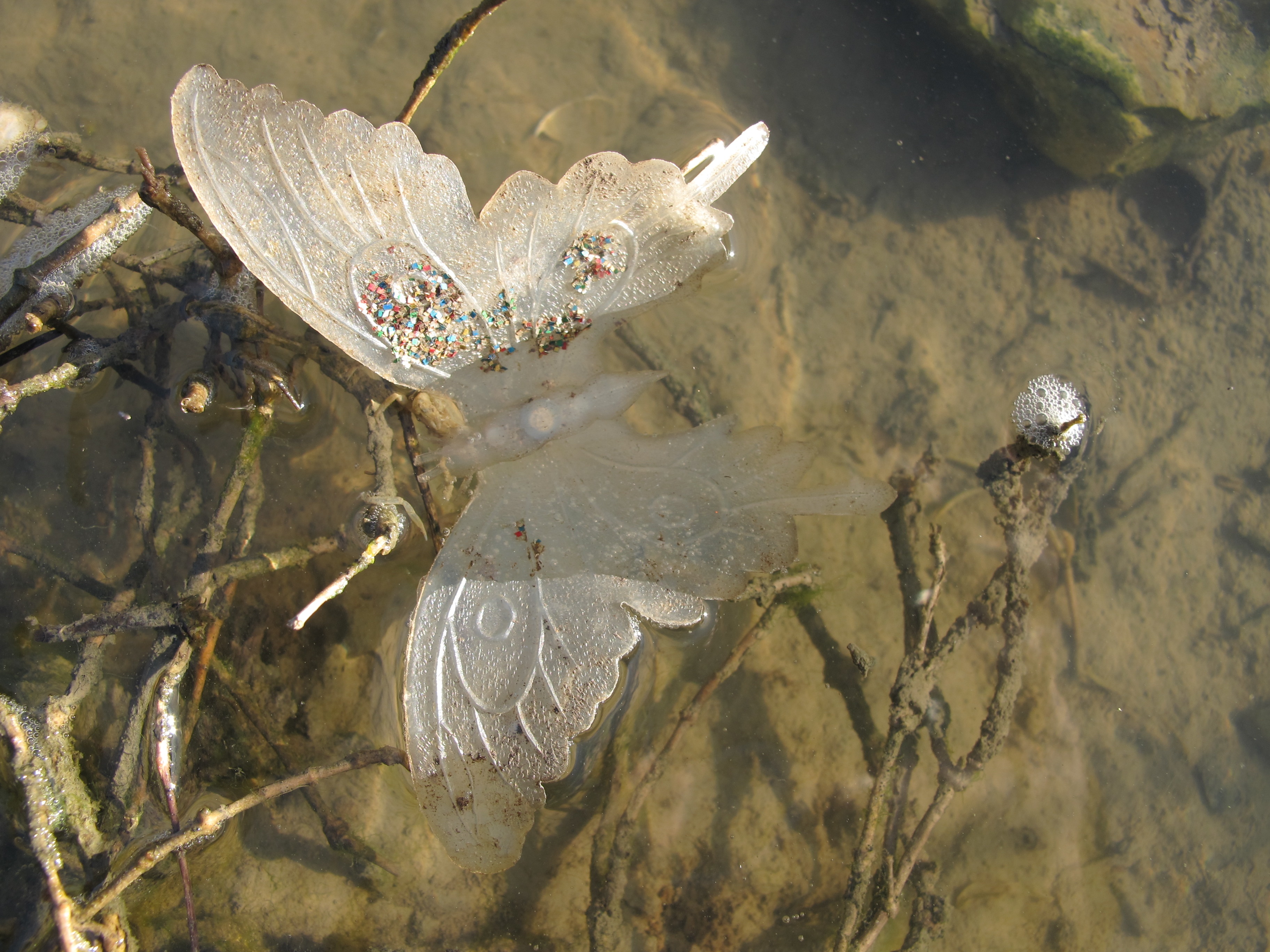
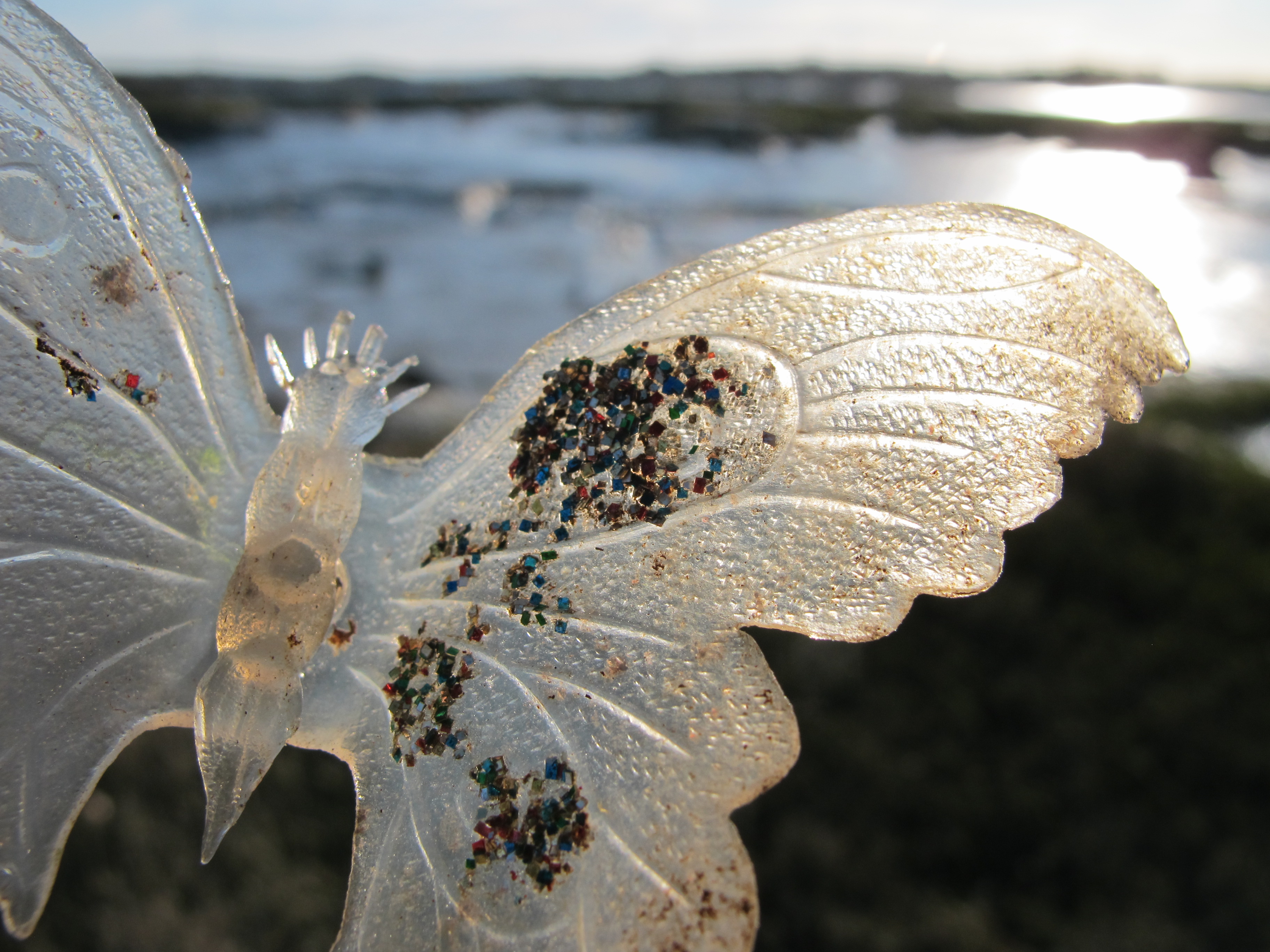
This large Chinese translucent white was found yesterday in a mud pool at 50-47-07.69N x 1-24-27.62W, left behind by the tide. It is thought to have first entered the country in large shipping containers and spread quickly throughout most of England. This specimen is not in the best condition and the upper wings have lost most of their multicoloured glittery scales, but its life expectancy runs to many scores of years in the wild unless captured and recycled.
An overwintering red admiral and a brimstone were spotted this morning but proved more difficult to capture on film.
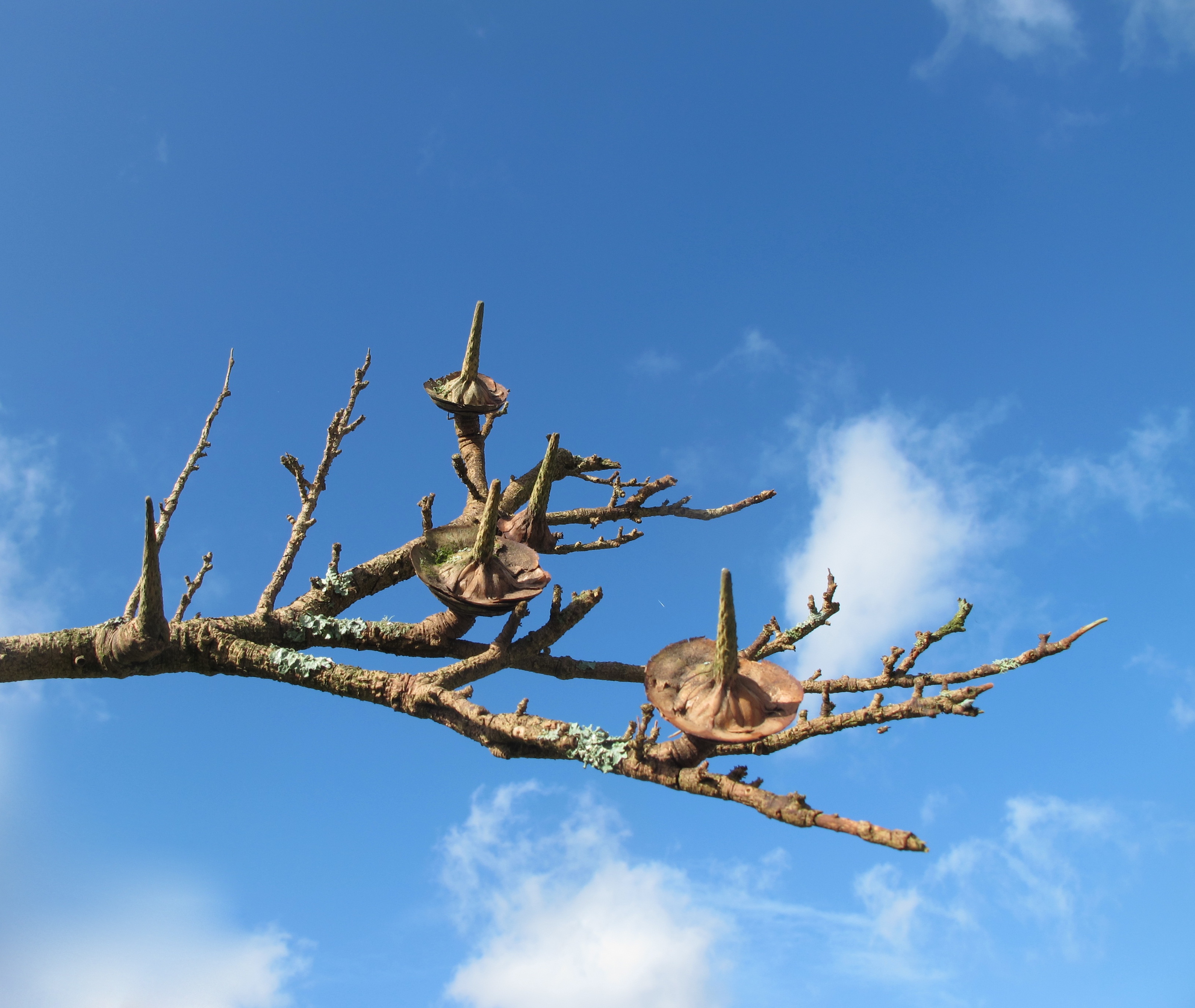
A cedar of Lebanon in Exbury Gardens gifted me the branch I needed for a ‘Christmas tree’ and has now laid a candelabrum at my feet. On a walk yesterday morning I found this weathered branch whose six eroded cones have become the spikes required to attach candles to illuminate the Egg.

The crescent of a waning moon reached out to Venus with open arms this morning, lit bright in light from a sun still lingering below the horizon and reflected in the calm water of a falling tide. The ‘two-horned queen of the stars’* embracing love, fertility and prosperity above an expectant Egg.


* In the Carmen Saeculare, performed in 17 BC, Horace invokes Luna as the “two-horned queen of the stars” (siderum regina bicornis). Ref. http://en.wikipedia.org/wiki/Luna_(goddess)

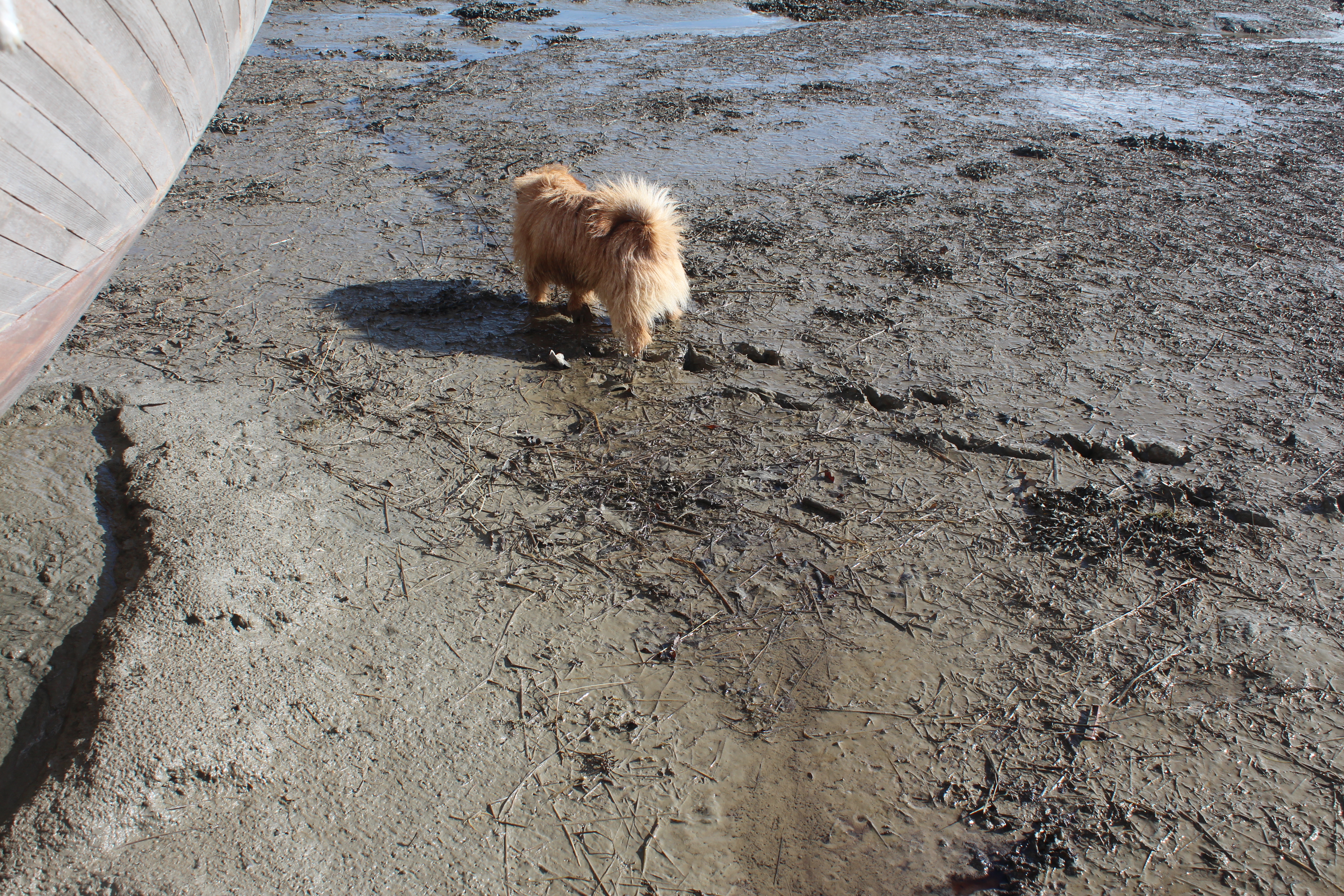
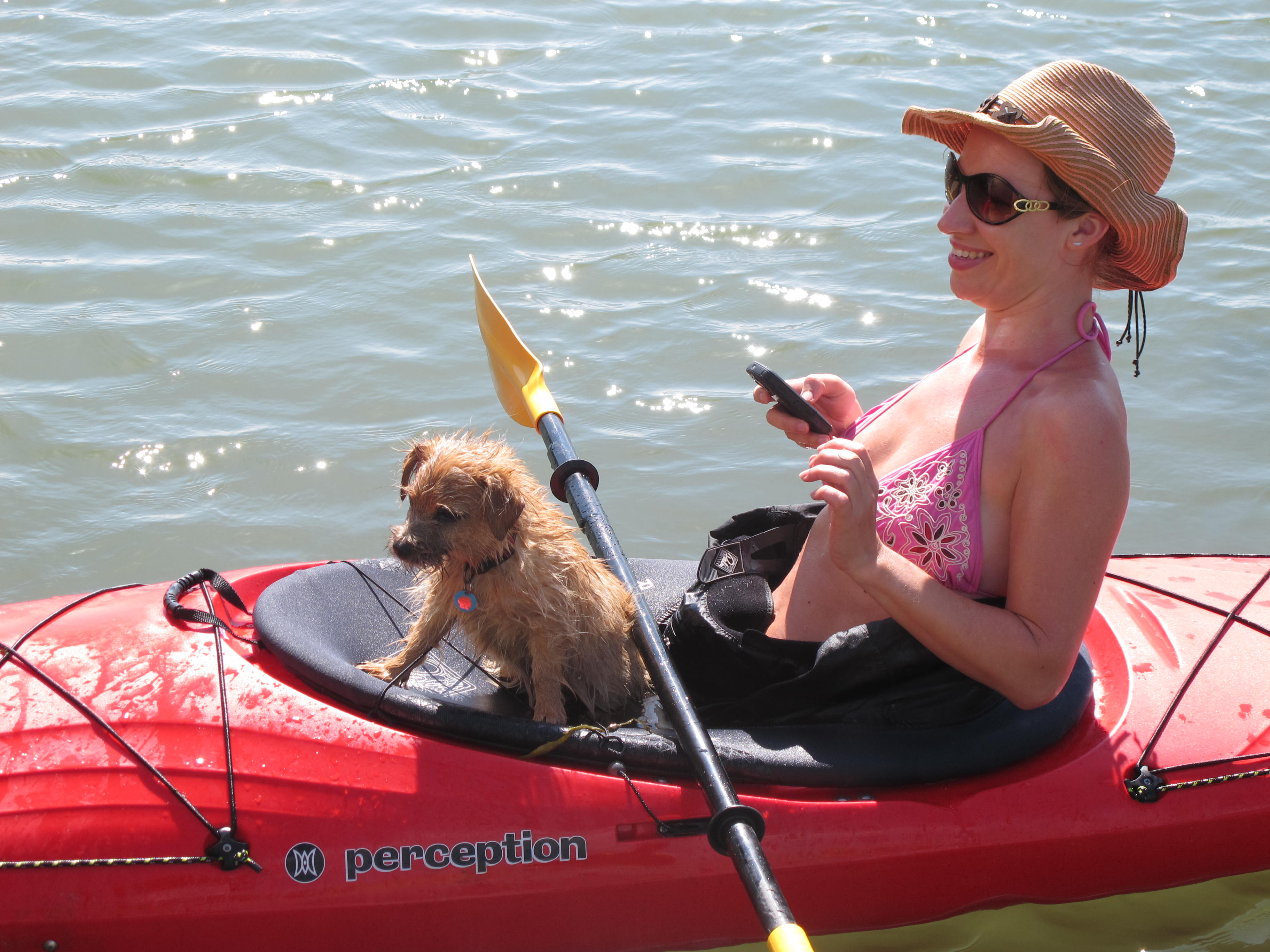
My friend Boris is a young Norfolk Terrier who lives with neighbours Nick and Caroline and he has been a regular visitor to the Egg since attending its arrival at Exbury early in May last year. Late one night in November I discovered him via the webcam, guarding washing which I had forgotten to bring in. The Egg and its environs are clearly part of Boris’s world too.



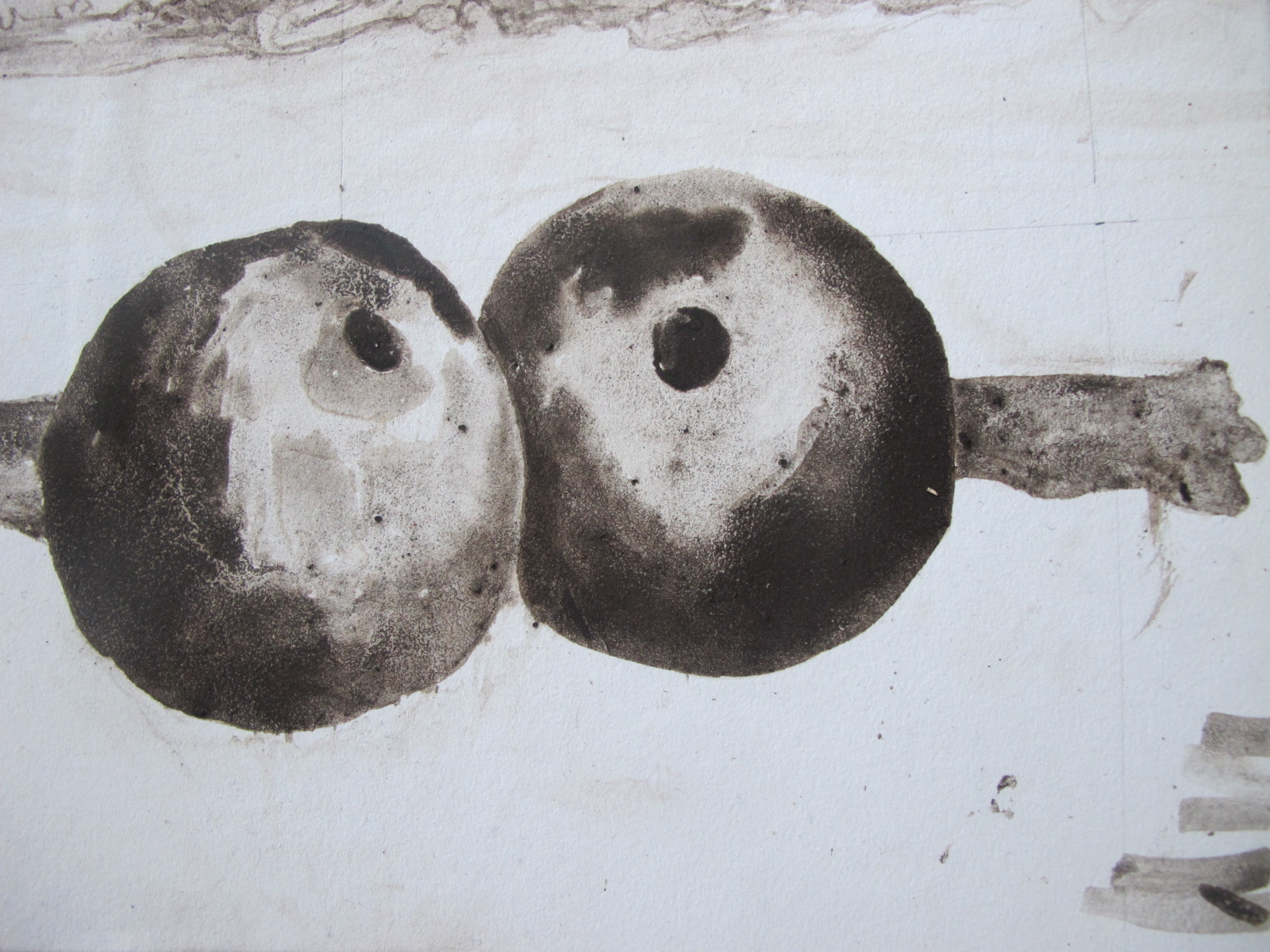
By 1830 the galls were a concern in the new Forest, where it was thought that they reduced acorn production sufficiently to have an adverse effect on Pannage* This year there was a huge crop of both galls and acorns. Beadle drawings use ink made from the galls. *ref. my blog of January 22nd.

The Gall is more often seen than its wasp, which is just 1.5 – 2mm in length.
 The Exbury Egg