Blackberry Picking 1966

BB_7044

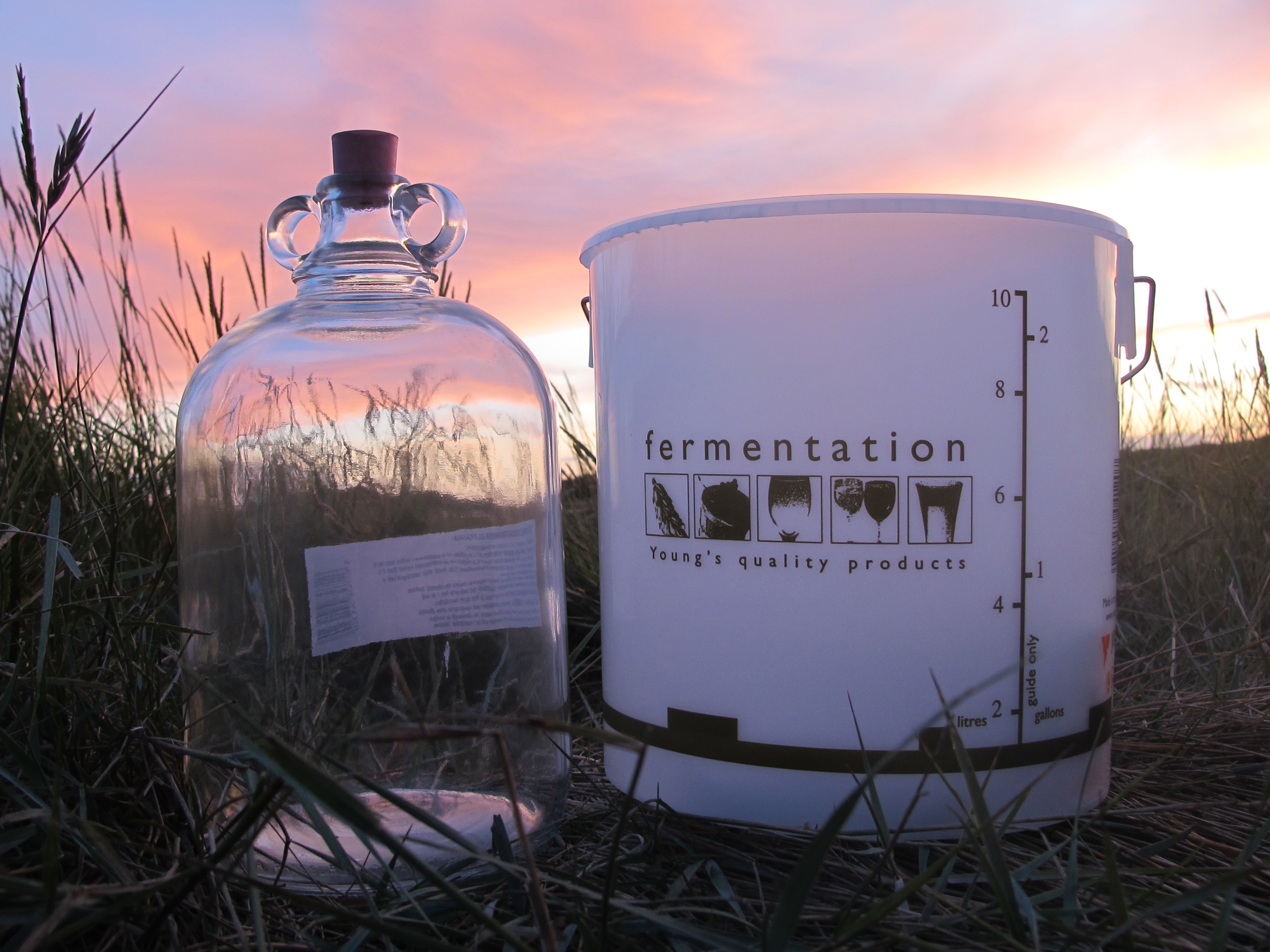
Seamus Heaney’s  poem called  Blackberry Picking was sent to me just a couple of days ago in response to my ongoing fascination with this bountiful plant, but without mention of his death at the end of August (news of which just penetrated my thin cedar walls). I walked out tonight as the sun set along my abundant avenue of fruit laden bushes, whose every stem seemed home to the green, to the ripe and to the gone to seed. Nothing’s lasts forever, except perhaps its memory.

Blackberry Picking
Late August, given heavy rain and sun
for a full week, the blackberries would ripen.
At first, just one, a glossy purple clot
among others, red, green, hard as a knot.
You ate that first one and its flesh was sweet
like thickened wine: summer’s blood was in it
leaving stains upon the tongue and lust for
picking. Then red ones inked up and that hunger
sent us out with milk-cans, pea-tins, jam-pots
where briars scratched and wet grass bleached our boots.
Round hayfields, cornfields and potato-drills
we trekked and picked until the cans were full,
until the tinkling bottom had been covered
with green ones, and on top big dark blobs burned
like a plate of eyes. Our hands were peppered
with thorn pricks, our palms sticky as Bluebeard’s.
We hoarded the fresh berries in the byre.
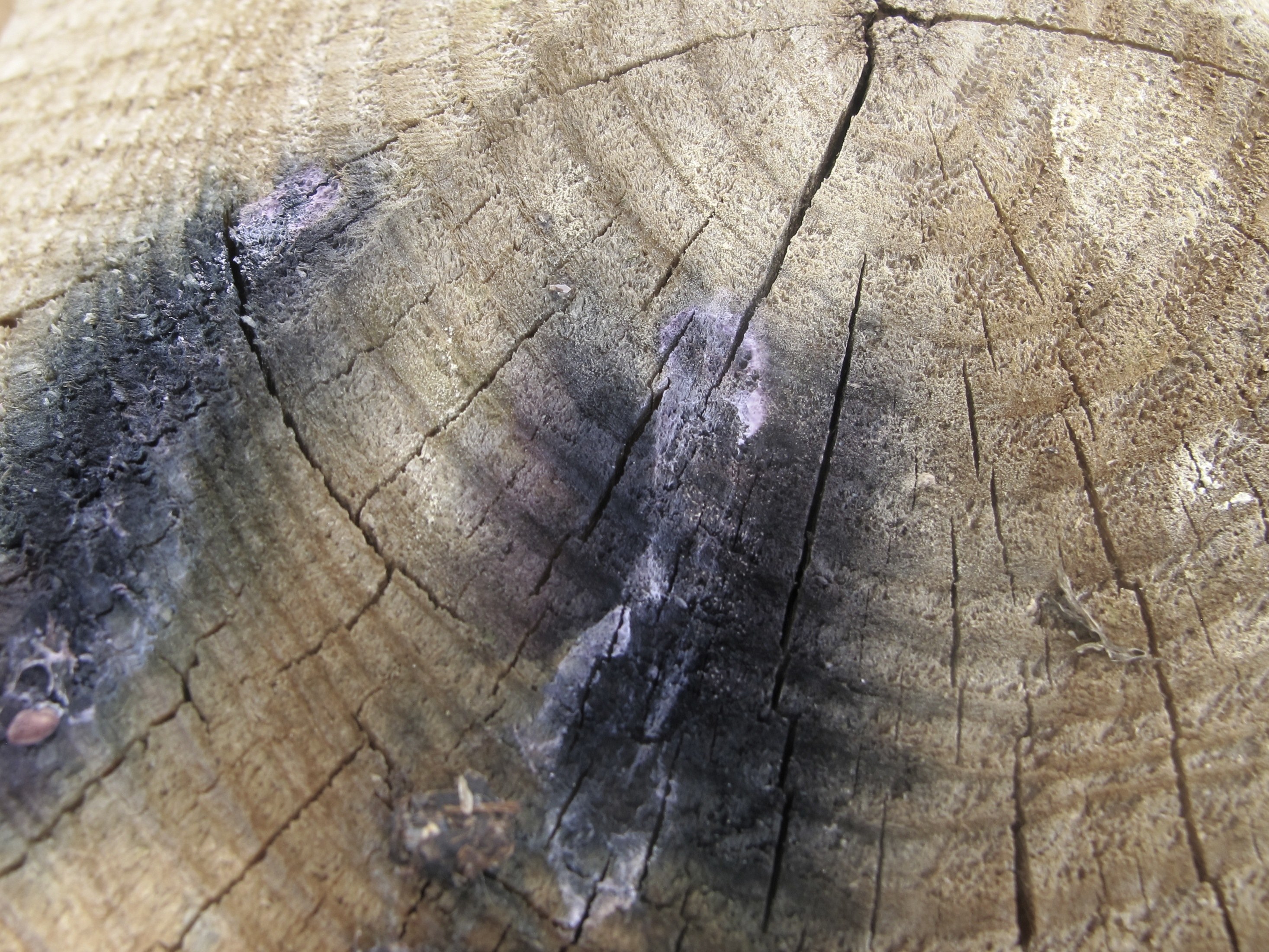
But when the bath was filled we found a fur,
A rat-grey fungus, glutting on our cache.
The juice was stinking too. Once off the bush
the fruit fermented, the sweet flesh would turn sour.
I always felt like crying. It wasn’t fair
that all the lovely canfuls smelt of rot.
Each year I hoped they’d keep, knew they would not.
‘Death of a Naturalist’  1966  Seamus Heaney

Marshmallow

IMG_7563

Marshmallow rises up through the tall grass within twenty metres of the Egg (N 50˚47.142′  W 001˚24.449′). The French began to use pith from the stems of this plant, boiled with sugar, as a chewy sweet in the 19th century. They later tried whipping the pulped roots with egg white and rose water to create the light airy confection that todays purely sugar and gelatine marshmallows are derived from. The plant may be scarce in this environment and need to be left untouched, but if more are found nearby I will make my own confection as an after dinner treat –  and as a further reminder of our long cultural relationship with all that is living around us.

Unknown-1

Yellow Sentinels

marshsowthistle_6514
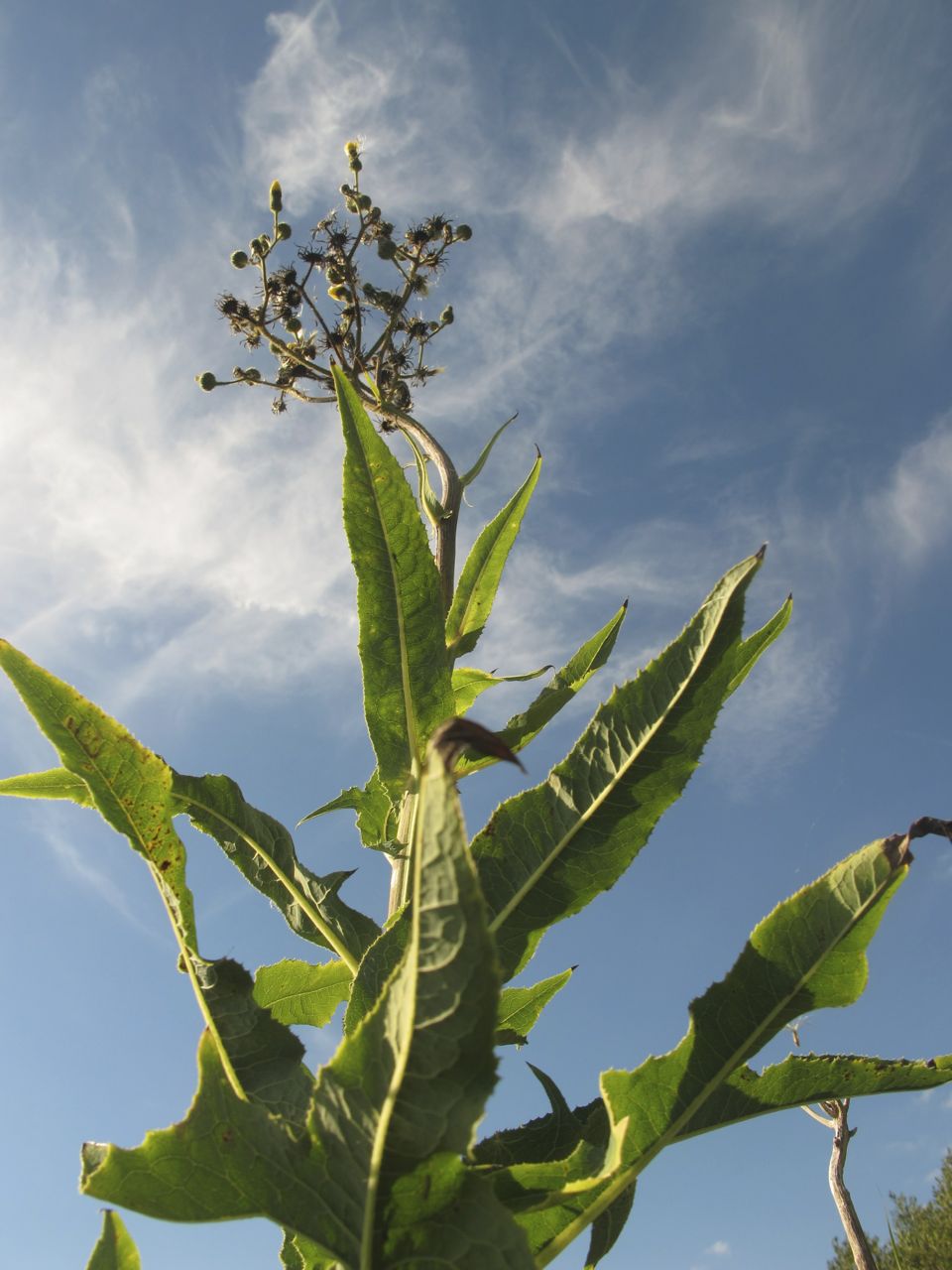
Standing sentry beside The Gateway to the egg are a row of ten tall marsh sow thistle. It is a nationally scarce plant undergoing significant decline and disappearing from most parts of England as its preferred floodplain habitats change. I have observed it in small patches all along the parish boundary west of the egg as it raises itself above surrounding reeds, grasses and brambles. Last year’s dry shoots remain petrified beside the current generation and whilst the plants are all mostly seeded and spent, the long summer is raising up new yellow buds for my continuing enchantment.
Reading reveals that they have been observed beside the Beaulieu River for many years and could be indigenous to this particular place.
marshsowthistle_6477
 The Beadle is back on Station.

Canada Geese

IMG_7603

Around one hundred and fifty Canada geese arrived yesterday in the early evening, appearing from the direction of the Isle of Wight.  They were letting everything and everyone know they were coming with that raucous, noisy honking that ripples too and fro throughout the flying flock. Two small resident groups already here, frequent a pond on farmland adjoining Exbury Gardens and it is beginning to feel like the start of a Canada goose convention. I watched a pair of shell (shocked) ducks seemingly retreating out of their way.

These naturalised Canadians first settled in England in the 17th Century when they were introduced as attractions in the gardens of country estates and perhaps our local flocks still have some distant race memory of ornamental forebears on the Exbury Estate? I shall have to ask if any were ever kept hereabouts.

Everyday Events (Sunset)

The sun set toward Beaulieu in beguiling fashion yesterday evening as I recorded the event to test the GoPro camera’s capacity for time lapse photography from a bright to no light situation. I will need use a different camera to shoot the night sky. The sun goes down every day in greater or lesser glory, but what is really happening in the air it shines through and on land and water here in my parish below?

A Measured View

IMG_5909 IMG_5910

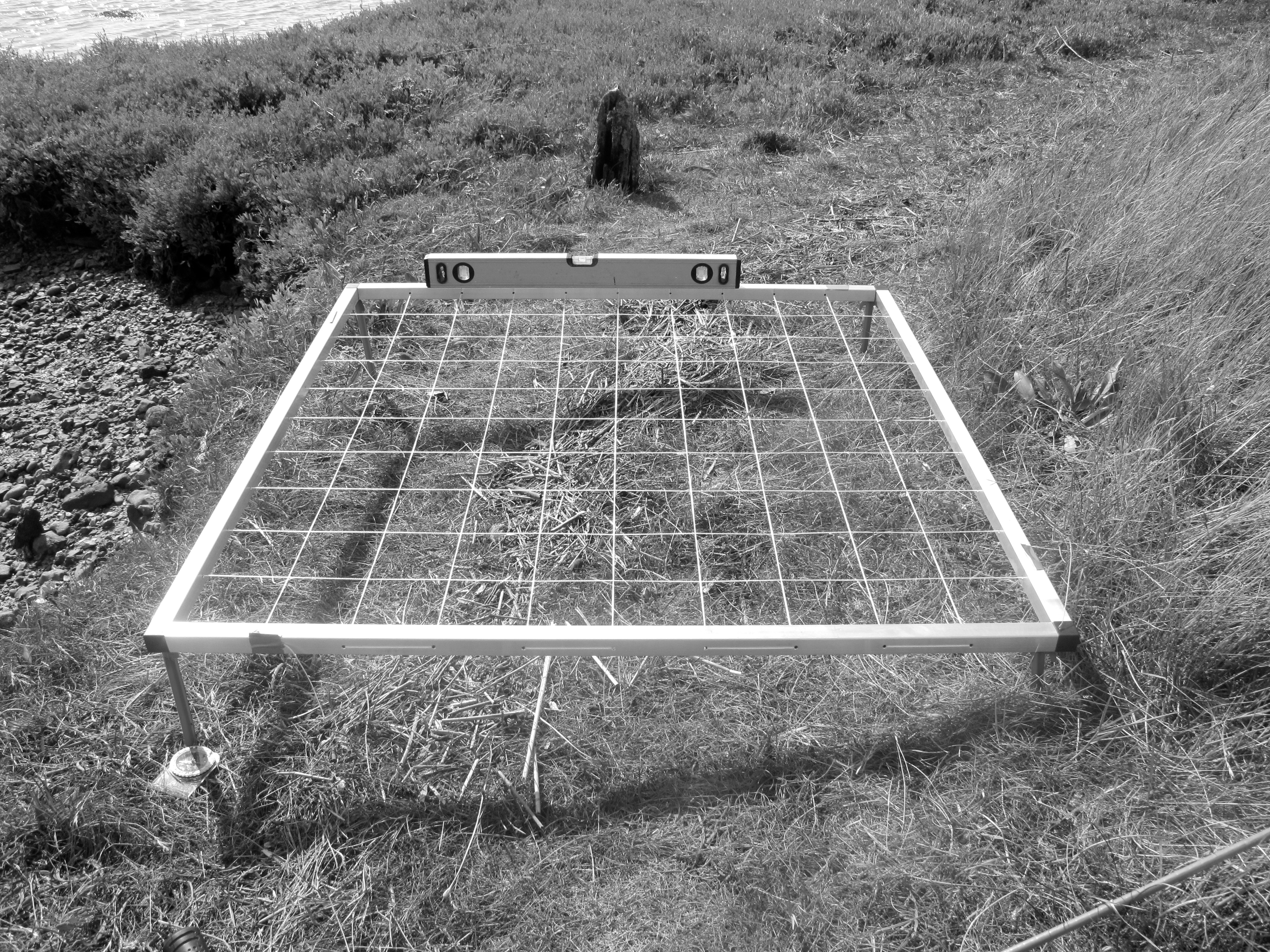
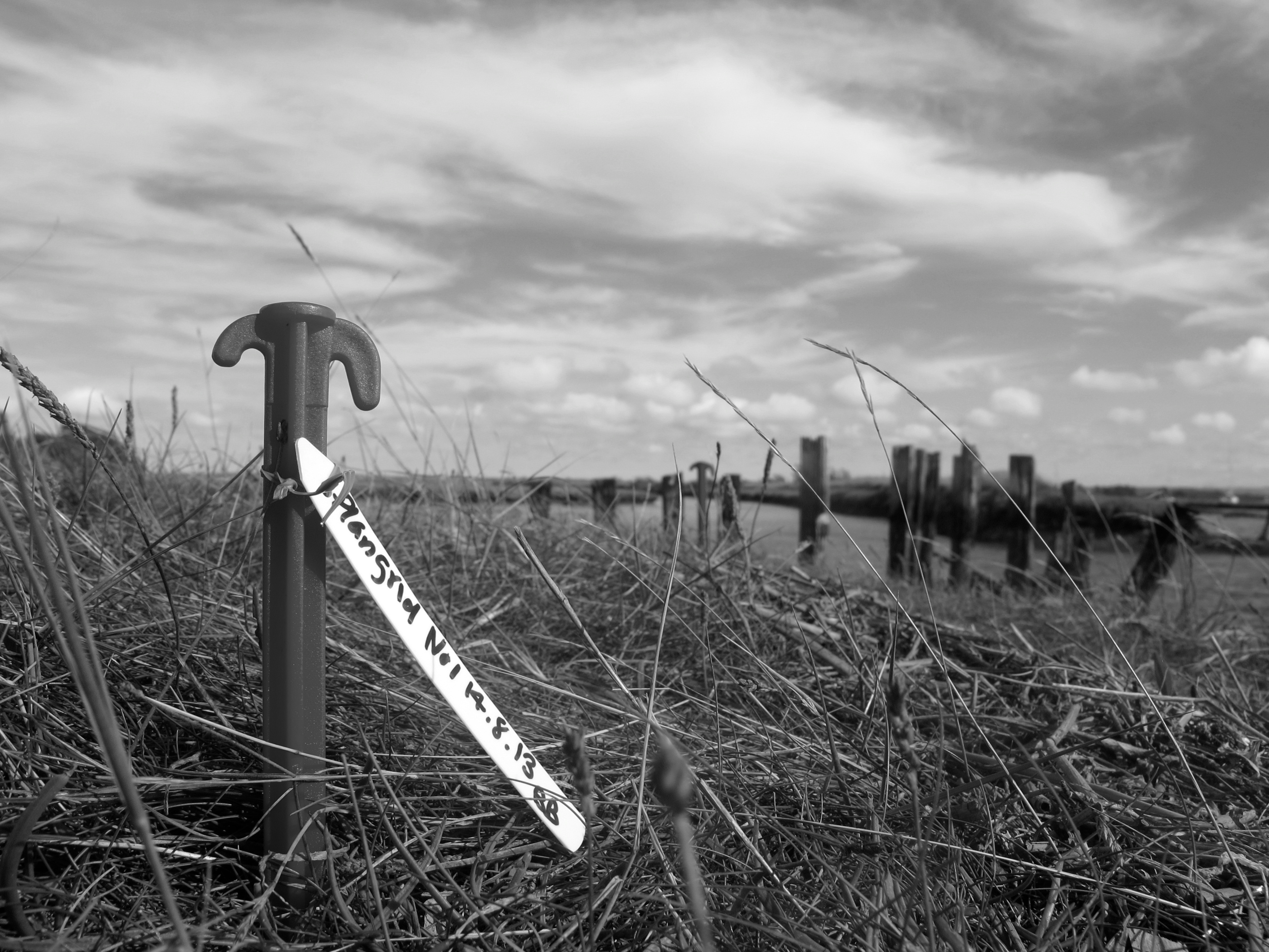
The land is relatively vast in proportion to capacity for observation and reflection,  so I am considering different means to focus my looking. Borrowing the principle of the planning grid from archaeology which is employed to trace layers in the land peeled back in time, I will observe the present surface and its future changes.

A square metre is just one stride out of thousands made in a single day and so different locations along the littoral must be strategically chosen. It feels like a good way to begin contemplation of whatever washes up, lives and dies, or erodes within such tiny windows onto the world.

This window is at N59˚47.129′ & W001˚24.453′ and my Garmin cannot quantify if it is at three or one foot above mean sea level. The ‘spirit’ level is of as much interest to me.

IMG_5963

IMG_5931

IMG_2354