
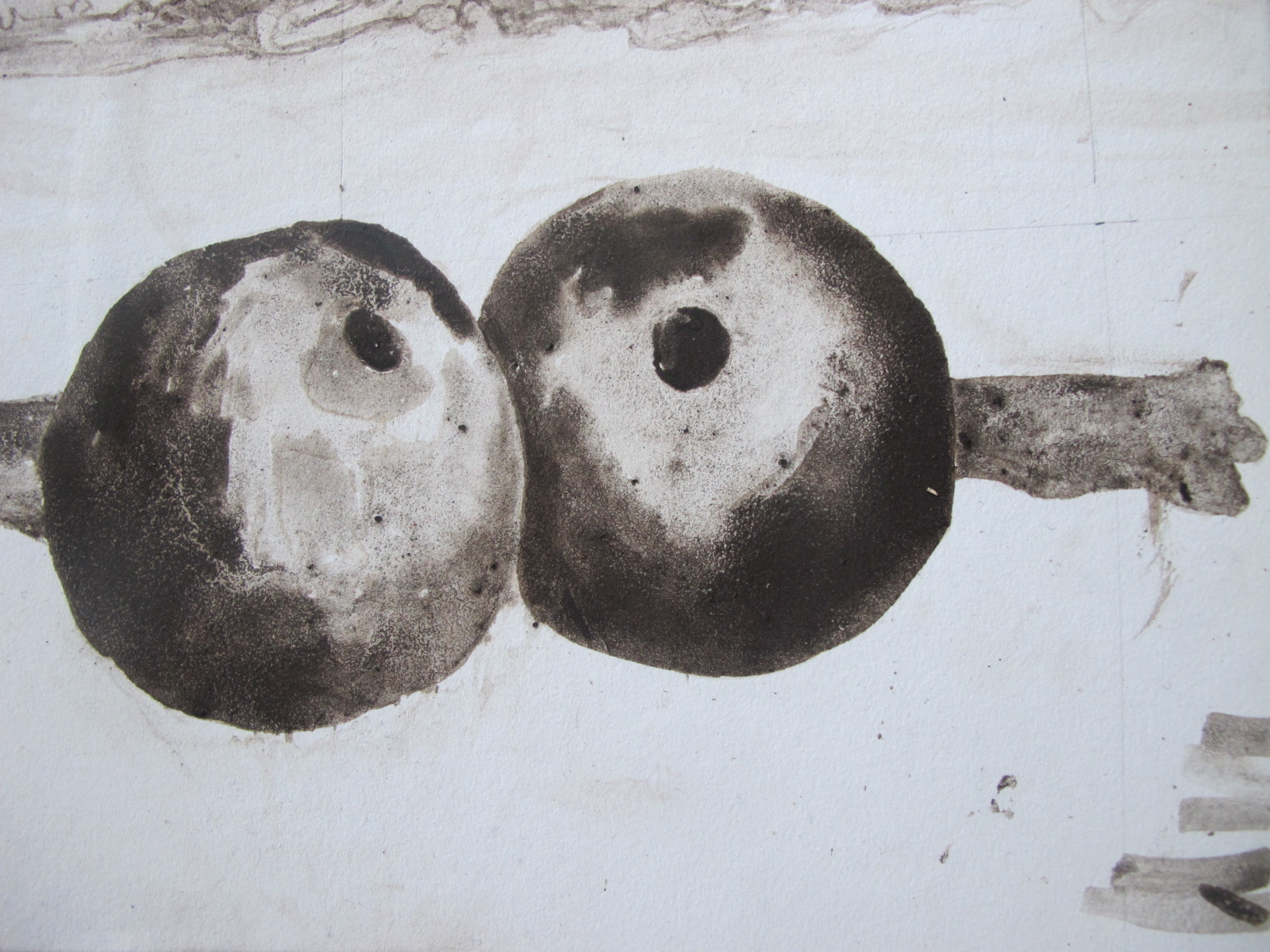
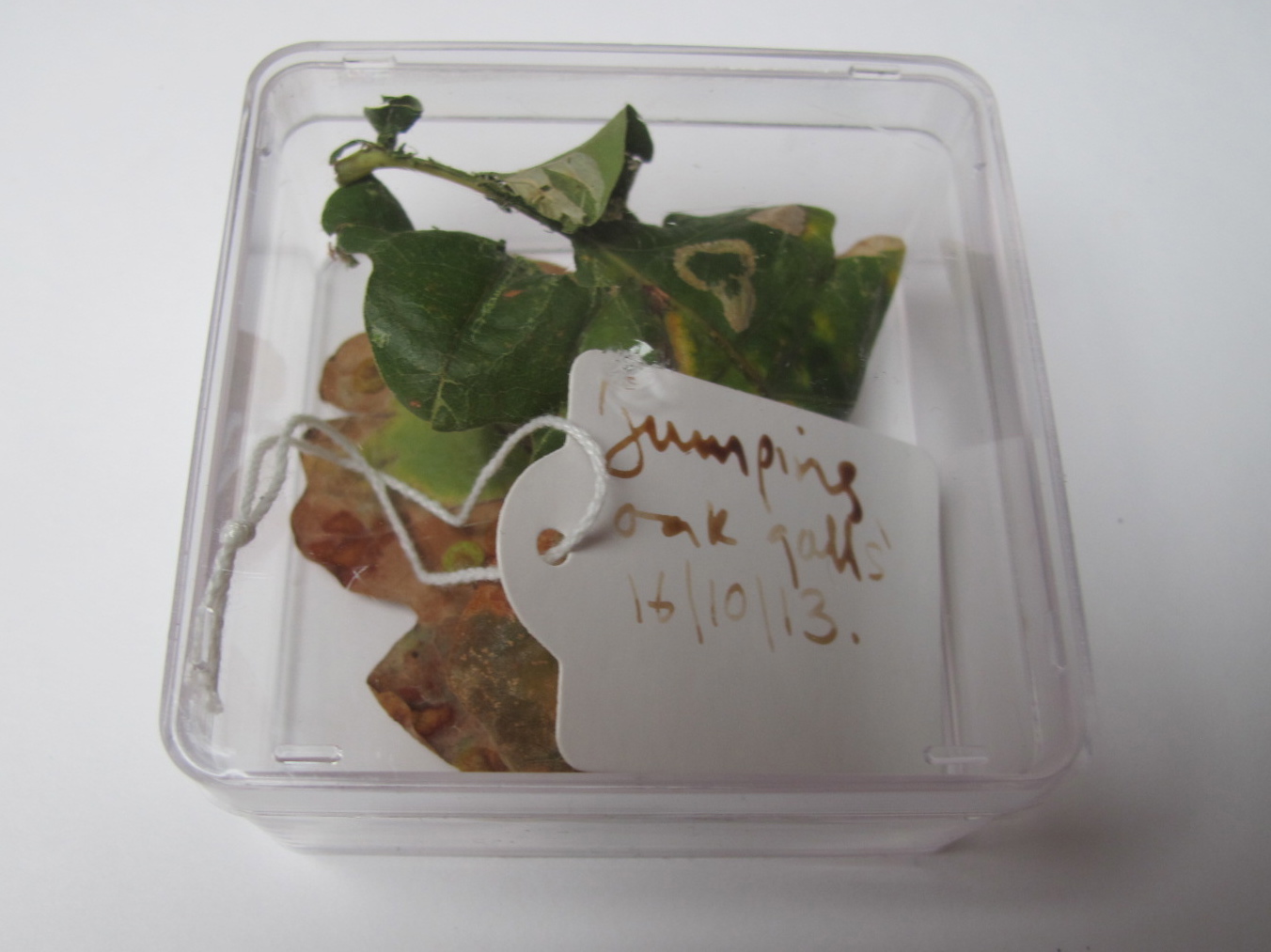
I spent all morning studying Andricus Kollari, the tiny parasitic wasp whose eggs cause the marble oak galls on both scrubby oaks growing beside my own Egg. The life cycle of the wasp requires the presence of a Turkey oak which first grew in the UK before the last glacial period around 110,000 years ago and was reintroduced in 1735 as an ornamental tree. Nearby Exbury Gardens has its own mature examples.
‘The developing spherical galls mature in August and each has a central chamber, with a single female wasp larva of an asexual generation, which emerges through a ‘woodworm-like’ hole as an adult winged gall-wasp in September. These asexual females lay unfertilized eggs in the embryonic bud leaves of the Turkey oak, with galls slowly developing during winter, and visible in March and April as small oval structures between the bud scales, looking like ant’s eggs. The emerging adult gall-wasps in spring are the sexual generation, producing both males and females, which fly to the common oaks to initiate the formation of the summer marble gall.’
http://en.wikipedia.org/wiki/Andricus_kollari
By 1830 the galls were a concern in the new Forest, where it was thought that they reduced acorn production sufficiently to have an adverse effect on Pannage* This year there was a huge crop of both galls and acorns. Beadle drawings use ink made from the galls. *ref. my blog of January 22nd.

The Gall is more often seen than its wasp, which is just 1.5 – 2mm in length.










 The Exbury Egg