Ochre Springs

IMG_8182

IMG_8154

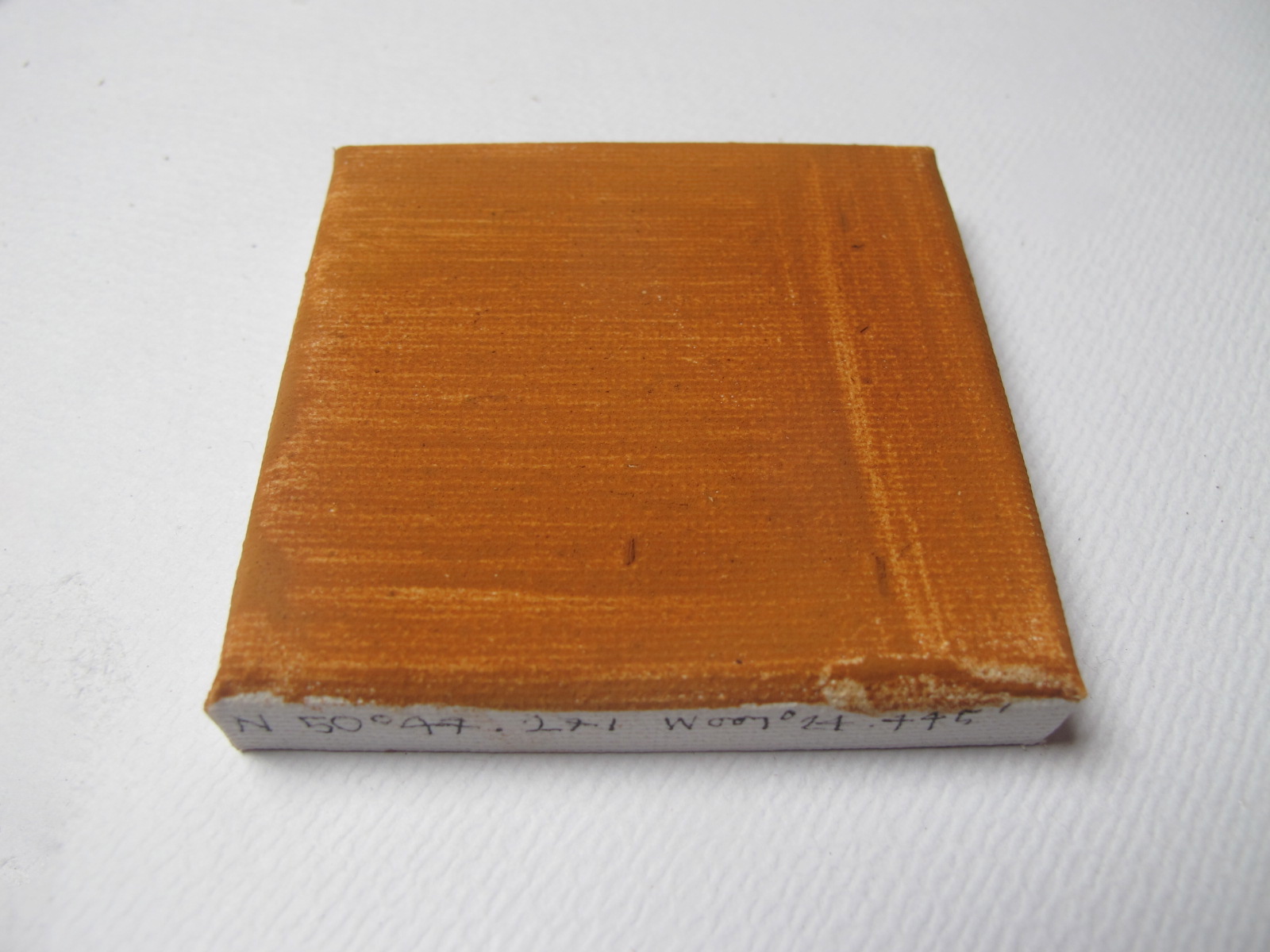
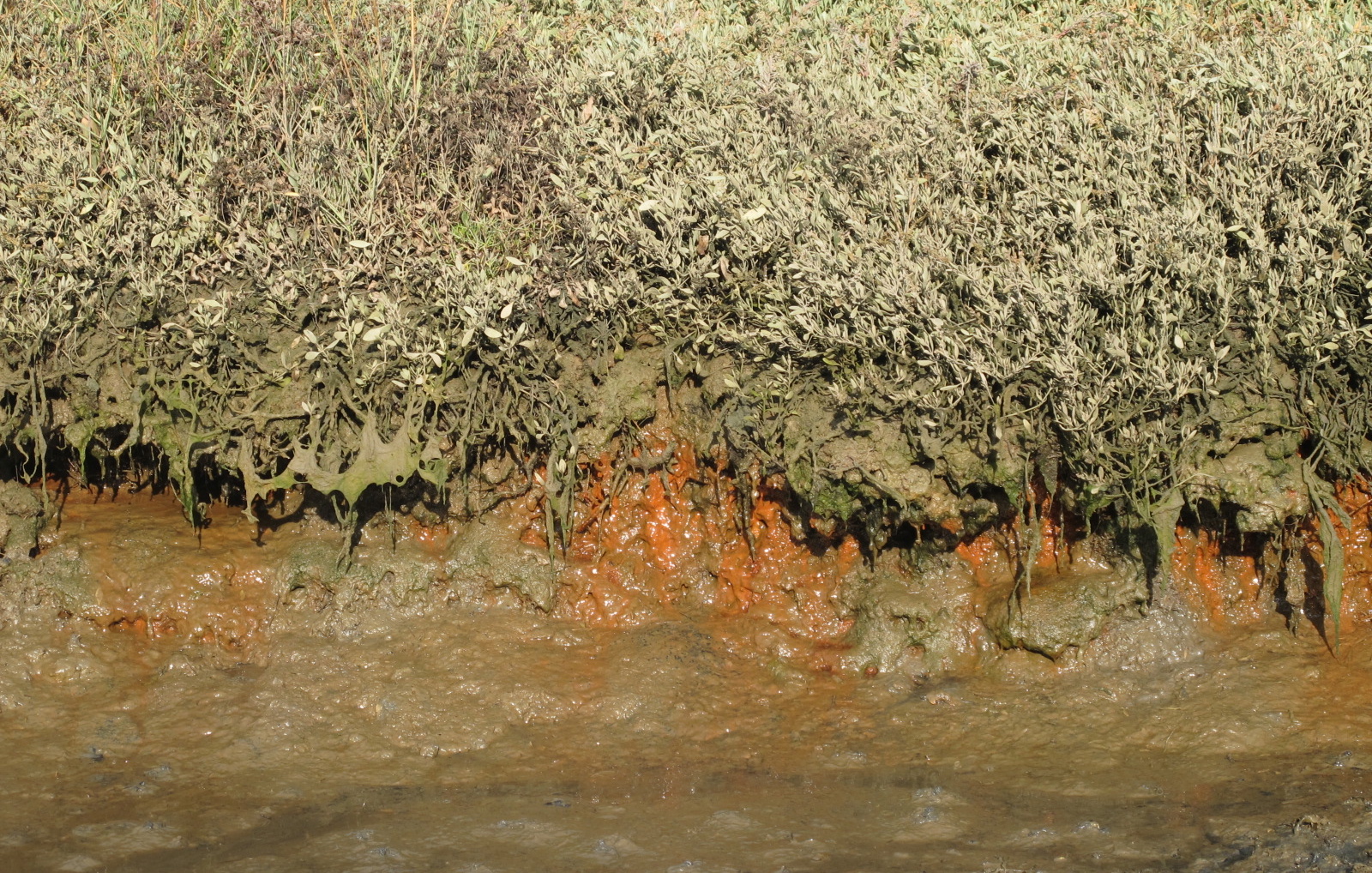
Oily looking ferrous reds stain the greyer mud of the marsh edges at different locations within the immediate Parish bounds. University of Southampton research concludes these are ‘ochre springs’ of ferrous hydroxide colloids emerging from alluvial sediment and the clays, marls and gravel of the later Eocene period 33 million years ago. This brush with the geological strata will continue to colour my thoughts.

IMG_8172 IMG_8176 IMG_8177 IMG_8163

8BLR-Beaulieu-River-old-survey

The Tilley Hat

IMG_8140

I discovered this Tilley Hat on a foreshore walk this afternoon at N 50˚ 47.327′ x  W 001˚24.384′.  Alex Tilley was born in 1938 in Mount Albert, Canada and graduated from the University of British Columbia.  He worked as a self employed arts consultant while designing hats as a hobby, before making a business of his pastime.

The description printed on the inside label, would suggest that it is a hat capable of surviving on the river for a very long time. Perhaps I should appropriate it as a part of my autumn collection of Eggwear and reclaim one of Mr Tilley’s hats for art.

IMG_8143

Fish Tales

IMG_7969

IMG_7964

IMG_7962

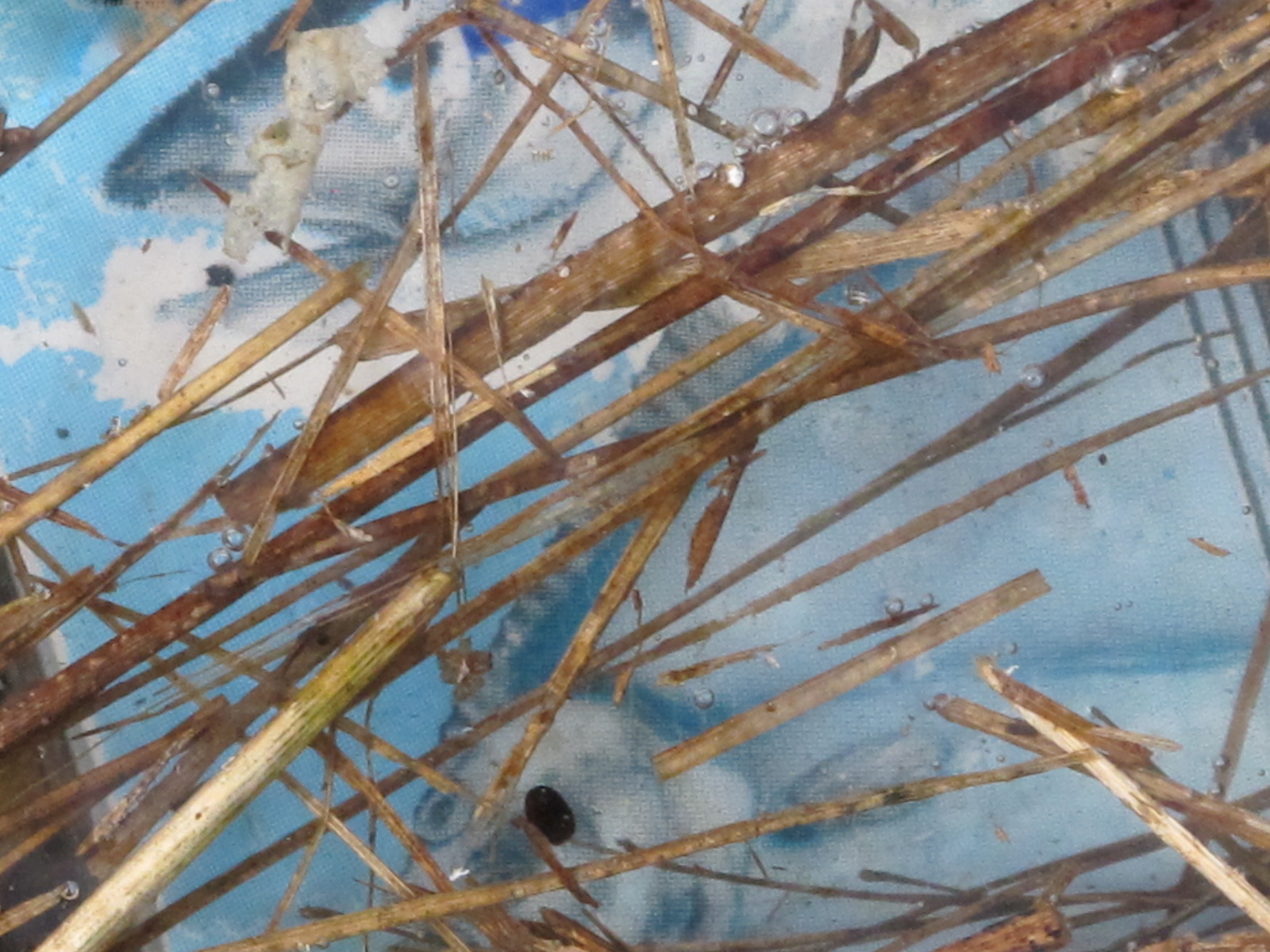
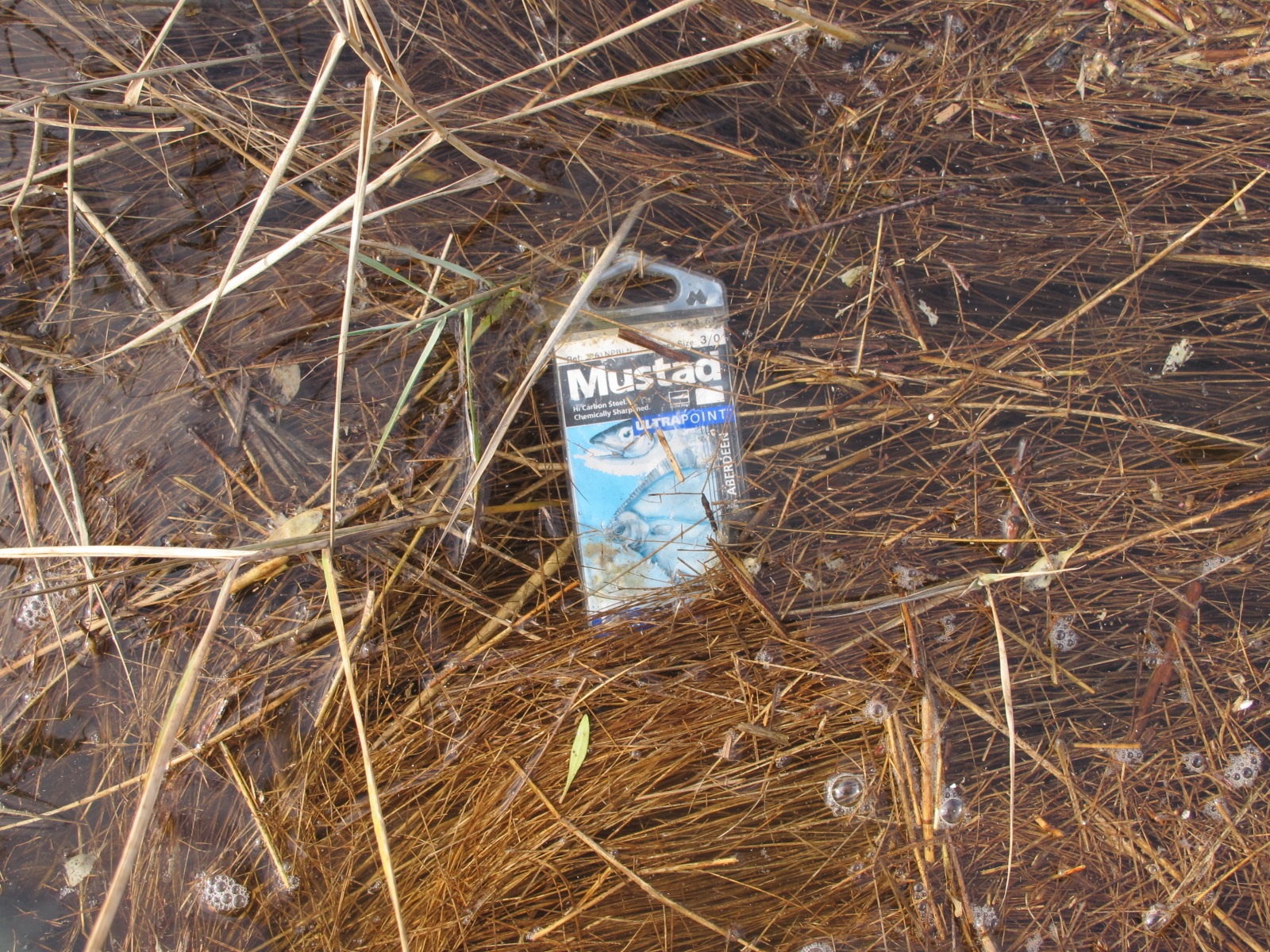
An empty packet of Mustad Aberdeen precision fish hooks is on the foreshore nearby at N 50˚47.172″  x  W 001˚24.489″. The fish depicted on the washed out pale blues of the packet are easier to capture on film than the fleetingly glimpsed grey mullet that swim around the Egg at each high water.

Tibellus Maritimus

IMG_7995

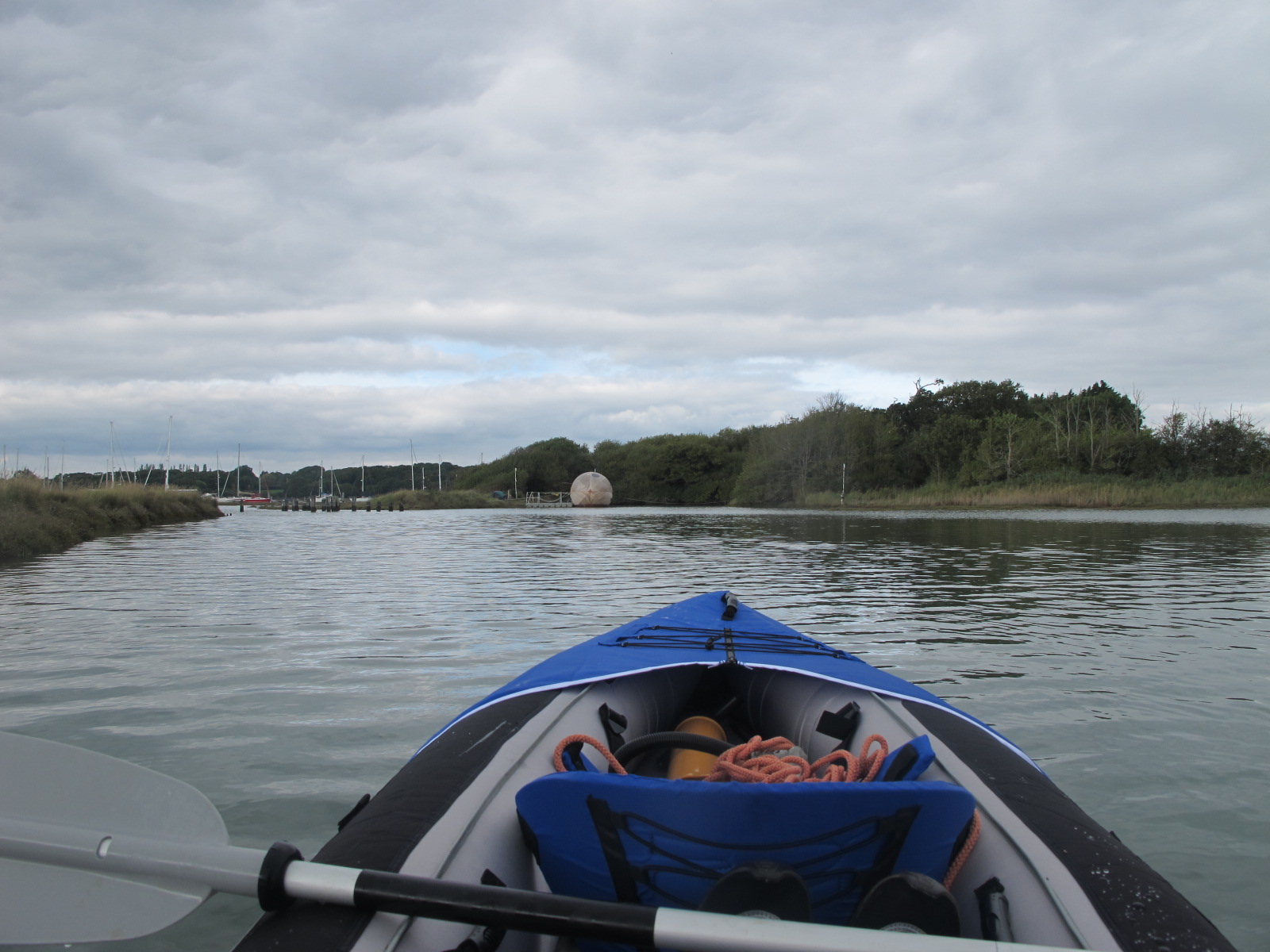
The arrival of an inflatable kayak has allowed preparations to begin for exploring the wider bounds of the Beadle’s Parish. On washing down the craft after its first trial on the water I discovered a hitch hiking spider associated with these wetlands in the passenger seat- tibellus maritimus. These elegantly slender spiders do not weave webs, but hunt their prey in the long grasses of their salt marsh home.

Hips

IMG_7450

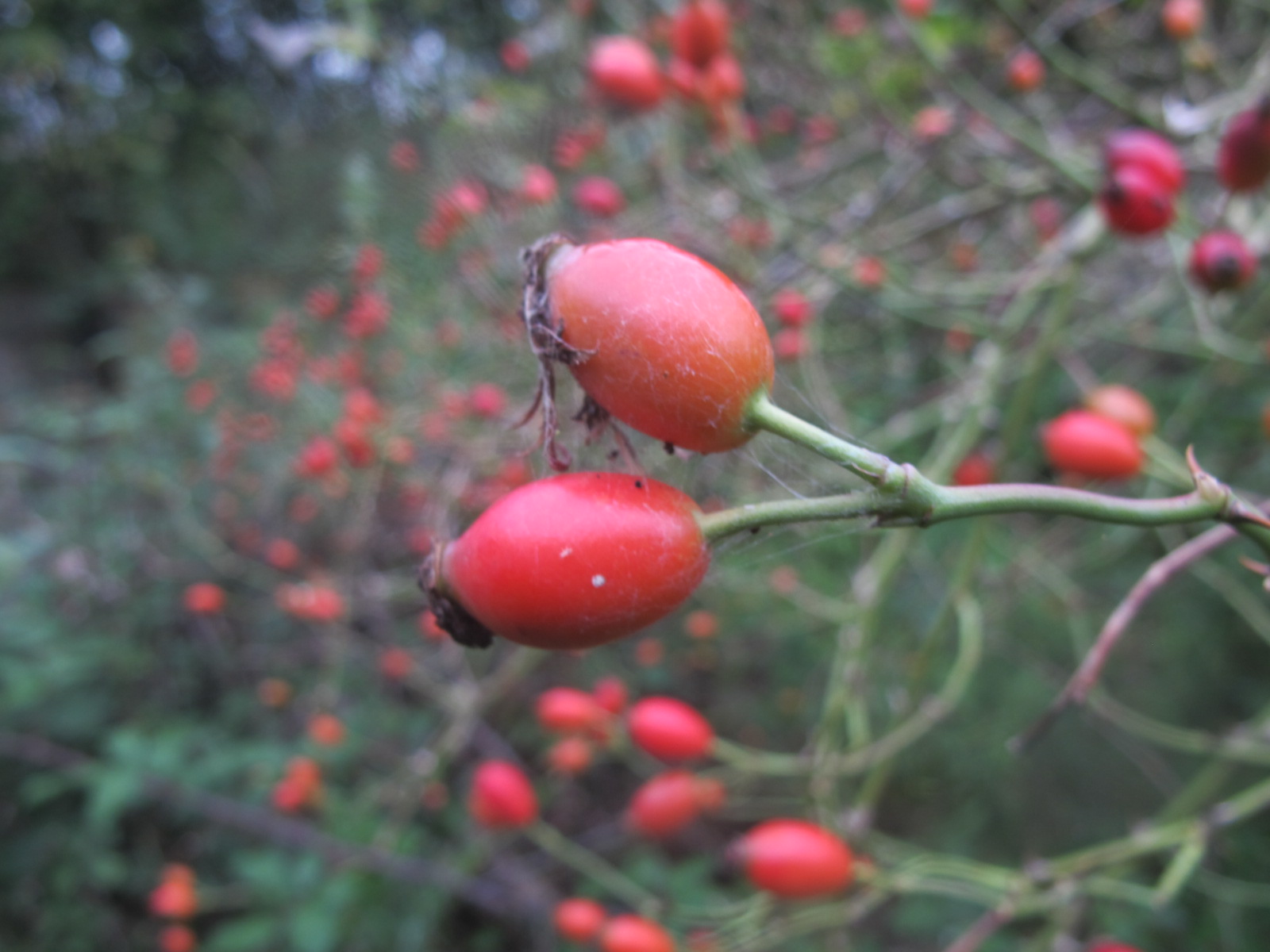
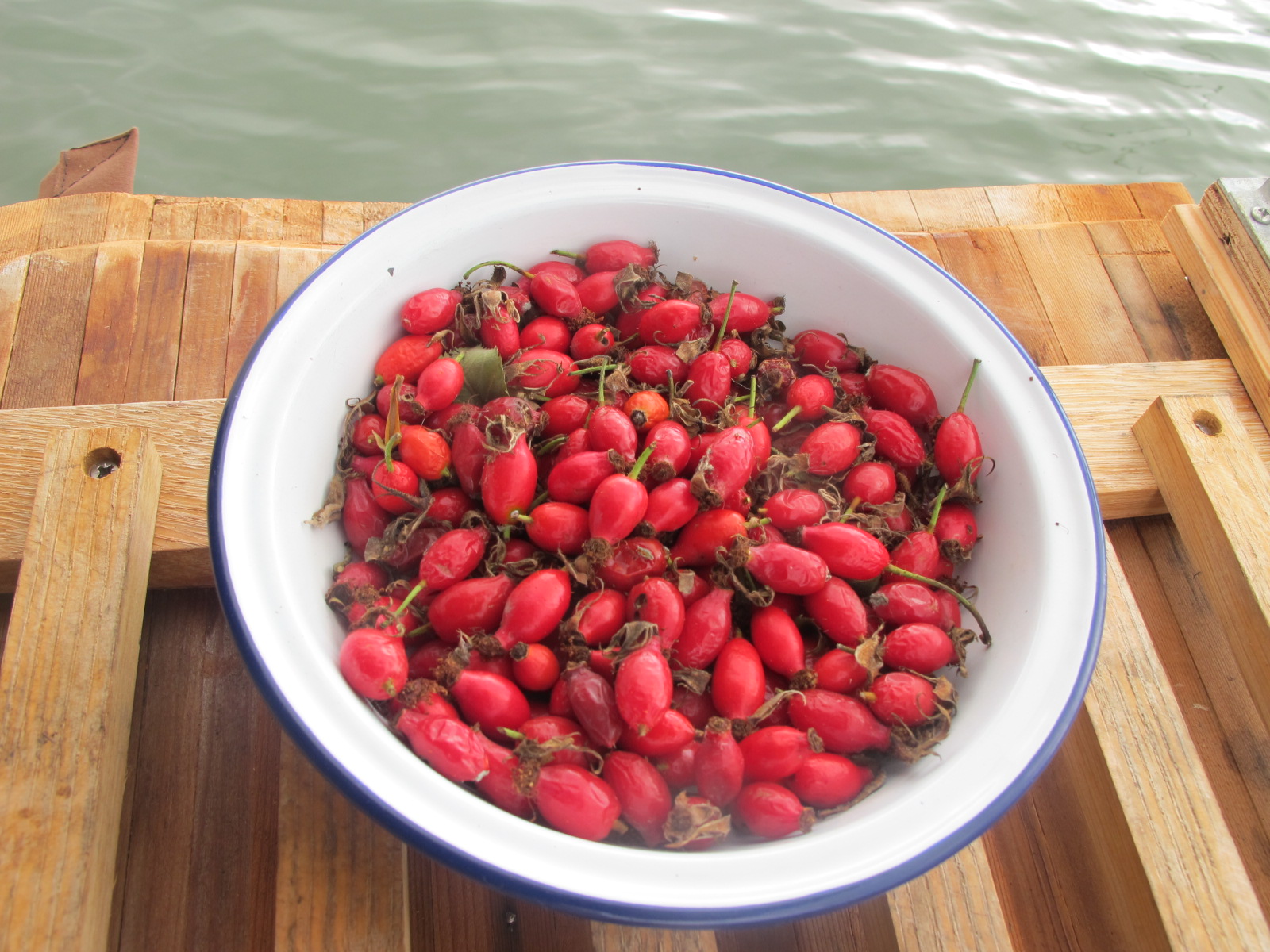
I have begun to collect hips in order to make rose hip syrup for the Egg kitchen. There are abundant fruits on the thorny stems of dog rose mixed in with Blackthorn and Blackberry that surround a nearby anti-aircraft gun emplacement dating from the last war. During the Second World War such local bushes were sought out for their hips as part of a national scheme to produce rose hip syrup, which is 20% richer in vitamin C (by weight) than oranges. Fresh fruit was in short supply due to the disruption of trade by sea.

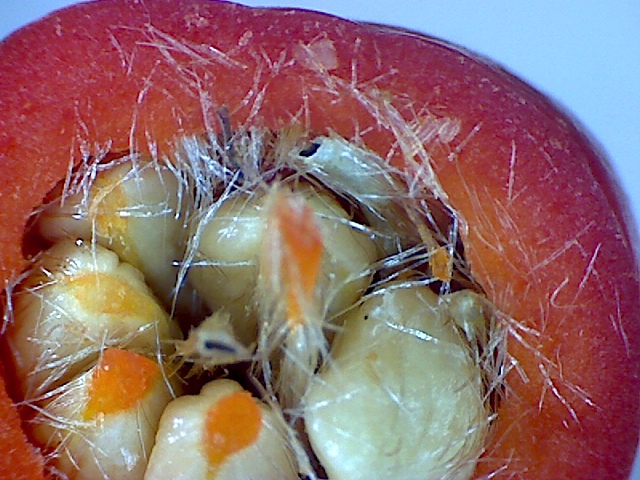
The birds love the seeds but we must make sure that they are removed from all edible products. As my photo shows, they are covered in fine hairs which are an irritant to the skin and internally cause digestive problems. The old Ministry of Food recipe from the 1940s calls for careful straining and can be found at http://www.makeitandmendit.com/a-wartime-recipe-for-rosehip-syrup/

frame0

IMG_7994

Starboard

IMG_7916

Two metres of a  green painted lateral channel marker has been washed up at N 50˚47.143″ x W 001˚24.449″ (20 feet from the Egg). These posts are made from boughs of willow driven into the mud to mark the starboard edge of the winding navigable water. I found a further shorter section upriver, as well as a fragment of green painted bark around 100 metres from the main section of post. Erosion, accidental knocks and wood  rot play their part in the ever changing changing shape of the local scene.

IMG_7929

IMG_7921