This carapace (top bit of the body) of a spider crab could have inspired the creation of an adversary for Doctor Who or a bit part character from a galaxy far away in Star Wars. I found it on an everyday shore line at N 50.46.960 W 001.23.916 on the extreme edge of the Outer Bank.
Category Archives for Fauna
Redbreast
A pair of robins are following me all the time around the Bofors Gun emplacement. As I fuss about rearranging bags of charcoal, bottles of paraffin and meths stored there, they pick up the insects and seeds unwittingly disturbed and dislodged. It’s an unusual symbiotic relationship where the redbreast gives us huge pleasure and we in turn help enrich its diet. I am sure it would not take long for them to feed from my hand.
What a poorer place it would be without these commonplace creatures that are such a feature of the ordinary culture of our isles. It was magical at seven o’clock this morning, to sit with a cup of tea in the thicket, listening to all the calls and songs.
Soldiering On
A very lethargic soldier beetle was drawn into the egg yesterday night by the light of my lap top monitor were it sat for a while before scooting off. Today I found it resting on the back of a drawing board , just above the crescent moon. There are over 50 varieties of this creature that make their homes in the UK and got their name from a red backed variety that looked like a red coat (soldier). I am not sure which this is, but presumably it likes damp marsh environs.
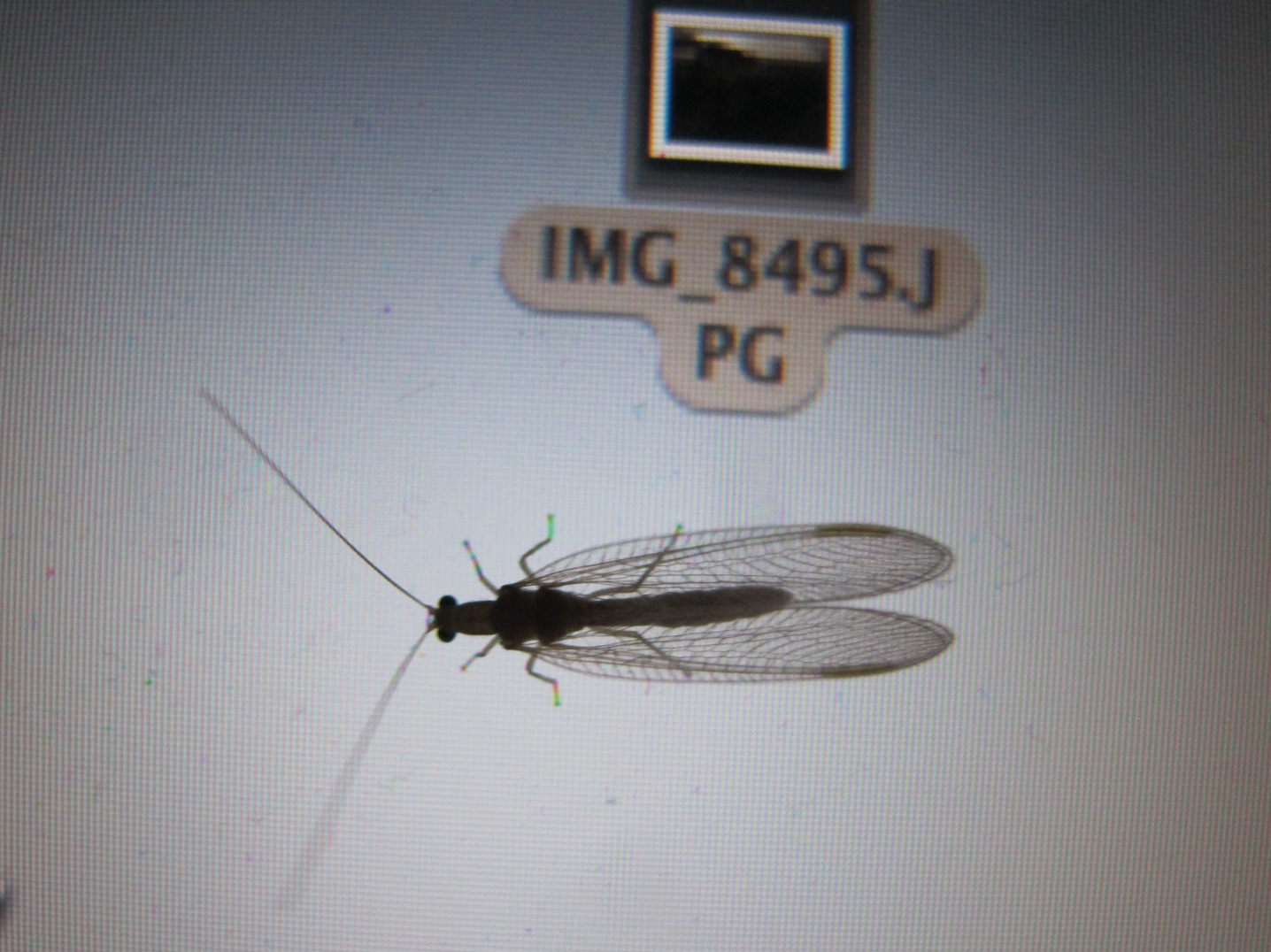
My lap top screen is a frequent abode for night creatures and the lacewing below has just come in, looking for a place to hibernate for the winter. More worrying was the critter that got beneath the screen and was wondering about in pixel land a few weeks ago.
Please note that this post was prepared on November 5th and is posted late due to a lack of power in the Egg.
Fly Fishing
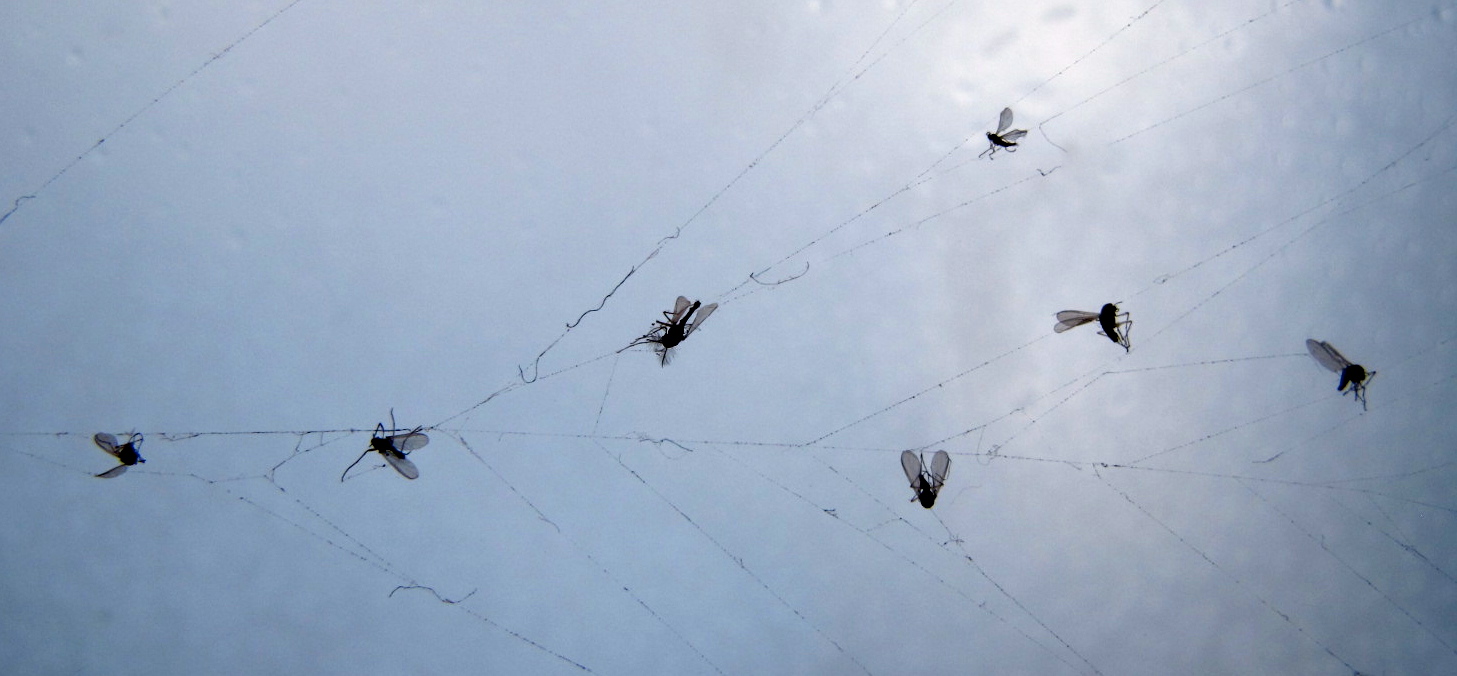
Spiders are attempting to make a home beside me inside the Egg. While I have been considering whether I should catch a mullet at high water, they have cast their own very fine nets to snare tiny flies around the edges of my sky light. They are keeping well hidden though, and I only see their finely spun lines against the sky. I look forward to saying hello.
Gall Harvest
A small oak opposite the egg has a rich crop of galls to harvest. I will use them to make a dye for my clothing and to create an ink for drawing as the first step toward understanding the cultural and environmental importance of the tree in this particular riverscape.
Flying Saucers
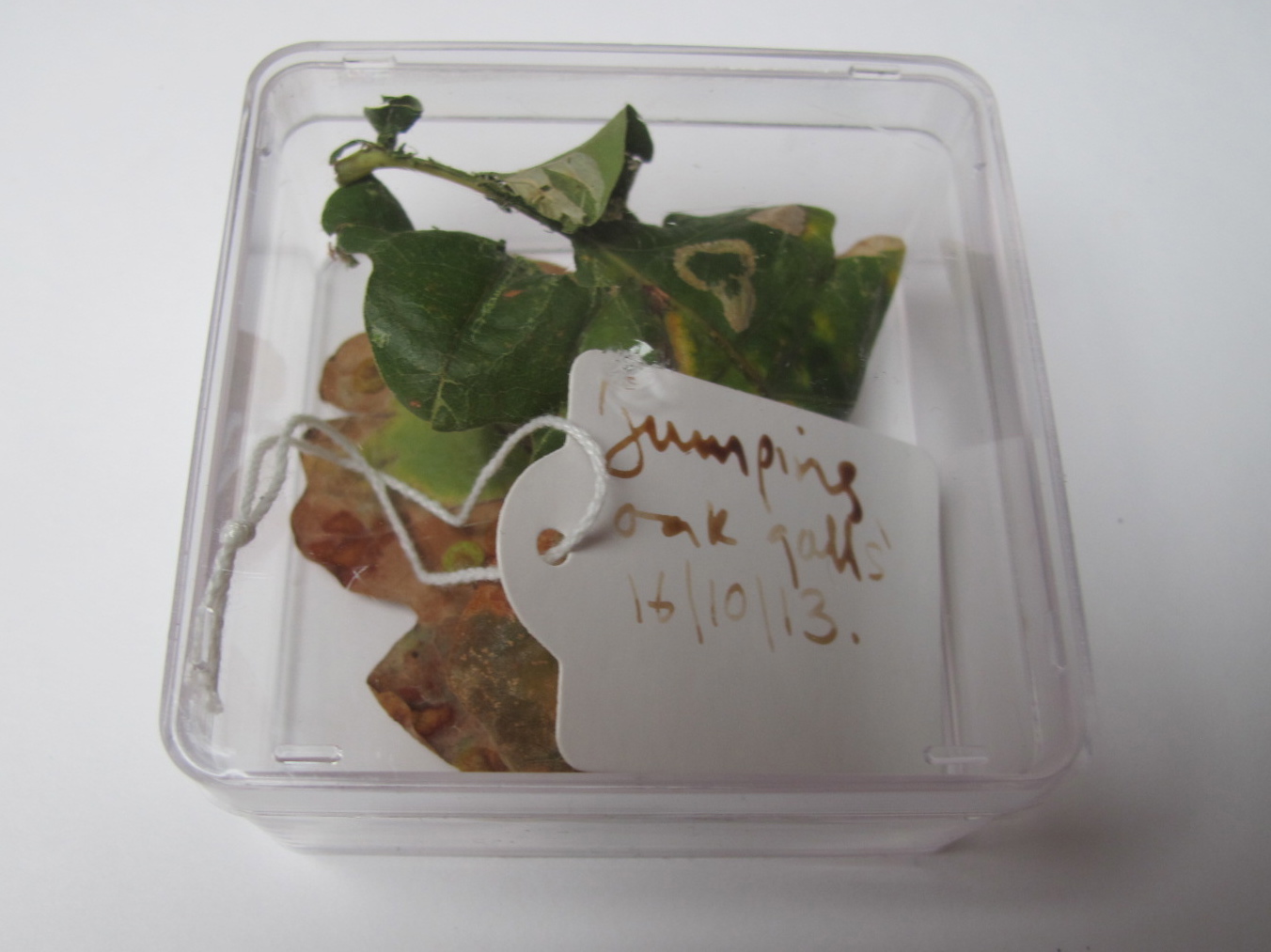
Rock and roll is today’s soundtrack as the Egg is pushed and tugged by cool blustery winds. I am tucked up inside, drawing an oak leaf with clusters of small circular raised discs on the underside that look like tiny flying saucers. The internet informs me that these are ‘jumping oak galls’ (or spangle galls) and each one has the larva of a small stingless wasp tucked up inside too. They usually detach themselves from the leaf and jump like mexican jumping beans upon hitting the ground – just a few centimetres to carry them off into leaf litter where they pupate. I am folding my leaf into a small specimen container in case I can observe an emerging wasp next April.
Inside the Battery Box
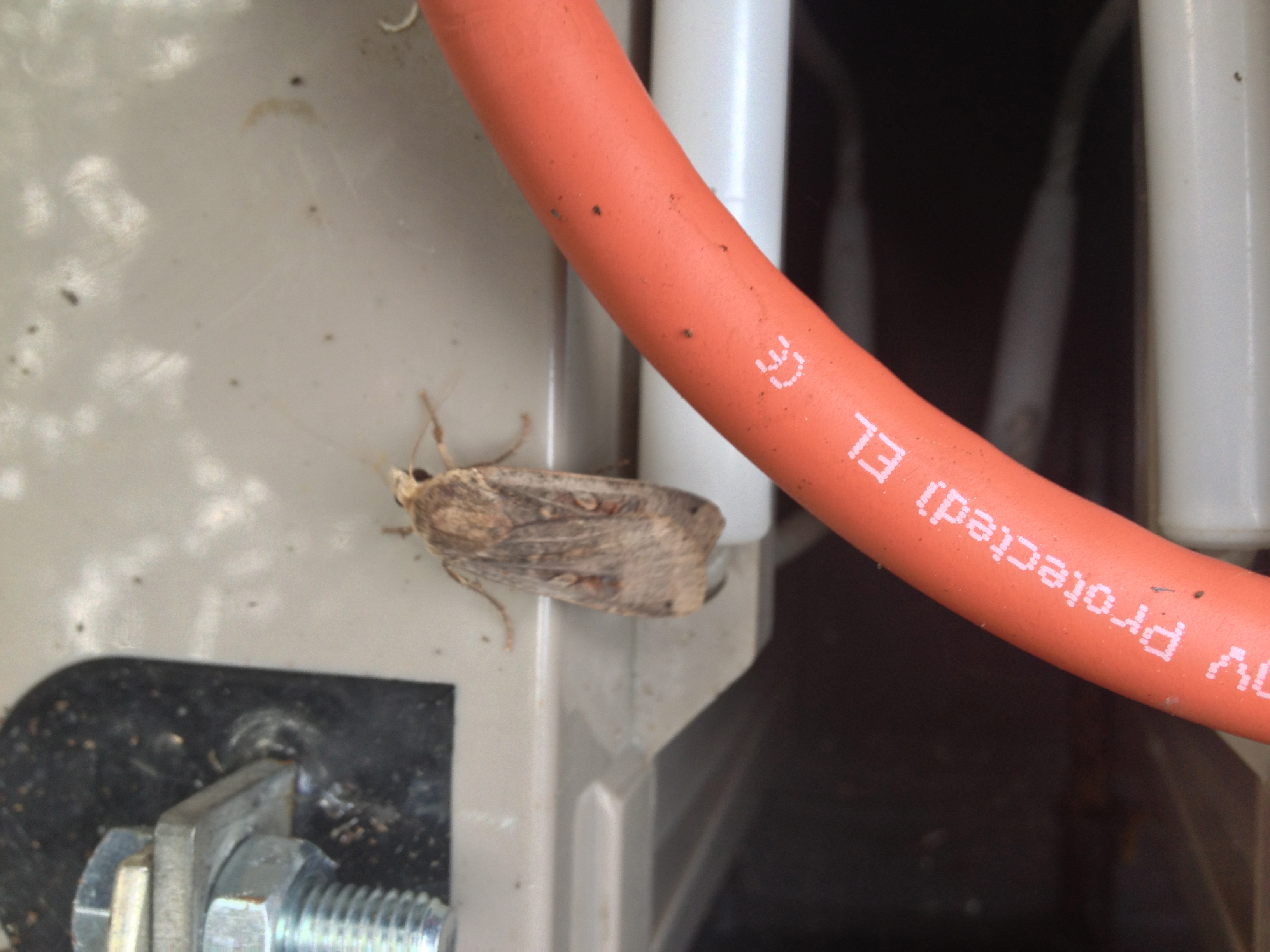
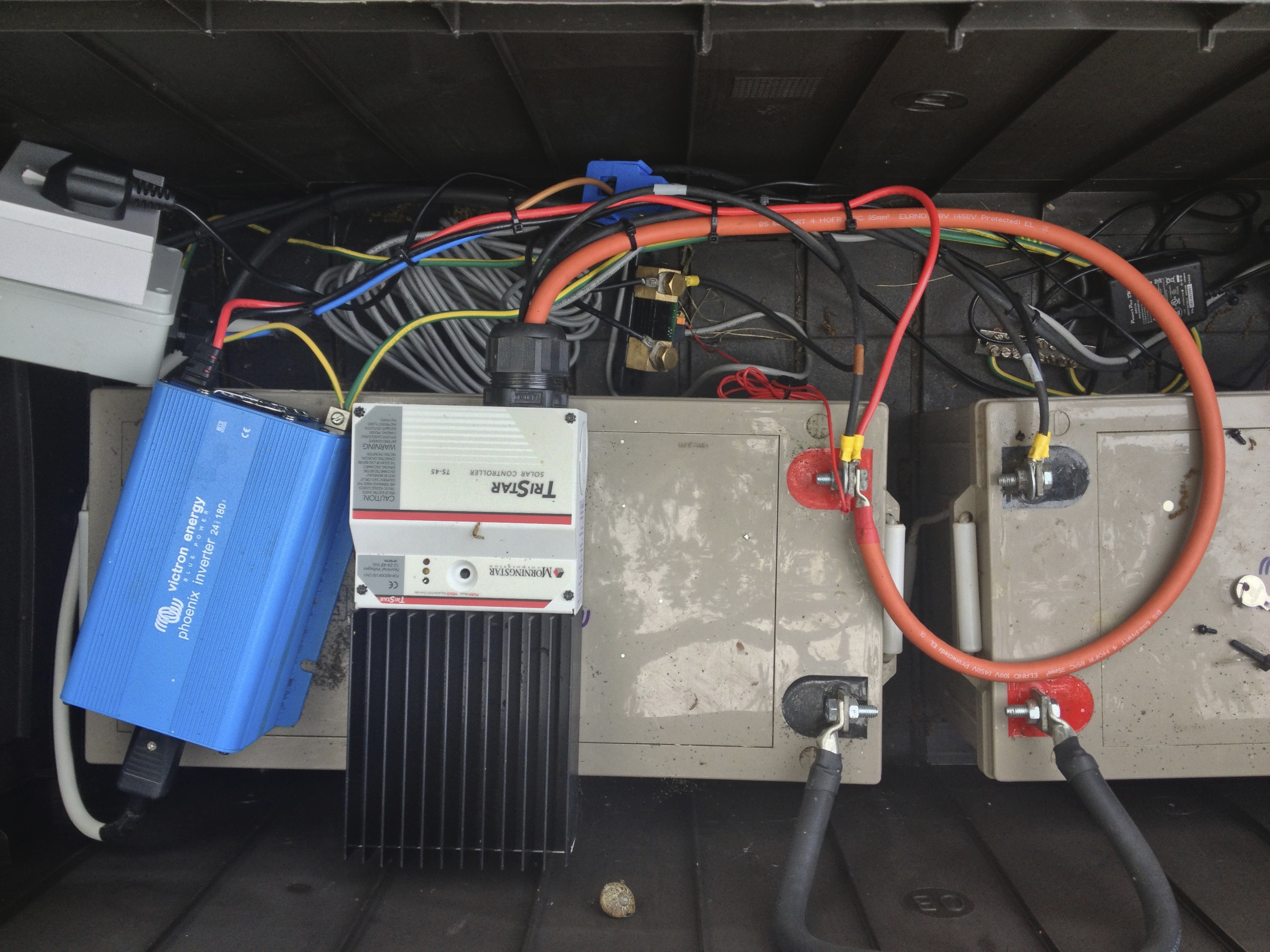
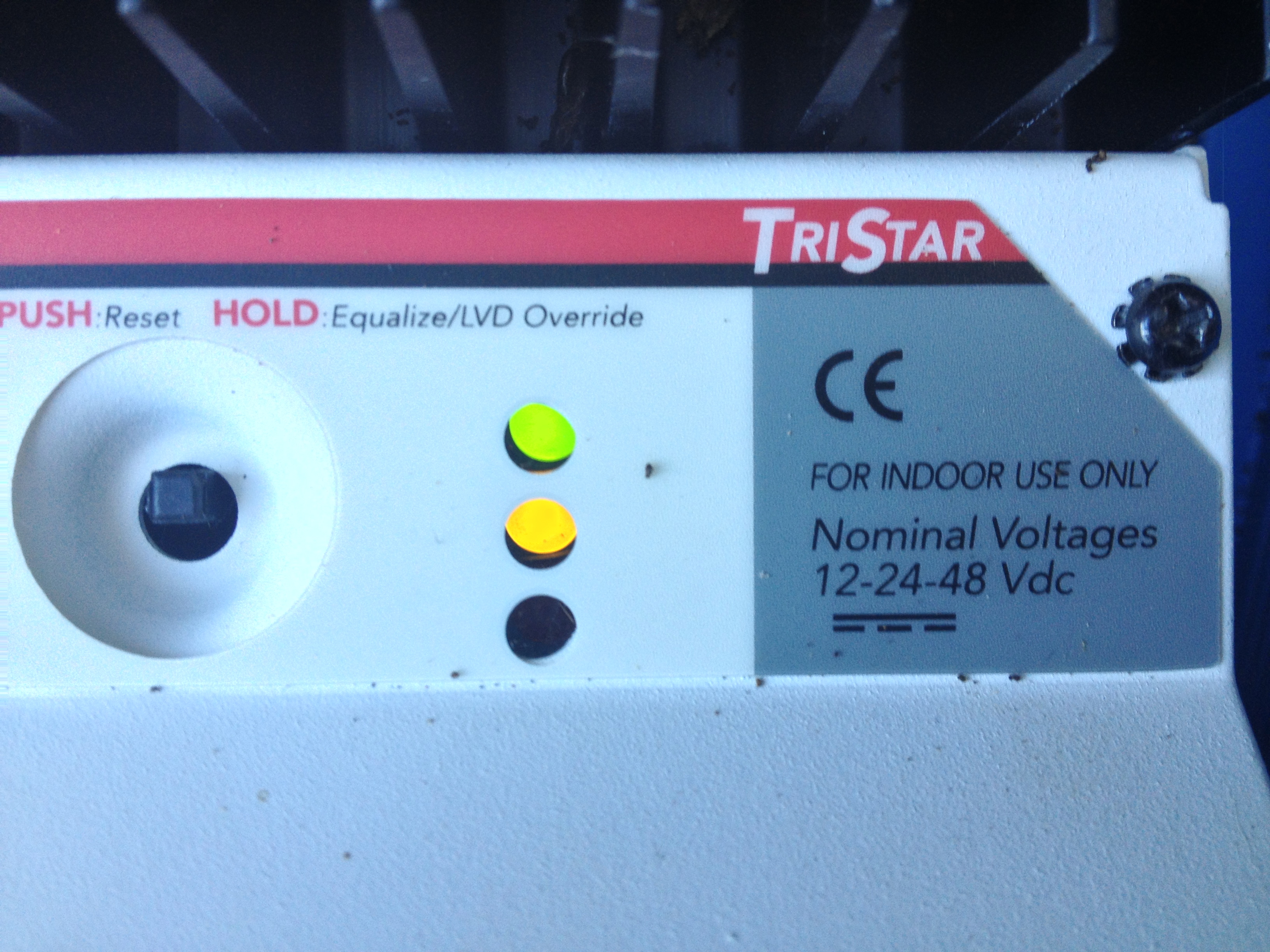
The yellow underwing (Noctua Pronuba) is abundant in Hampshire and enjoys a wide range of habitats from garden to grassland, to moorland and wood – this one appeared to be assessing the interior of my battery box as a new home. I found him after a power cut, when I went to check on the flow of energy from the solar array to the two large batteries deployed to store it. As hours in the sun are increasingly outweighed by those in darkness, I sense I will need to really eke out the flow of electrons
Fish Tales
Brent Geese
Tibellus Maritimus
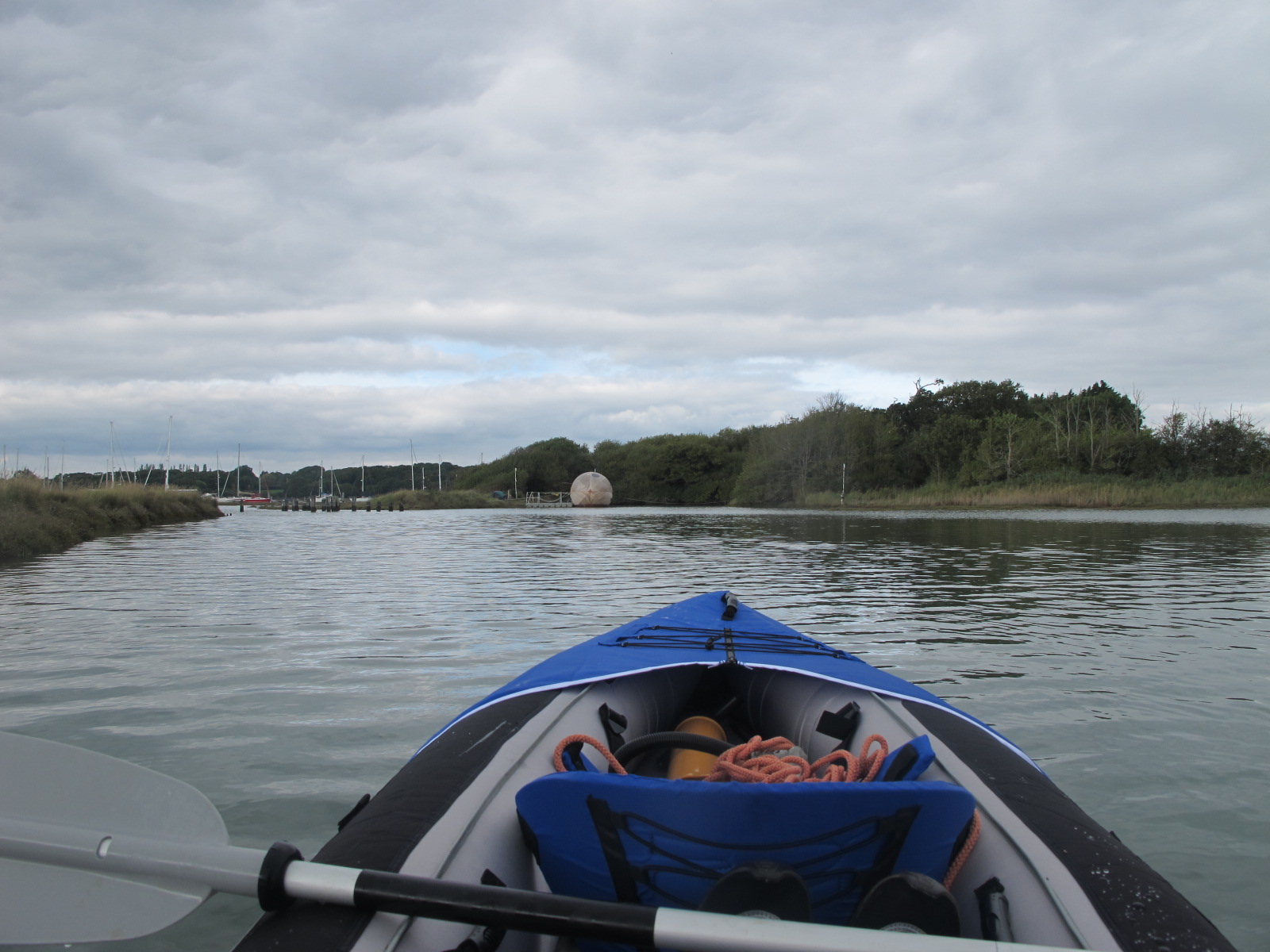
The arrival of an inflatable kayak has allowed preparations to begin for exploring the wider bounds of the Beadle’s Parish. On washing down the craft after its first trial on the water I discovered a hitch hiking spider associated with these wetlands in the passenger seat- tibellus maritimus. These elegantly slender spiders do not weave webs, but hunt their prey in the long grasses of their salt marsh home.