Gall Harvest

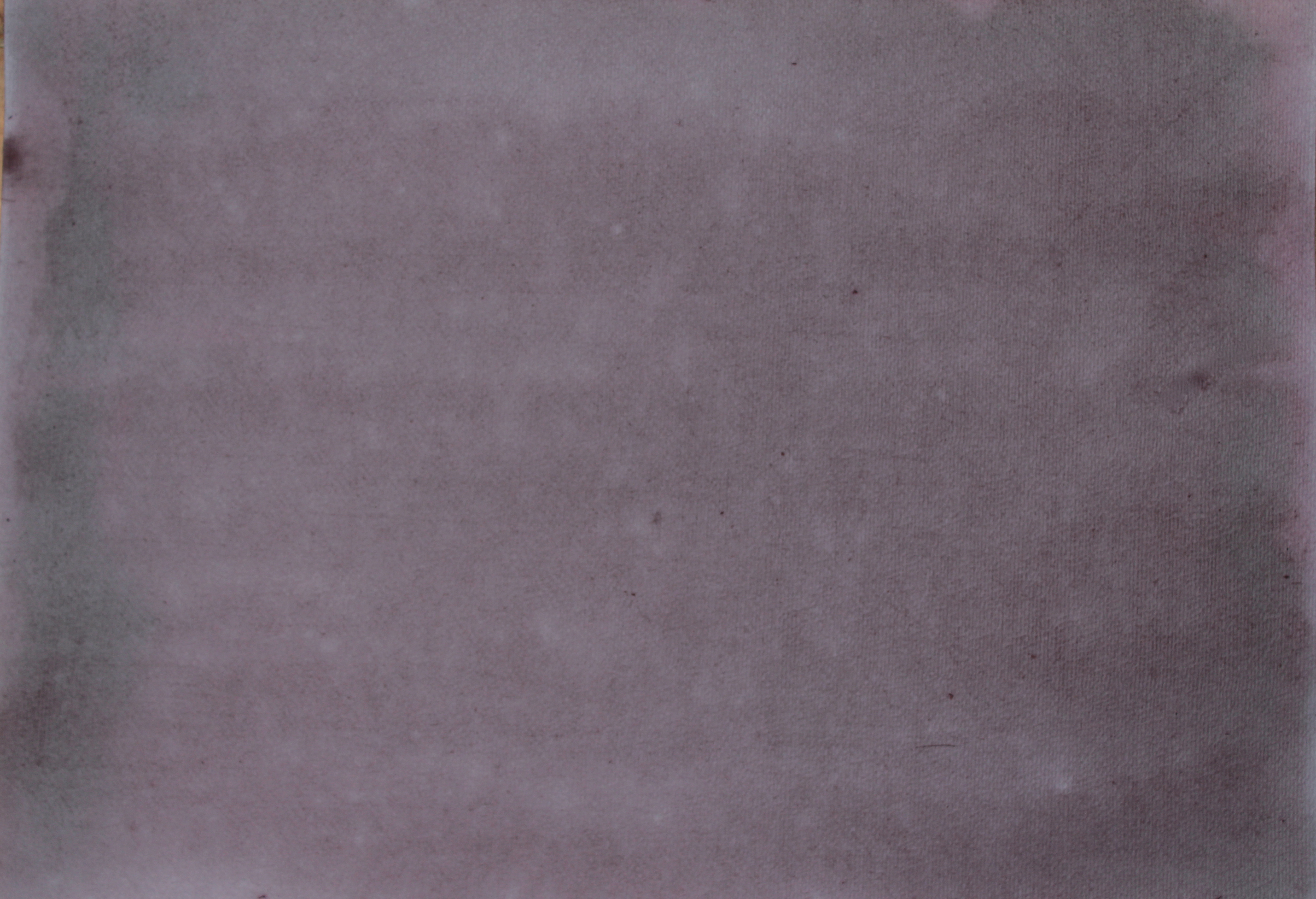
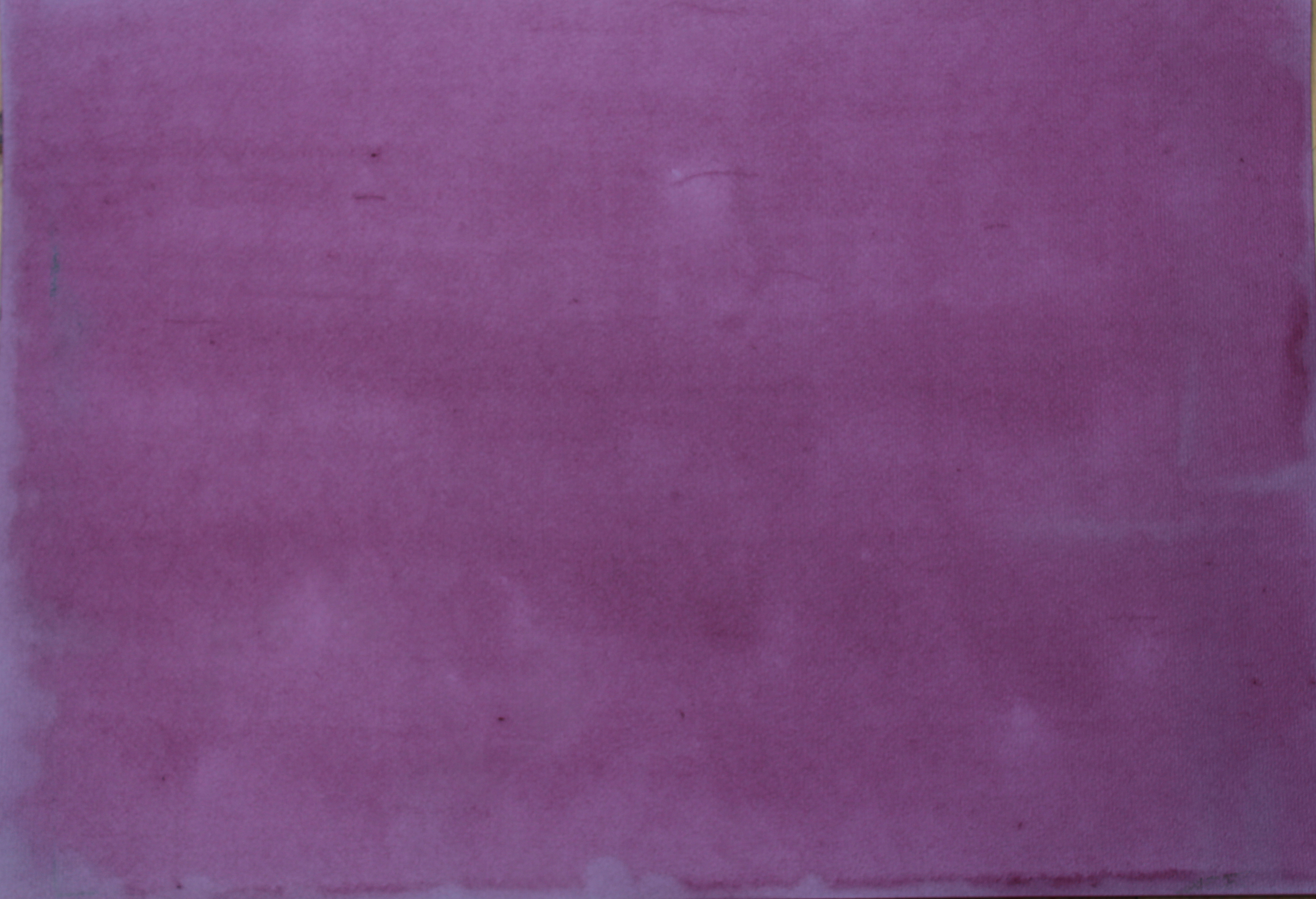
A small oak opposite the egg has a rich crop of galls to harvest. I will use them to make a dye for my clothing and to create an ink for drawing as the first step toward understanding the cultural and environmental importance of the tree in this particular riverscape.

Oaks can have many different species of gall growing on a single tree. These were made by the species of parasitic wasp andricus kollari and resemble marbles in size and shape.

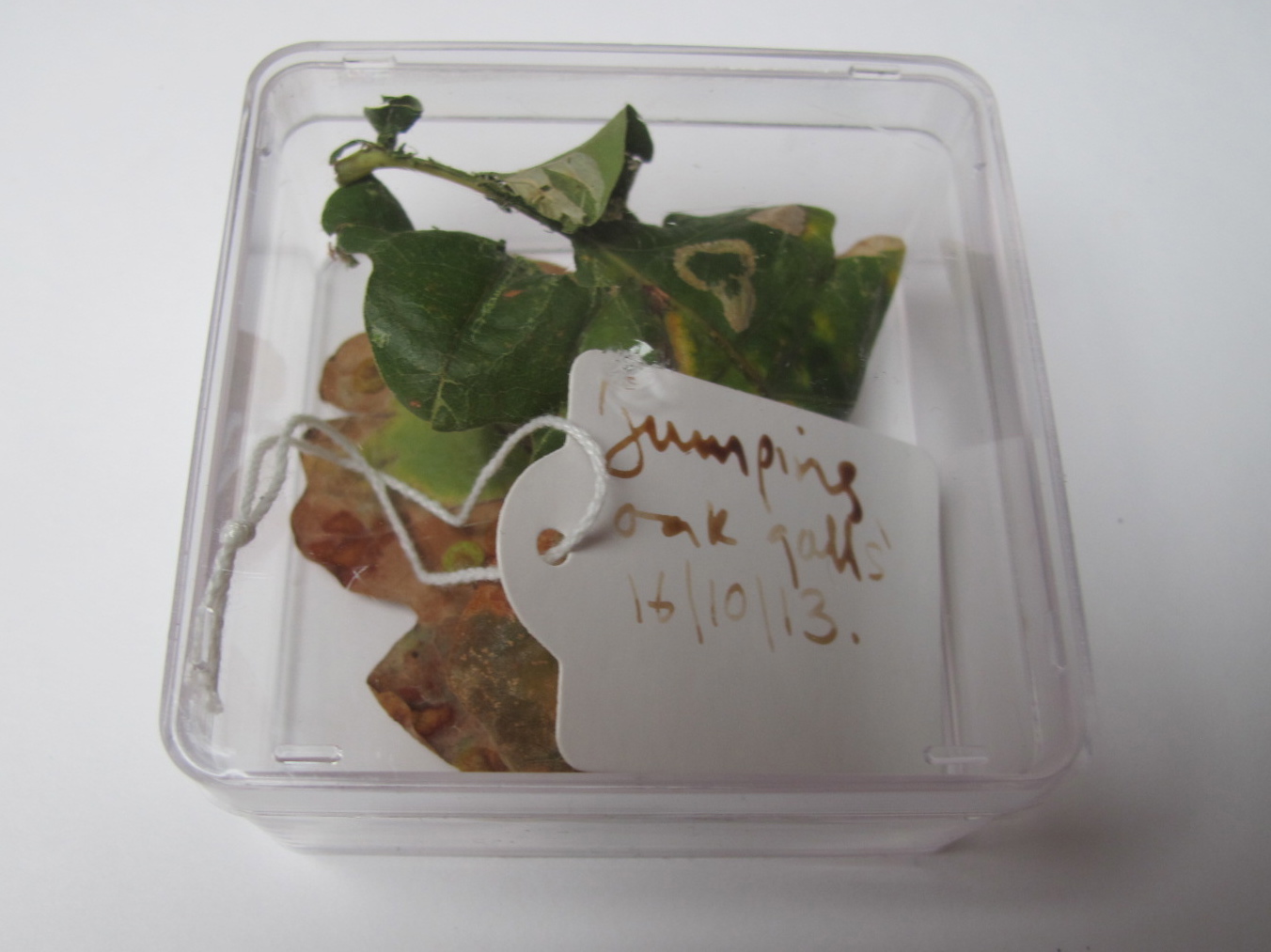
Oaks can have many different species of gall growing on a single tree. These were made by the species of parasitic wasp andricus kollari and resemble marbles in size and shape.

Flying Saucers

IMG_8229

Rock and roll is today’s soundtrack as the Egg is pushed and tugged by cool blustery winds. I am tucked up inside, drawing an oak leaf with clusters of small circular raised discs on the underside that look like tiny flying saucers. The internet informs me that these are ‘jumping oak galls’ (or spangle galls) and each one has the larva of a small stingless wasp tucked up inside too. They usually detach themselves from the leaf and jump like mexican jumping beans upon hitting the ground – just a few centimetres to carry them off into leaf litter where they pupate. I am folding my leaf into a small specimen container in case I can observe an emerging wasp next April.

IMG_8238

Spangle galls at 200 times magnification.

Spangle galls at 200 times magnification.

Mint Sauce

spearmint

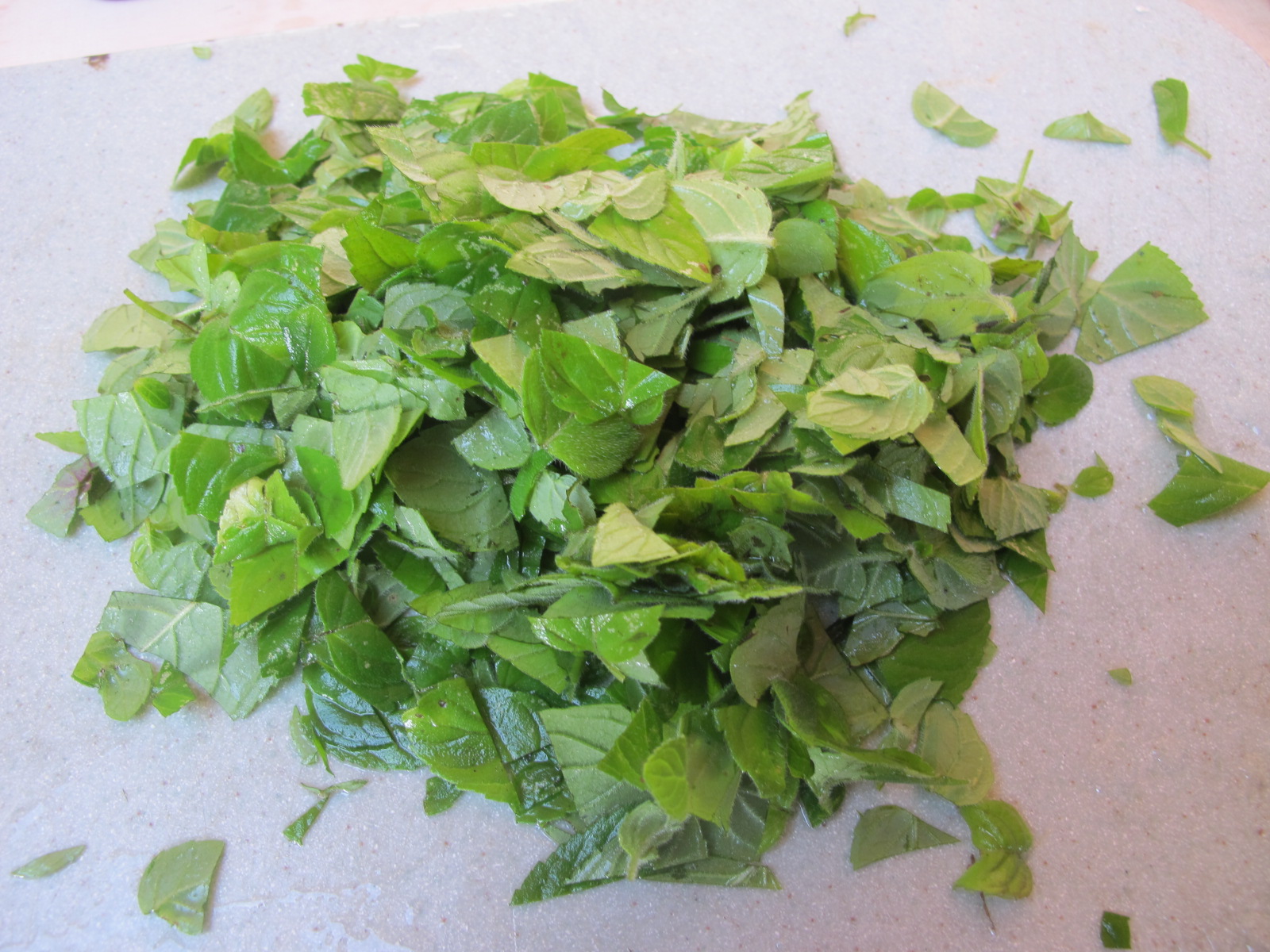
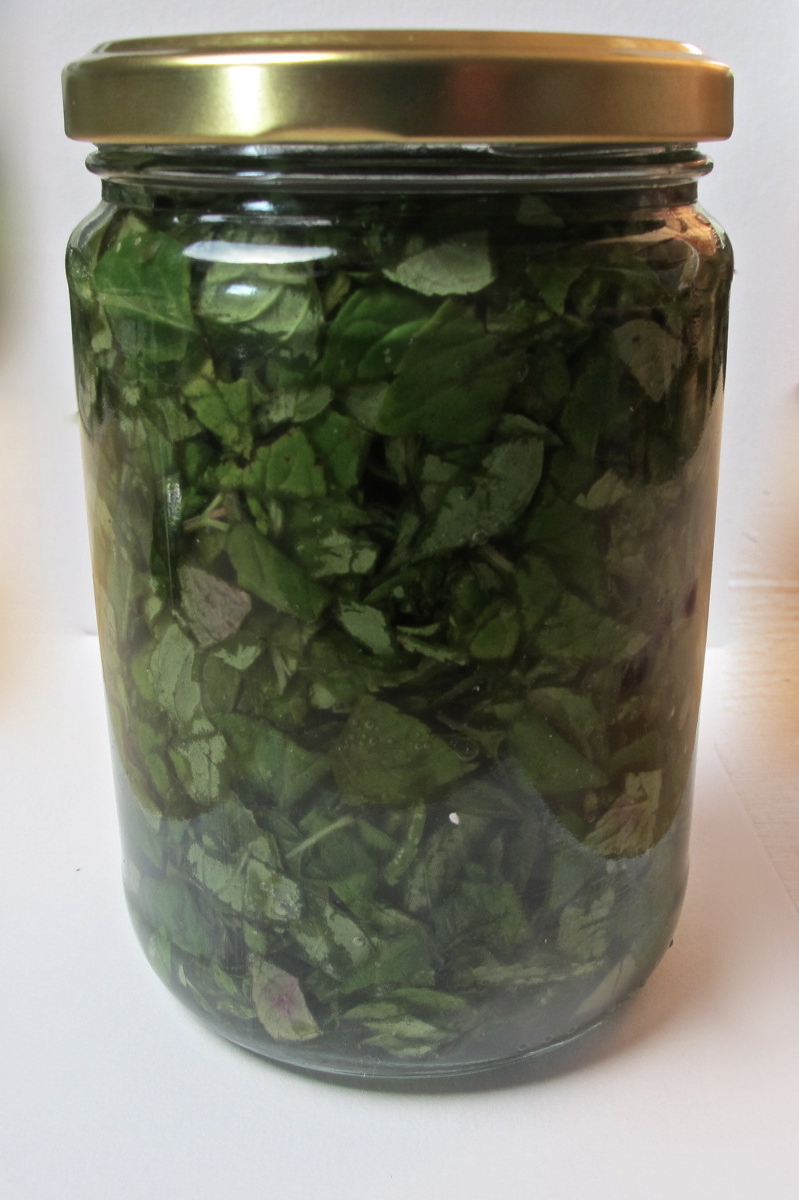
Sauce from freshly cut late flowering mint was prepared and bottled for the Exbury Egg Kitchen. Leaves were washed, chopped and added to water, salt, white wine vinegar and caster sugar in the following proportion: 1 bunch of mint , 1 pinch of salt, 4 tablespoons of boiling water, 4 tablespoons of white wine vinegar, 1 level tablespoon of caster sugar. It was a relaxing task after doing the laundry on this warm autumnal afternoon beside the river.

IMG_8204 IMG_8205

IMG_8211

Hips

IMG_7450

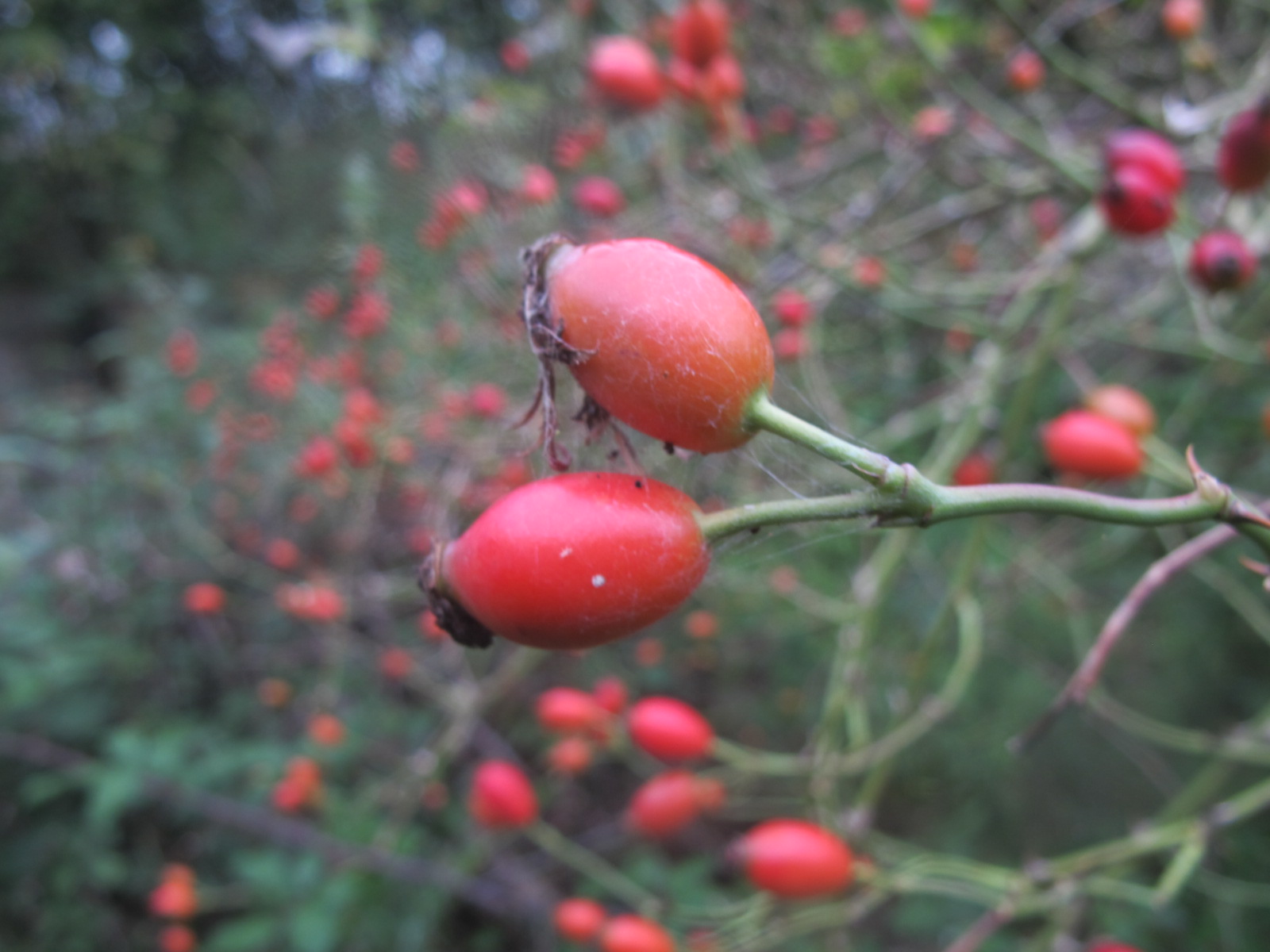
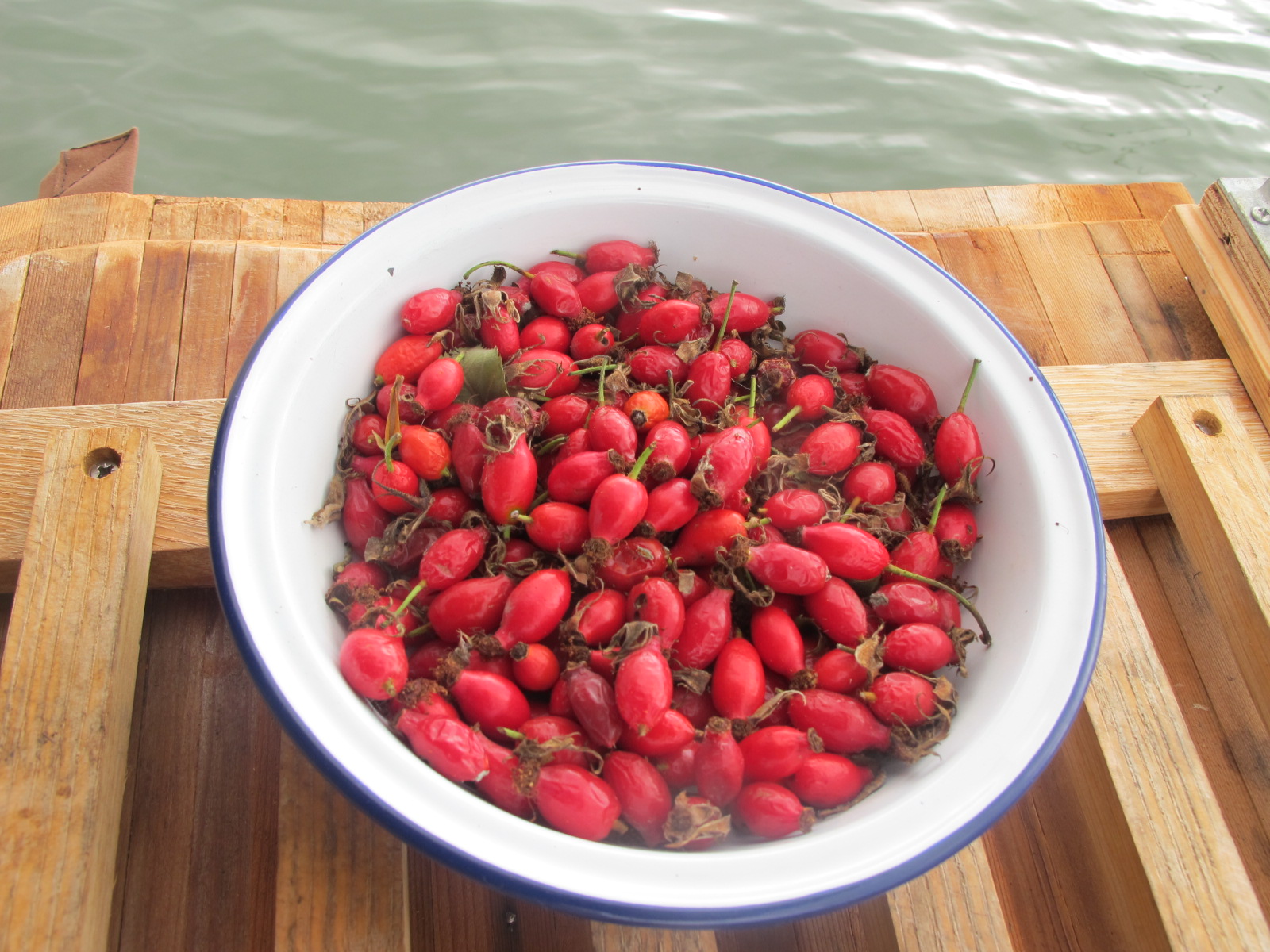
I have begun to collect hips in order to make rose hip syrup for the Egg kitchen. There are abundant fruits on the thorny stems of dog rose mixed in with Blackthorn and Blackberry that surround a nearby anti-aircraft gun emplacement dating from the last war. During the Second World War such local bushes were sought out for their hips as part of a national scheme to produce rose hip syrup, which is 20% richer in vitamin C (by weight) than oranges. Fresh fruit was in short supply due to the disruption of trade by sea.

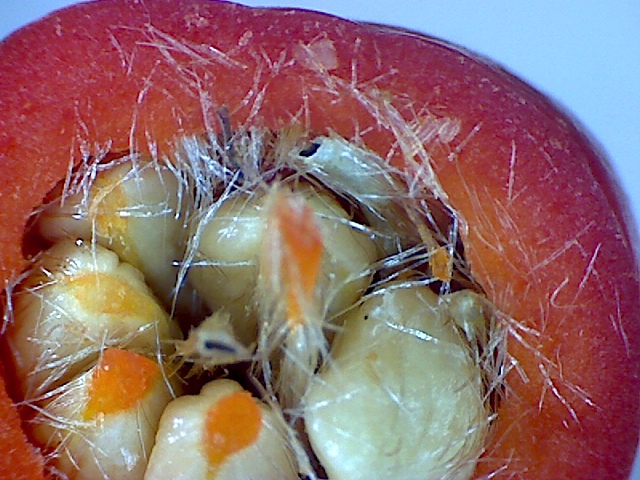
The birds love the seeds but we must make sure that they are removed from all edible products. As my photo shows, they are covered in fine hairs which are an irritant to the skin and internally cause digestive problems. The old Ministry of Food recipe from the 1940s calls for careful straining and can be found at http://www.makeitandmendit.com/a-wartime-recipe-for-rosehip-syrup/

frame0

IMG_7994

Some Tide Lines

IMG_7826

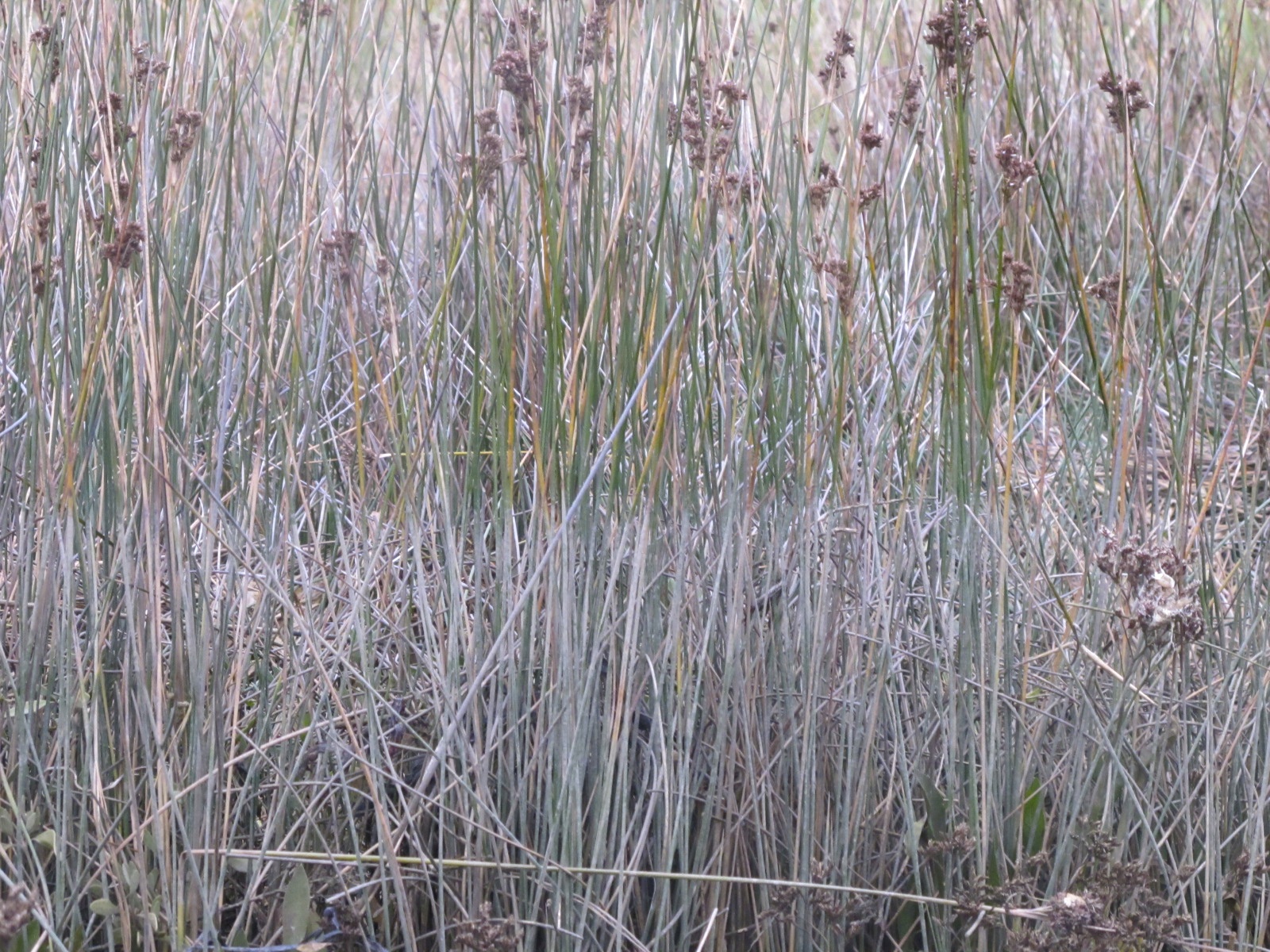
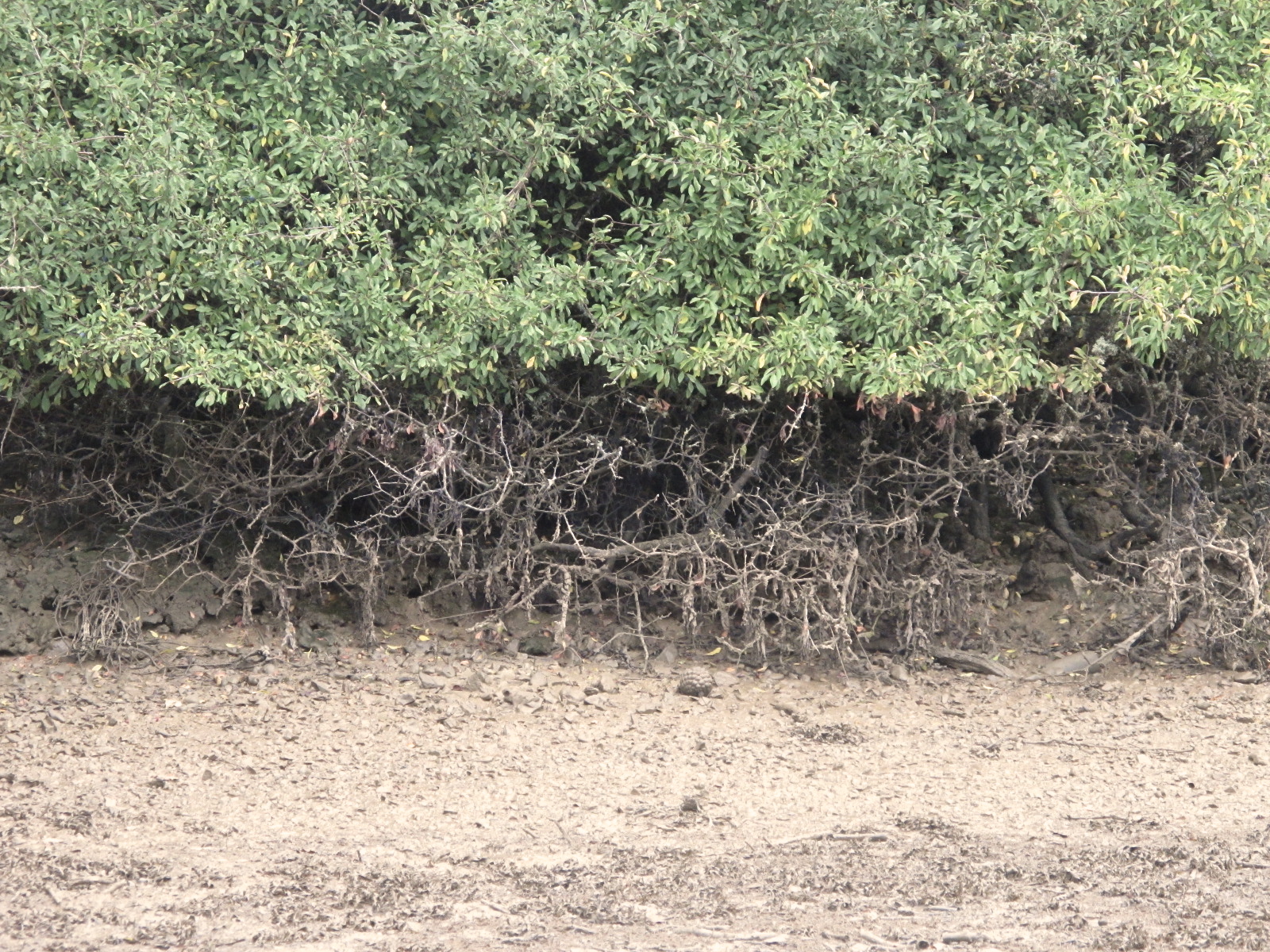
The water of the Beaulieu River etches its own tide lines into its enclosing banks of flora;  the stems of the grasses have a fine coating of alluvial clay whilst the leaf line on the blackthorn is also clearly drawn by saline stream.

IMG_7845

Quartet

IMG_7799 IMG_7806

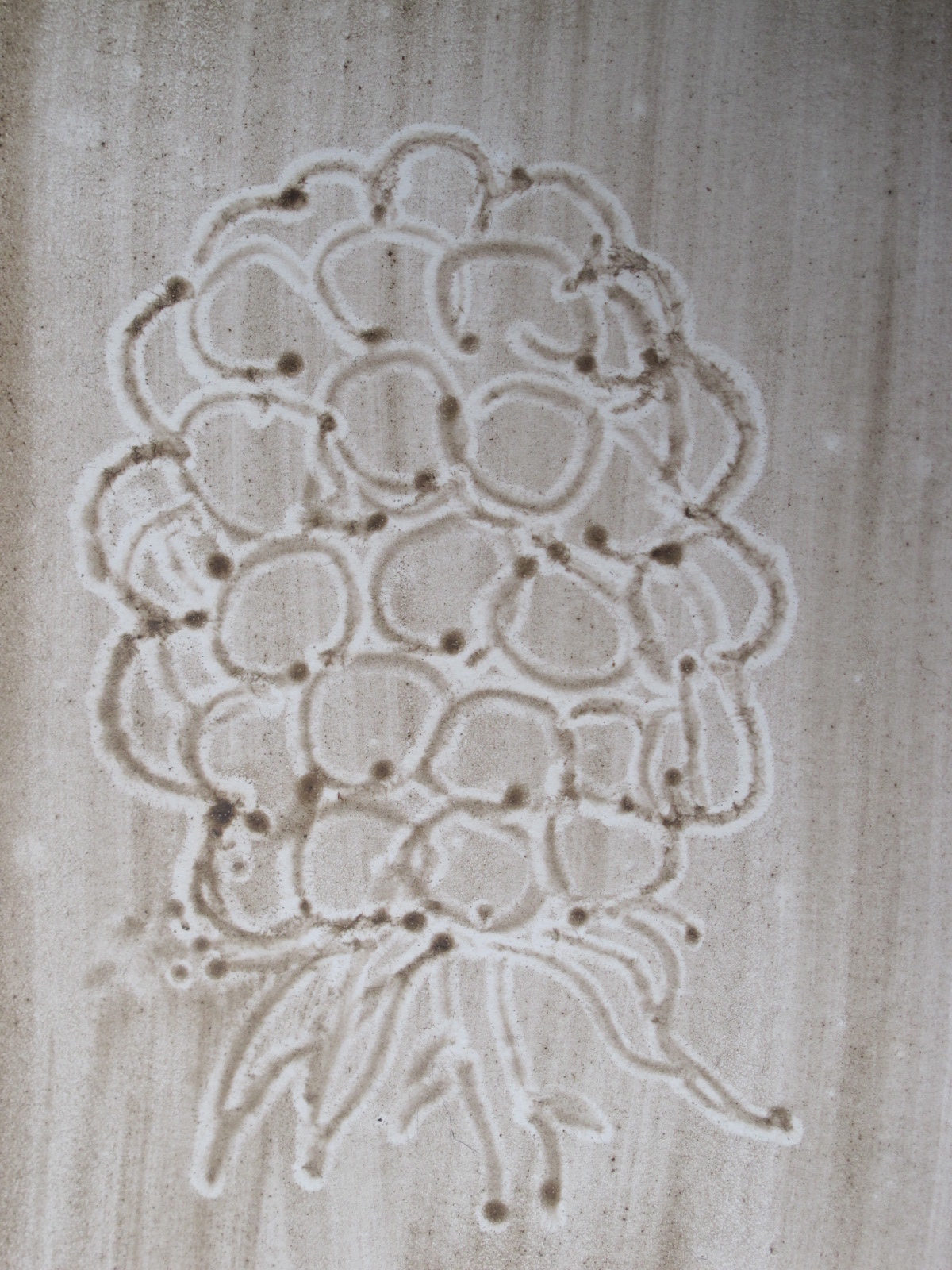
Individual blackberries collected from around the Egg were drawn by scraping through an ink wash created from their own juices.  Twenty preserved berries (suspended in methanol) have been rendered in this way and a random quartet are here chosen to represent the group.

IMG_7802 IMG_7803

Mint Tea

IMG_7711

Mint growing wild just 83 feet from the Egg, provided leaves to flavour the potatoes I had for supper yesterday and today’s digestive tea. It has the distinct flavour of spearmint and I have dried a small amount for future use.

IMG_7668

Exbury Egg Preserves

IMG_7526 IMG_7515

The Exbury Egg preserves the fruits of its research in glass jars and vitrines, suspended in a 70% magenta tinted methanol solution; drawing out the red of unripe blackberries from the continuing abundance of my crop at N 50˚47.142′  001˚24.450′.

IMG_7517IMG_7524

Commas

IMG_7404 (1)

An interval for maintenance has been completed and the narrative of life at the Exbury Egg can be continued. There is a hint of Autumn about the still sunny days and sugary juice from fermenting blackberries is providing food for wasps and a host Comma butterflies before their hibernation.

Known as Commas because of the distinctive silver shape on the underside of their rear wing, they are currently punctuating the fruity surface of the blackberry bushes with their raggedy edged orange and black topped wings.

IMG_7395

Blackberry Reds

IMG_7890 IMG_7892

I washed dyes extracted from the juice of blackberries onto paper boards. The brighter hue is made from pure blackberry and is very fugitive. In a few moths it will fade to a pale washed out blue. The darker colour was created with the addition of lye, which according to the seventeenth century botanist Culpepper made a permanent black for colouring the hair. I enjoy the reciprocity between their relative warmth and degree of transience.